Choline chloride is a feed additive that supplies choline, a vitamin-like nutrient animals need every day. The body uses choline to build cell membranes, support nerve signals, and manage fat metabolism. The biggest value sits in the liver. Choline helps move fat out of the liver so it does not build up and slow performance.
Many farms add choline chloride because animals often cannot make enough choline during fast growth, stress, or high production. A steady supply supports stable results across batches.
For a full technical overview, check this choline chloride animal feed guide and the expanded choline chloride for animal feed guide.

Modern production pushes high energy and fast gains. Those diets raise demand for nutrients that support fat use and liver work. Choline sits in the middle of that system. If choline drops too low, the liver struggles to export fat. Performance can fall even if protein and energy look fine on paper.
Feed programs also rely on balanced amino acids. Choline does not replace amino acids, but it supports how the body uses nutrients. When a farm improves amino acid balance, the animal may also need stronger liver support to keep metabolism smooth.
Many buyers build a full additive plan that includes both choline and amino acids. This helps keep feed stable across seasons and raw material changes. A useful reference is this essential amino acids for animal nutrition page and the overview of amino acids feed additives.
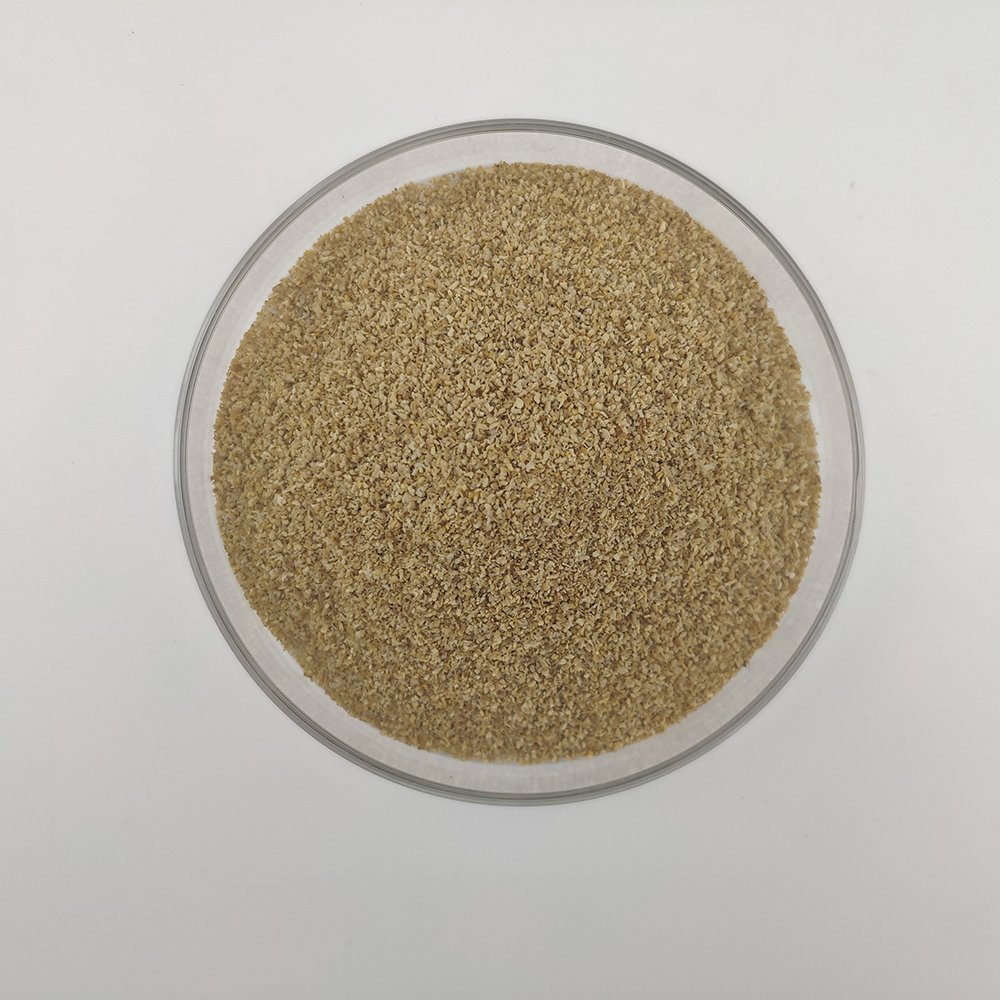
Poultry is the largest market for choline chloride. Broilers need strong growth and good feed conversion. Layers need steady egg output and stable liver function. In both cases, choline helps fat move in the right direction and supports consistent flock performance.
Common goals in poultry include:
Many feed mills add choline chloride through a premix so every bag stays consistent. For poultry-specific details, use choline chloride benefits in poultry and compare targets with the broiler grower matrix.

Swine operations use choline chloride to support both growth and reproduction. In grower pigs, the focus stays on efficient weight gain and stable feed intake. In sows, the focus shifts to reproduction, milk output, and piglet vitality.
Swine farms often look for:
Choline chloride can fit most swine premixes and works alongside core amino acid plans. Buyers usually check blending flow, moisture risk, and storage rules because choline chloride can pull water from the air.
For more swine context, review feed additives for swine and align the program with amino acid requirements for swine.
Choline chloride also shows up outside poultry and swine. In ruminants, feed teams focus on fat metabolism support during high-energy feeding. Many buyers add it in dairy or finishing programs where energy density climbs. Results depend on the full ration design and farm goals.
Aquaculture diets can include choline sources to support growth and body development, especially in young stock. Pet food uses choline sources as part of balanced nutrition formulas, but the inclusion approach differs by species and brand positioning.
These markets often require tighter documentation because formulas may target export rules. Buyers should ask for COA, traceability, and carrier details. Helpful reading includes feed additives in cattle and a broader view from understanding the animal nutrition supplements.
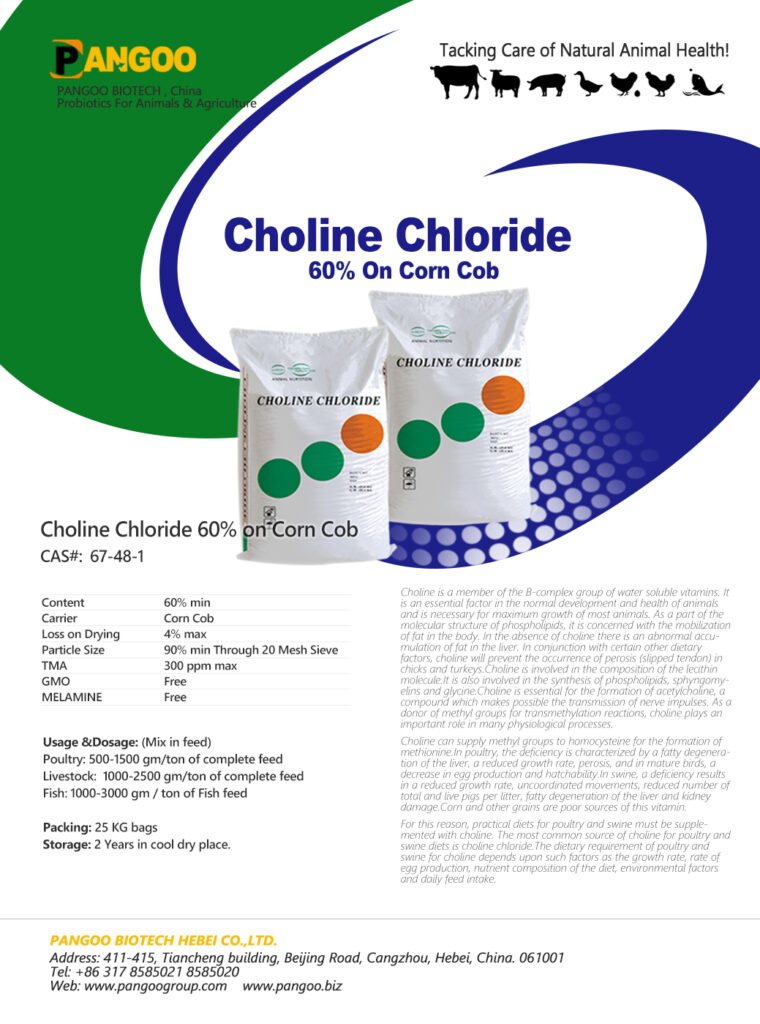
Choline deficiency does not always look dramatic on day one. It often shows up as slow performance loss that costs money over time. You may see weaker gains, poorer feed efficiency, or more uneven results across a flock or group.
Common risk areas include:
In poultry, deficiency can raise the risk of fatty liver problems and poor performance. In swine, it can reduce reproductive results and slow piglet growth. In B2B sourcing, this matters because buyers want additives that help keep production stable, not just “good on paper.”
For a practical overview of benefits tied to performance, see choline chloride benefits and the detailed choline chloride uses in animals guide.
Most feed buyers follow local standards, breeder advice, and a nutritionist plan. Choline chloride is common in premixes because it helps keep mixing accurate at scale. Many commercial programs also follow regulator guidance for safe use at normal levels.
Safe use depends on:
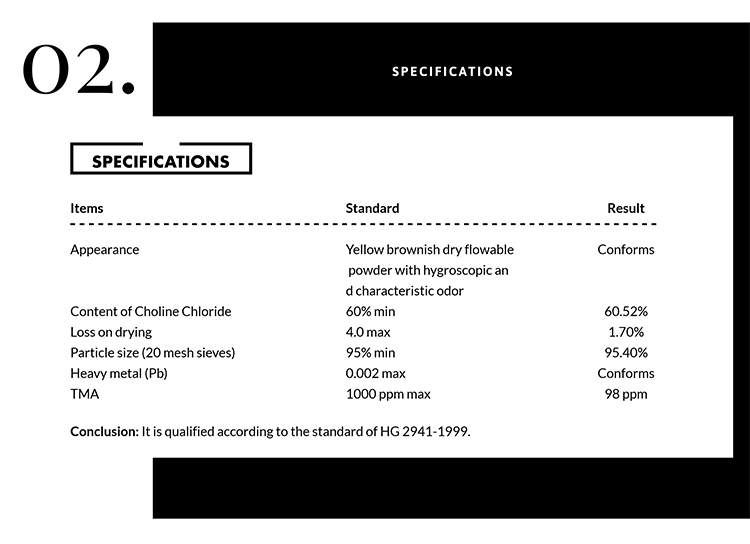
Bulk buyers should focus on product stability and documentation, not only price. A consistent assay and clean COA reduce batch-to-batch risk. For product and format details, use choline chloride 60 feed grade and confirm handling rules with the MSDS documents.
Choline chloride supports performance at correct levels, but overuse can trigger digestive stress and wasted cost. Most problems happen from premix errors, poor dosing control, or bad storage that changes product flow. Good mills reduce risk through clean SOPs and clear batch records.
Key handling risks include:
Smart buyers request proper packaging, clear labeling, and storage advice. They also confirm shelf-life plans for long shipping routes. A practical reference for storage planning is amino acid storage and shelf life plus safety handling from MSDS.
Feed efficiency drives profit in most livestock systems. Choline chloride can support better nutrient use by helping the body handle fat metabolism and liver load. That can translate into stronger daily gain and more stable feed intake, especially in high-performance programs.
Buyers often track value through:
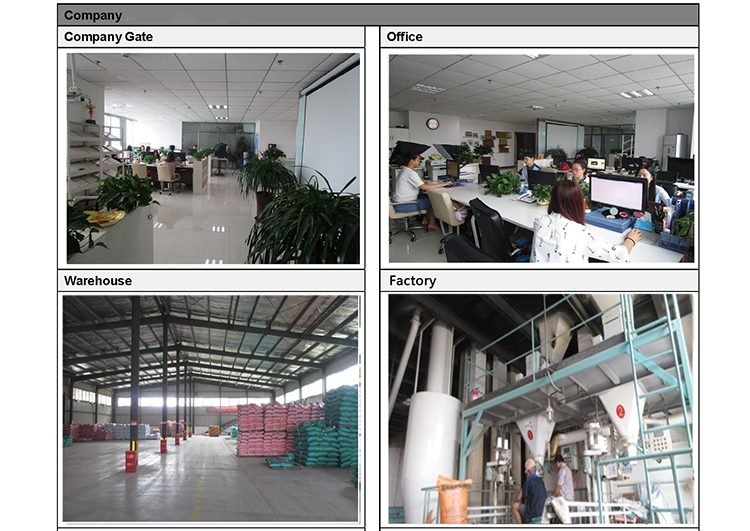
The best ROI appears when product quality stays consistent and mixing stays accurate. This is why many international buyers work with a proven producer that can ship stable batches on schedule. For sourcing context, explore bulk feed additives manufacturer in China and check commercial details in bulk pricing, MOQ, and payment terms.
Choline chloride works well with many common additives used in poultry and swine diets. It fits alongside amino acids, organic acids, and yeast-based products because it targets metabolism support, not protein supply.
Many buyers combine choline chloride with amino acid tools like lysine, methionine, and threonine to tighten feed cost and hit performance goals. This combination makes sense in modern least-cost formulation and export-focused premix programs.
Useful links for formulation planning include amino acid feed formulation guidelines and a product-level view of DL-methionine feed grade specs. Poultry teams can also compare strategy ideas in amino acid blends vs single additives in poultry feed.
Good sourcing starts with proof. Bulk buyers should request documents and test values that match real feed mill needs. The goal is simple: reduce risk before the container ships.
Key checks importers often request:
Quality control also matters for long supply chains. A reliable supplier should explain how they test, how they store, and how they prevent mix-ups. Start with amino acid quality control assay testing and the full feed additive manufacturing process and facilities overview.

Choline chloride needs packaging that protects against moisture during storage and transport. Many feed buyers prefer strong bags and clear sealing because moisture can cause clumping and poor flow in the plant.
Good bulk handling includes:
Importers should also align packaging with local market needs. Some buyers want private-label bags, while others want neutral export bags with full spec labels. You can review documentation support in COA resources and confirm delivery planning through global markets and distributors we serve.
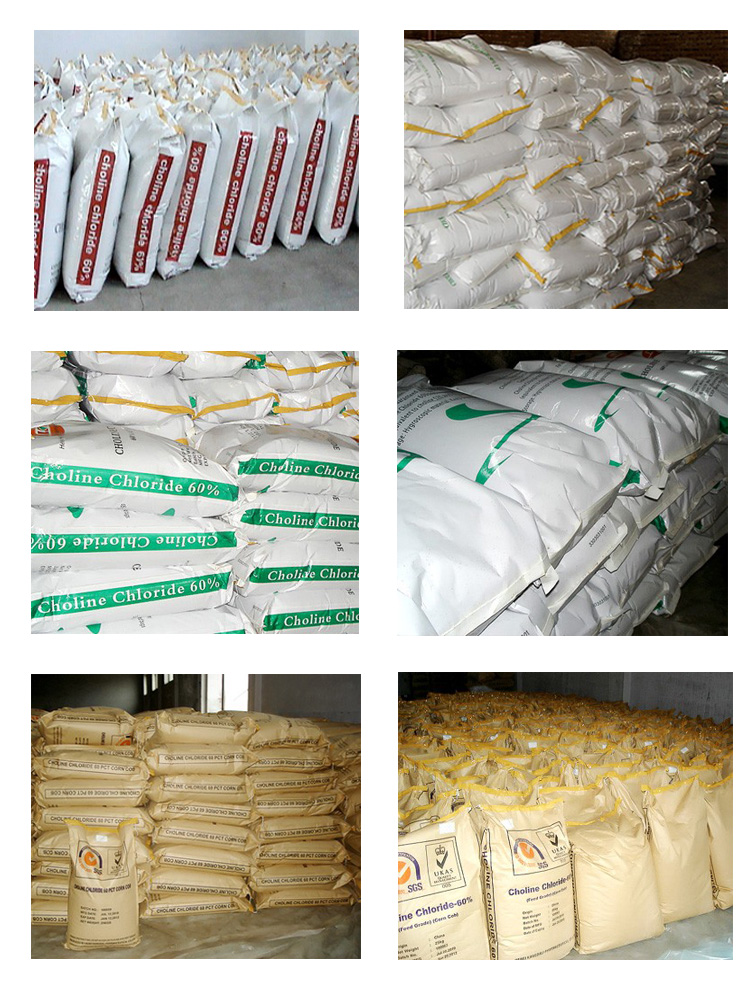
China remains a key source for feed additives because of scale, pricing, and wide export experience. A good supplier does more than quote a low price. They deliver stable batches, clear documents, and fast response when a buyer needs support.
A simple supplier checklist helps:
For deeper guidance, use choosing the best choline chloride supplier and the buyer guide why import feed additives from China. Many importers also like this quick reference: FAQ for international feed additive buyers.
The main choline chloride uses in animals include liver support, fat metabolism control, and feed efficiency improvement. Poultry and swine use it the most because growth speed and production pressure raise choline demand. A deeper explanation is available in choline chloride benefits.
Broilers, layers, grower pigs, and breeding sows often show the clearest value because they run high output targets. Many buyers align choline chloride with production standards like the layer hen standards and chick starter profile.
It usually means the product contains about 60% active choline chloride on a carrier. This format helps handling and mixing in feed mills. Product format details sit on choline chloride 60 feed grade.
No. Choline supports metabolism and liver function. Amino acids build muscle and support growth directly. Many feed teams use both to hit performance and cost goals. See L-lysine feed grade bulk supply and DL-methionine 99% for common pairings.
Most importers request COA, MSDS, and full label and packing details. Many also ask for assay test methods and batch traceability. A good starting point is COA support and MSDS documents.
Buyers reduce risk by checking supplier audits, confirming packing rules, requesting pre-shipment inspection when needed, and locking down lead time terms. Commercial buyers often review bulk pricing, MOQ, and payment terms before they place repeat orders.