| Point | Why it matters for feed mills and importers |
|---|---|
| Ideal amino acid profile | Sets clear lysine-based ratios so each species gets the right balance, not random crude protein. |
| Crude protein reduction | Cuts crude protein 2–5 points while keeping growth, which lowers nitrogen loss 20–30% and saves feed cost. |
| Species-specific targets | Broilers, layers, pigs, dairy cows, shrimp, and fish need very different amino acid patterns. |
| Ingredient choice | Smart use of soybean meal, corn gluten, DDGS, fish meal, yeast, and crystalline amino acids fills real gaps. |
| Pangoo support | Pangoo supplies tested amino acids and feed proteins plus technical help for importers and distributors. |

Feed once used crude protein as the main goal. Now smart feed mills use an ideal amino acid profile instead. The idea is simple. Set a clear needs list for each essential amino acid. Then match the diet to that list as close as possible.
This shift can drop crude protein by 2–5 points while growth stays strong. Every 1% drop in crude protein in poultry can cut nitrogen loss by around 10%. Low crude protein diets also cut CO₂ and water use from soybean meal. For a full base view, see the amino acids in feed additives overview and the benefits of amino acids in livestock feed.
Each essential amino acid has a clear job in the animal body:
Good summaries sit in essential amino acids for animal nutrition and amino acids feed additives.

Ideal protein work starts with lysine as the base. Set lysine as 100. Then express all other essential amino acids as a percent of lysine. This keeps the pattern clear for each species and stage.
Simple field targets:
Lysine supply comes from base proteins and from tools like L-lysine feed grade bulk supply and the L-lysine HCl 98.5% product. Swine-specific ratios appear in the amino acid requirements in swine guide.
In broiler diets, methionine plus cysteine usually stand as the first limiting amino acids. That means growth stops here first if supply is short. Good practice keeps methionine at about 60% of total sulfur amino acids. Extra methionine supports feather cover and helps hot climate flocks keep intake and growth on track.
Threonine plays a strong role in gut health. Field work shows better litter and tighter gut when diets follow the threonine and tryptophan additive guide and the threonine gut health in broilers guide. Tryptophan helps calm birds and pigs and cut stress losses. Methionine supply sits in DL-methionine feed grade specs and linked products.
Broiler needs change fast from hatch to slaughter. Starters need high lysine (about 1.22–1.30% of diet) and strong sulfur amino acid cover. Growers move slightly lower. Finishers need less for gain but more for body care as maintenance share grows.
A good broiler plan:
Modern layers at 95% lay or more need higher amino acid density, as the report shows. Many farms see better shells and peak length when they move from simple 16% protein mash to amino acid based layer feed plus oyster shell.
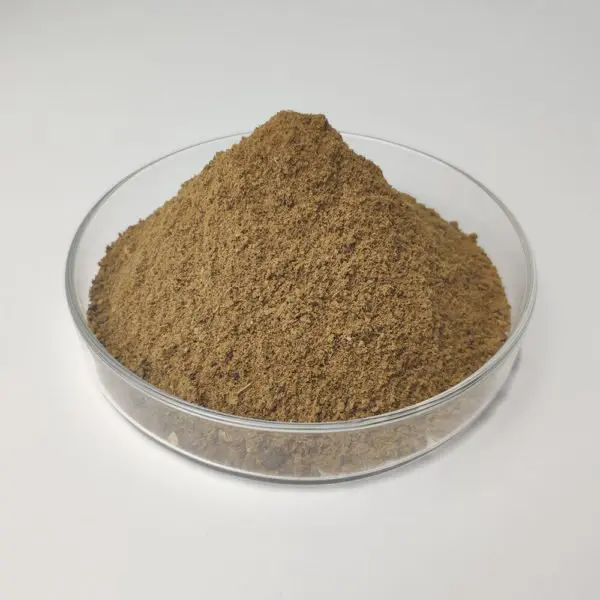
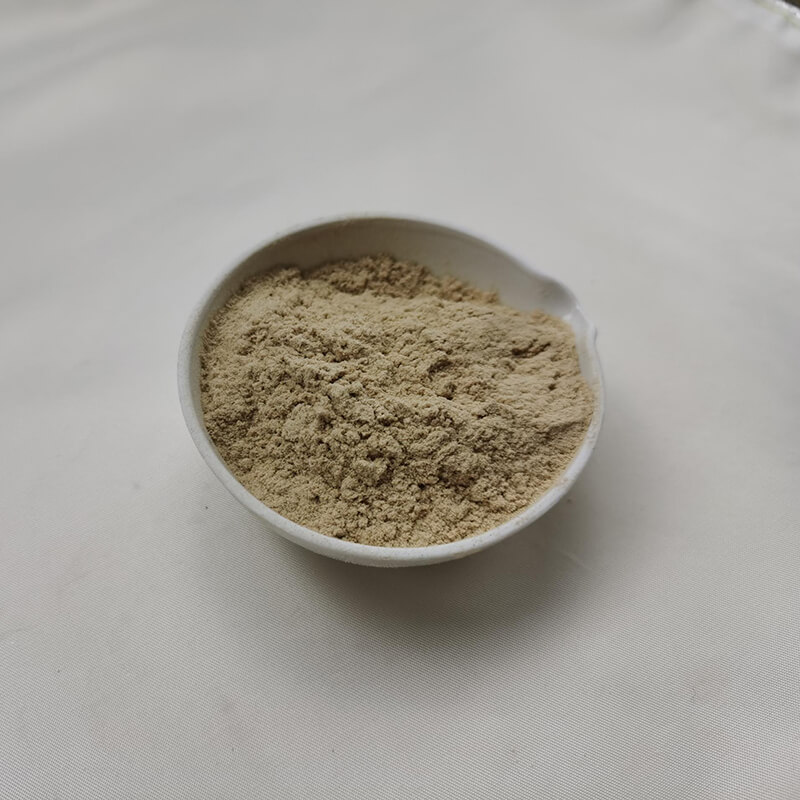
Nursery pigs have the tightest amino acid needs per kg of gain. They sit near 19 g SID lysine per kg gain with sulfur amino acids around 54–60% of lysine. As pigs grow, percentage in the diet shifts, but gram per kg gain stays close. Details stand in the amino acid requirements in swine guide and the feed additives for swine guide.
Dairy cows suit low crude protein diets with rumen-protected methionine and lysine. This gives strong milk while cutting nitrogen and soybean meal use, as covered in feed additives in cattle and optimal yeast feeding strategies for dairy cows. Shrimp and many fish need higher lysine and methionine plus taurine in some species. Here, fish meal and crystalline amino acids cover gaps.
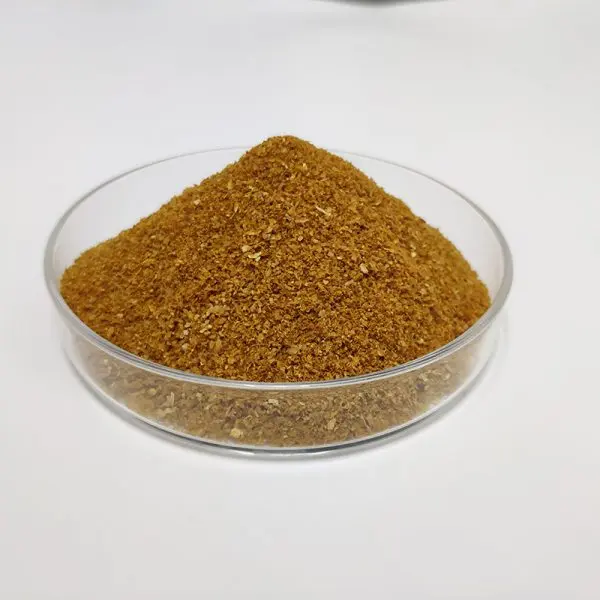
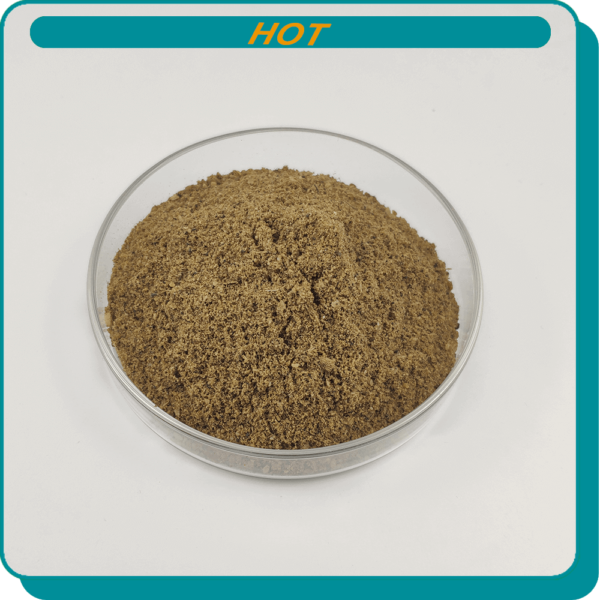
Soybean meal still anchors many diets. It offers strong lysine (about 2.5–2.8%) but short methionine. Corn gluten meal, DDGS, meat and bone meal, and fish meal each bring different amino acid shapes and digestibility. Good formulation treats each as a piece of a puzzle, not a full solution.
The soybean meal product and the corn gluten meal feed guide show how to place these proteins. DDGS adds by-pass protein and energy, as seen in the DDGS product. Feather meal has high crude protein but poor lysine and methionine balance, so it often needs heavy crystalline amino acid support and can lose economic sense.
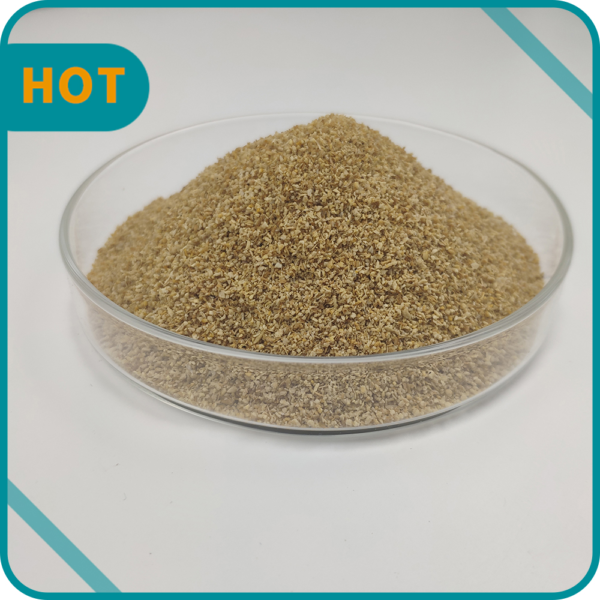
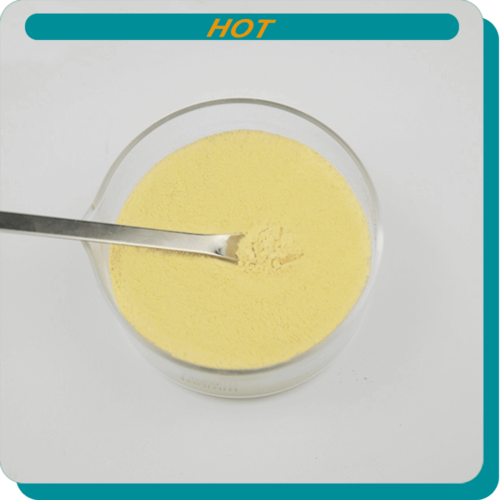

Crystalline amino acids let feed mills cut crude protein while they keep ideal ratios. L-lysine HCl, DL-methionine, and L-threonine fill precise gaps that stay after energy and bulk protein are set. Blends can ease handling and match ready-made patterns for common species.
Support additives help the diet use amino acids well. Yeast and yeast cultures improve gut health and feed conversion. Organic acids and choline support liver and gut function. See amino acid blends vs single additives, L-lysine HCl 98.5% benefits, and choline chloride uses in animals.
Strong formulation fails if assay and storage are weak. Each lot of amino acid should match label spec and stay free from heavy metals and microbes. Labs use HPLC, LC-MS/MS, and NIRS to check identity and value. The amino acid quality control and assay testing guide gives useful lab detail.
Formulators also need clear shelf life rules and care steps. The amino acid storage and shelf life guide links storage to potency across time. Plant-level tools such as the feed additive manufacturing process and facilities overview, the production flow chart, and COA center support safe, repeatable supply backed by vitamin-mineral premixes.
Importers and distributors need more than a price sheet. They need a partner who links products to clear formulation rules. Pangoo works as a technical source plus a factory group, so buyers can line up amino acid needs, protein sources, and support additives in one plan.
The bulk feed additives manufacturer in China overview explains factory scale, QC, and export cases. The China feed additives and bulk pricing, MOQ, and payment terms pages answer key deal points. Importers can also check global markets and distributors Pangoo serves and the FAQ for international feed additive buyers for shipping and document support.
Crude protein treats all nitrogen the same. The animal body does not. It needs each essential amino acid in a clear ratio. Amino acid based formulation hits growth and egg or milk goals with less waste. For a simple base view, see the amino acids feed additives overview and the essential amino acids guide.
Most farms can drop crude protein by 2–5 points when they use clear amino acid ratios and strong crystalline amino acid support. Broilers often keep gain and feed conversion while nitrogen falls by 20–30%. Pigs hold lean gain with lower soybean meal cost. Extra detail sits across the benefits of amino acids in livestock feed and amino acid requirements in swine.
Lysine gaps sit well with L-lysine feed grade bulk supply and the L-lysine HCl 98.5% product. Methionine needs link to DL-methionine feed grade specs and DL-methionine 99%. Threonine sits in the L-threonine product page. Yeast, organic acids, and minerals then support gut and bone so amino acids work well.
Amino acids do best in cool, dry, and dark rooms with clean pallets and short air contact. Each bag should stay sealed and traced. Use a simple stock rotation rule so the oldest lot moves first. The amino acid storage and shelf life guide gives time ranges and handling tips. Linked pages such as MSDS and COA explain safety and quality data.
A good next step is the Pangoo blog hub. It links to guides such as a comprehensive guide to feed additives enhancing animal nutrition with Pangoo’s products and a comprehensive guide to feed yeast for livestock and poultry. These pages show how amino acids, yeast, vitamins, minerals, and organic acids fit into one clear feeding plan for real farms.