| Point | Why it matters |
|---|---|
| China stays a key source for bulk feed additives because it offers scale, deep fermentation capacity, and broad product coverage in amino acids, vitamins, yeast, and premixes. (Mordor Intelligence) | Importers can often buy more volume from fewer suppliers. |
| The China feed additives market is estimated at USD 5.26 billion in 2026 and may reach USD 6.68 billion by 2031. The wider animal feed market is also growing, which supports long-term demand. (Mordor Intelligence) | Buyers who secure stable supply now are buying into a growing market. |
| Price alone is not enough. Good imports depend on clean documents, stable batch quality, and a supplier that accepts audits and third-party testing. (USDA Foreign Agricultural Service) | Low price with weak proof often creates bigger losses later. |
| A one-stop supplier can reduce buying friction when you need amino acids, yeast products, protein inputs, and custom support in one shipment. | Fewer factories often means fewer quality and logistics gaps. |
| Smart importers use samples, lab checks, and clear Incoterms before they book a full container. Trade forum concerns still center on quality swings and weak vetting. | Good process beats guesswork. |
Many importers buy from China for one simple reason: scale. China has large fermentation capacity, broad raw material access, and mature export routines for feed inputs. That matters when you need steady volume, repeat orders, and a product range that goes beyond one single line. The market is large enough to support many categories, and buyers can often source amino acids, vitamins, yeast products, and protein materials in one program instead of splitting every item across many countries. China’s feed additive market is projected at USD 5.26 billion in 2026 and about USD 6.68 billion by 2031, which shows this is a deep supply base rather than a short-term trade window. Buyers that already work with an animal feed supplement supplier or need livestock feed supplement bulk supply usually value that depth first. (Mordor Intelligence)
A growing end market makes supply planning easier. The global animal feed market was valued at about USD 483.81 billion in 2025 and is projected to reach about USD 705.15 billion by 2034. That growth supports long-term demand for additives that improve feed conversion, gut health, stability, and antibiotic reduction programs. China is also important because trade groups in the United States still point to heavy dependence on Chinese-made vitamins and key feed ingredients. That does not remove risk, though it does show how central Chinese production remains in the real market. For buyers building antibiotic-free or lower-AGP programs, pages on AGPs vs non-antibiotic additive strategies, regulatory trends in antibiotic reduction, and antibiotic-free AGP replacement feed additive programs line up well with current demand. (Precedence Research)
The best imports are usually the ones backed by scale, repeat demand, and clear specs. In practice, buyers often start with amino acids, vitamin lines, yeast products, and selected protein ingredients. A broad range lets a supplier support both premix and straight-ingredient buyers. Pangoo’s research brief frames this well: importers want one source for lysine, methionine, threonine, vitamin-mineral premixes, yeast, and protein concentrates, backed by COAs and spec sheets.
For product mix, a practical basket may include corn gluten meal, yeast cell wall, and brewers yeast. Those lines speak to three different buying goals: protein contribution, gut support, and functional yeast value. Buyers should group products by use case first, then compare price, assay, moisture, micro limits, and packaging. That method prevents a cheap offer from hiding weak value.
Yeast products are often easier for first-time buyers to compare than more complex custom premixes. They usually come with clear specs, common use cases, and easier sample evaluation. A buyer can start with feed yeast, review examples of poultry feed formulation using yeast, and then move to live yeast lines such as Saccharomyces cerevisiae for animal nutrition. That gives a clean path from simple sourcing to more value-added use.
This also helps in buyer talks with distributors. A distributor usually wants easy proof: what the product does, how it fits a ration, what claim can be made, and how fast the supplier can support a complaint or reformulation. Yeast products make that conversation easier because the product story is often clear and field use is easy to explain. For many new importers, that lowers the first-order risk.
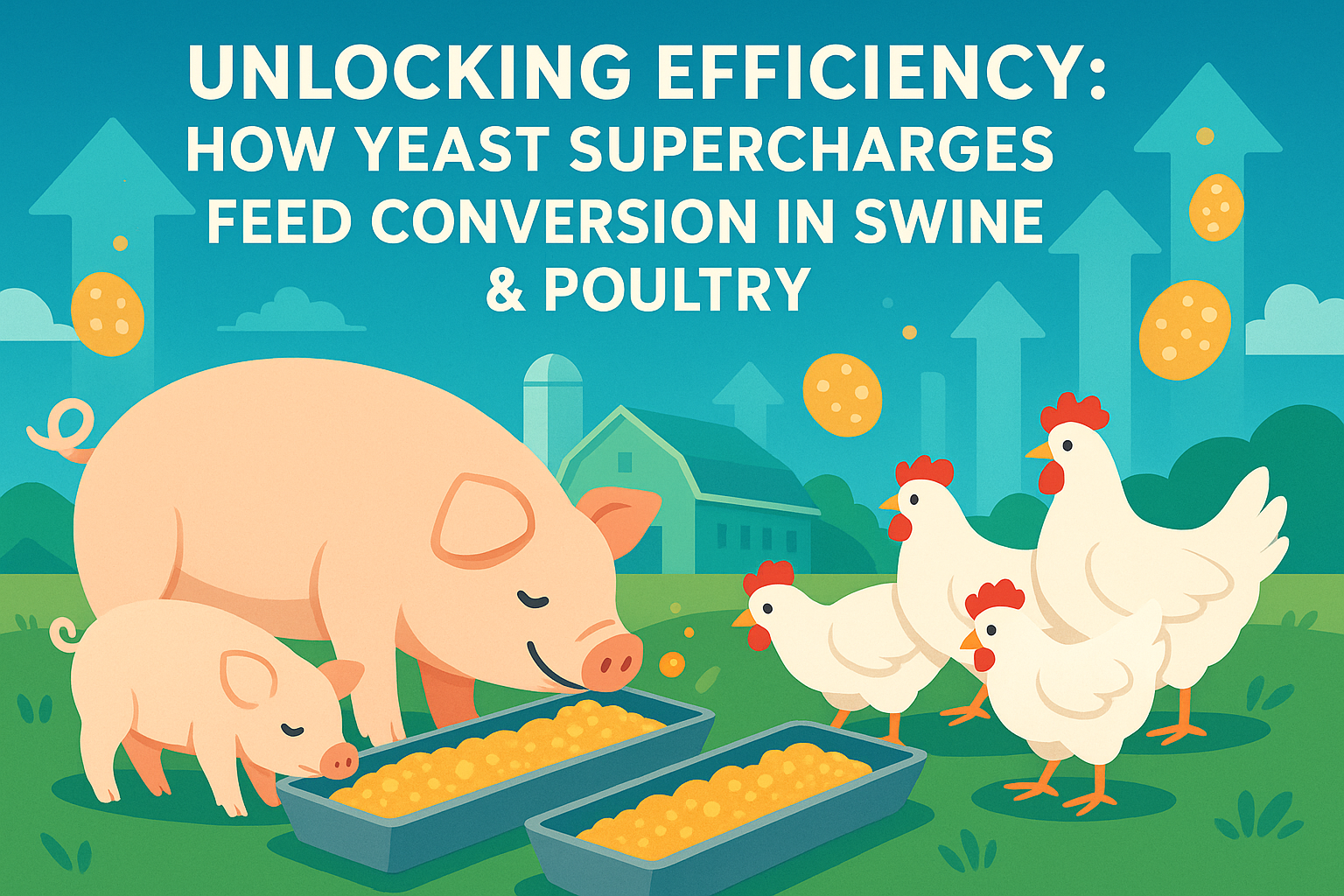
A smart buyer does not stop at protein or active percentage. The better question is: what job does this item do in the feed? Yeast culture may fit performance support in one program, while content about brewers yeast for chickens helps buyers map use in poultry, and work on feed conversion yeast improvement gives a business angle for cost per ton of gain instead of cost per kilogram of product.
This use-case view matters because two offers with close assay numbers can produce very different results in the field. Buyers should ask for the recommended inclusion rate, target species, storage limits, shelf life, complaint history, and customer references by market. That kind of review is much closer to real import profit than a single low unit price on a quote sheet.
A lot of buyer confusion starts with category mix-ups. Some products are bought as straight additives. Others sit closer to supplement or premix use. That changes labeling, registration, customer expectation, and margin structure. A buyer who clearly understands feed additive vs feed supplement can choose the right channel faster. The same is true for programs that need private label feed supplements or buyers learning how to choose a feed supplement manufacturer.
This distinction also affects sales strategy. A trader selling to feed mills may want a standard spec product with tight assay control. A distributor building a branded local line may want packaging support, label help, marketing files, and a smaller test MOQ. The product may look similar on paper, but the export job is different. Buyers who define the business model first usually make fewer sourcing mistakes.
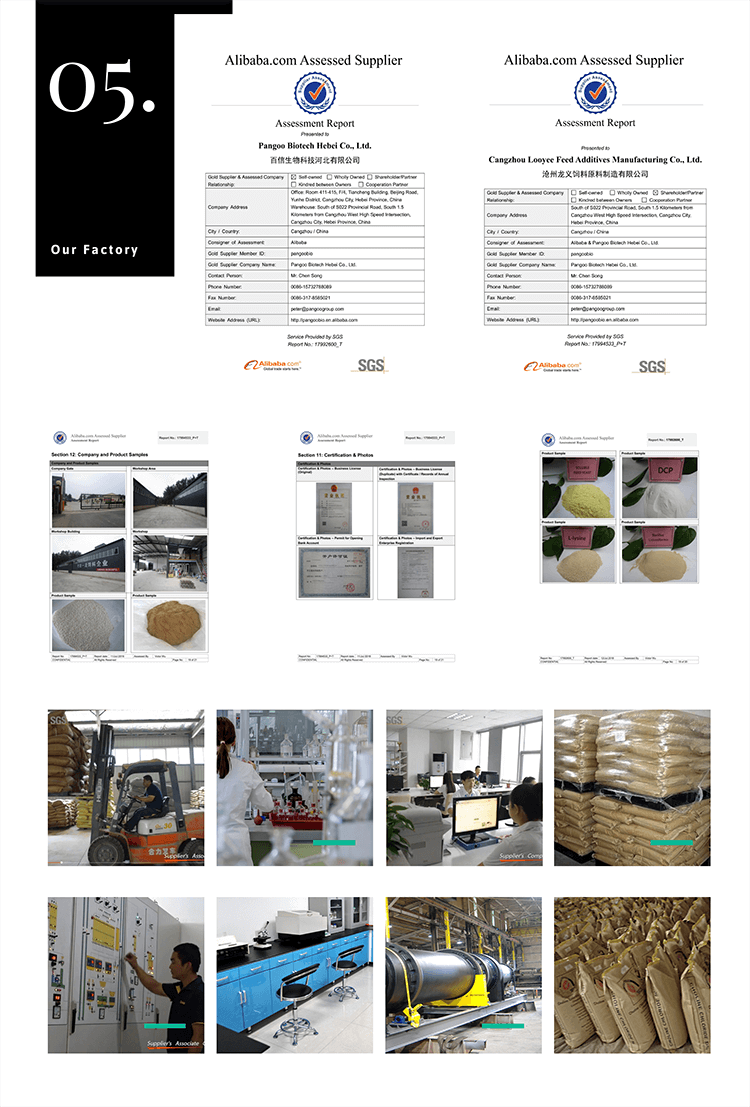
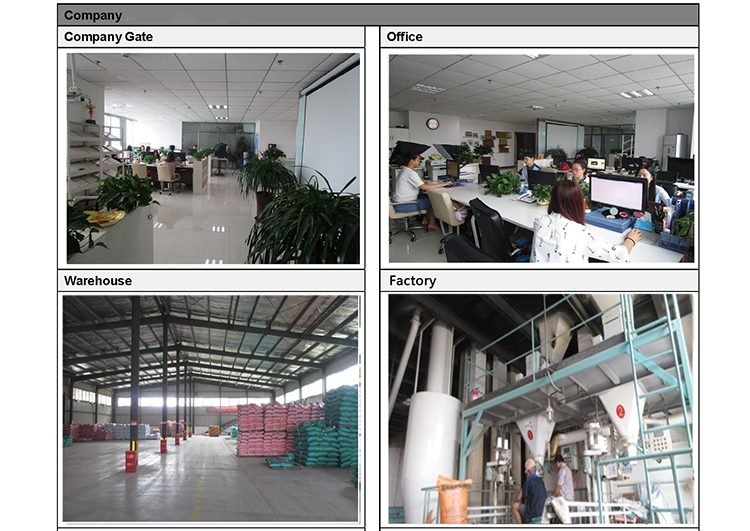
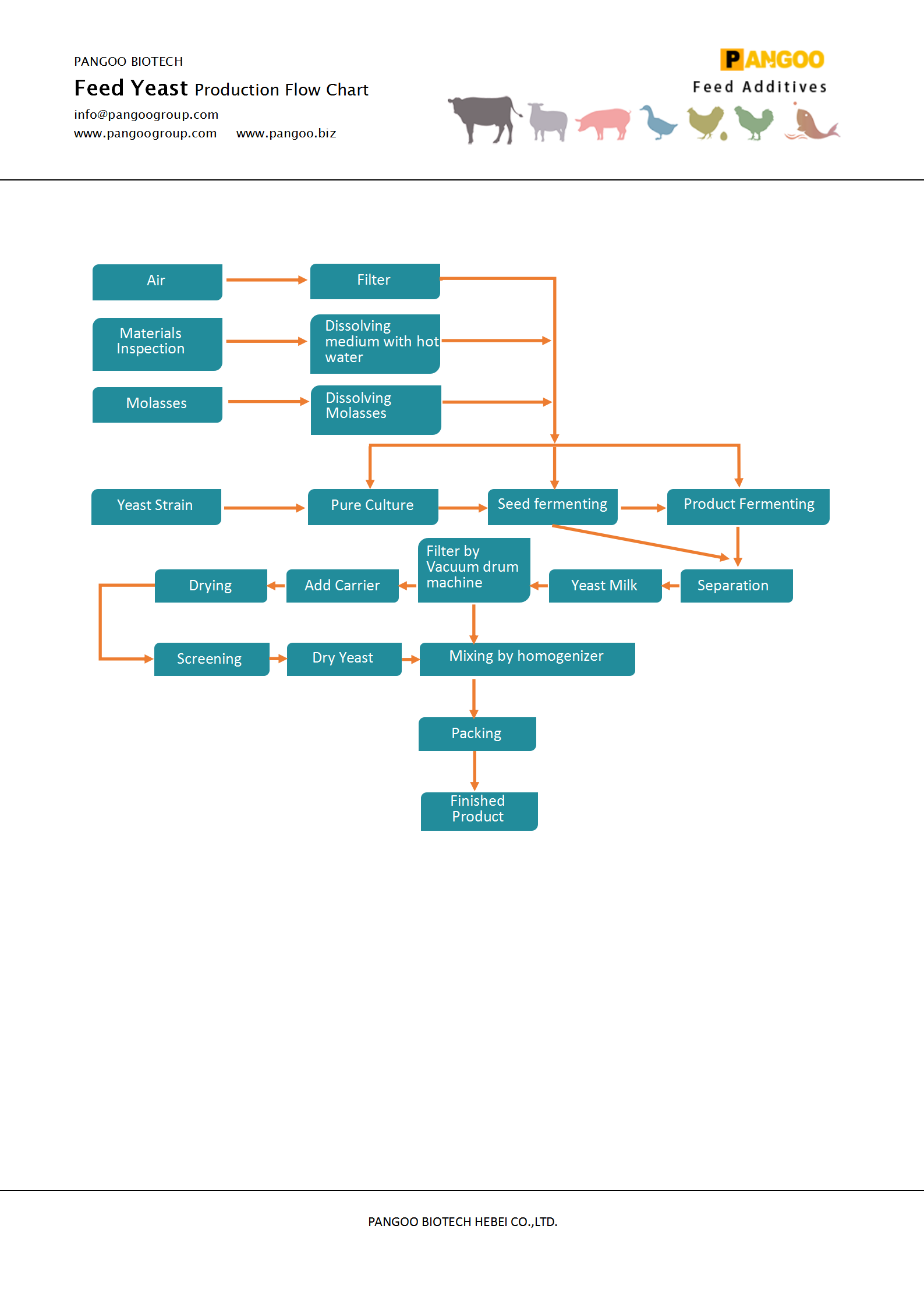
The biggest difference between a good Chinese supplier and a risky one is not the first quote. It is the response to verification. A supplier worth working with should show its plant flow, raw material controls, lot coding, retention sample rules, and complaint handling path. Pangoo’s brief lists a clean production path: raw material procurement, fermentation, purification, drying, blending, and packing. It also points buyers to batch variation limits, impurity review, microbiological targets, spec stability, and third-party inspection readiness.
That is the right standard whether you buy from a classic feed supplement manufacturer, a detailed animal feed supplement supplier guide, or a source focused on livestock feed supplement bulk programs. A clean supplier will answer hard questions in a calm way. A weak supplier will hide behind price and speed. Buyers should treat that pattern as a warning sign.
Importing feed additives is a document business before it becomes a shipment business. China’s rules are active, and official guidance shows ongoing control of feed and feed additive approvals, registrations, and import procedures. USDA FAS guidance for exports to China points to facility registration, quarantine oversight, and import rules, while CIRS notes MARA registration procedures for imported feed and feed additives. That means buyers need to match product category, destination market, and registration path before they talk about container timing. (USDA Foreign Agricultural Service)
At the working level, buyers usually ask for COA, MSDS, product specs, packing details, certificates such as ISO or FAMI-QS when relevant, and country-specific approvals if needed. Side-by-side comparison pages such as a feed additive vs feed supplement guide, private label feed supplement guide, and feed supplement manufacturer guide help frame what level of support a supplier should provide.
Quality control works best when it is written into the quote, not added after a dispute. Buyers should set the assay method, moisture rule, micro limits, foreign matter rule, packing standard, and claim process before they pay a deposit. Pangoo’s research brief also highlights third-party inspection readiness and stable batch targets as key buying points, which matches what experienced importers already do. Trade forums and buyer discussions keep repeating the same lesson: quality from China can be very good or very poor, so supplier vetting matters more than marketplace photos.
A short audit checklist should cover these points:
That process is stronger than chasing the lowest number on Alibaba or in a trader WhatsApp thread.
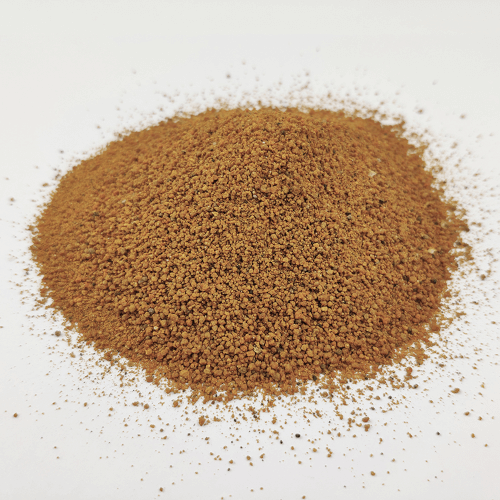
A good landed-cost review includes product price, payment term, packaging, port, container load plan, inspection cost, bank charges, and claim risk. The brief behind this page also points to common pack sizes such as 25 kg bags and jumbo bags, plus port choices like Shanghai and Qingdao, which can help spread freight or schedule risk. FOB, CFR, and CIF also shift cost and risk in different ways, so importers should pick the term that matches their freight strength and insurance habits.
Price talks should also cover MOQ logic. Some products have a real factory MOQ. Others have a commercial MOQ based on packing efficiency or blend setup. Buyers that want proof packs, custom labels, or new-market trial lots should say that early. A supplier that understands how to choose the right feed yeast supplier in China for the Philippines usually understands this market-entry pattern well too.
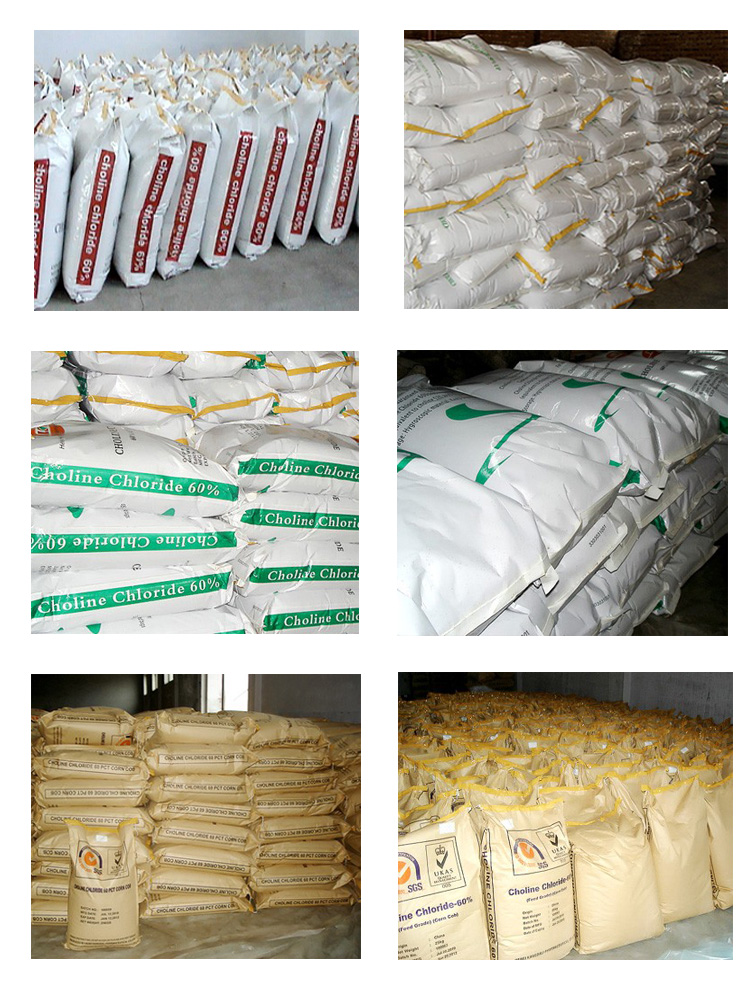
The winning model is simple. Start with products that fit your market. Ask for the full document set. Test samples. Check the plant path. Lock the Incoterm. Then scale. Buyers who follow this order usually avoid the biggest import mistakes. Pangoo’s research brief shows the same pattern: use a one-stop China base for amino acids, premixes, yeast, and protein inputs, but support the sale with documentation, audit readiness, and process control.
For distributors, the strongest growth often comes when sourcing is linked to market support. That is why deeper pages on trial data and case studies for AGP replacement and marketing support for antibiotic-free feed brands matter. Buyers do not just need product. They need proof they can sell. In a market where price is easy to copy, the supplier that helps you reduce risk and win repeat orders is usually the better long-term partner.
The main benefit is access to scale, broad product range, and competitive supply from a market that remains one of the world’s key production hubs for feed inputs. Buyers can often combine amino acids, yeast, protein ingredients, and support services under one sourcing plan instead of splitting orders across many factories. (Mordor Intelligence)
Many first-time importers start with yeast products and a few clear-spec items because they are easier to compare and test. Practical starting points include feed yeast, yeast culture, and support pages like brewers yeast for chickens. Buyers who want to expand later can move into wider private label feed supplements or the matching private label feed supplement guide.
Ask for COA, product specification sheet, MSDS where needed, packing details, shelf life, lot coding rules, and any required certificates or market registrations tied to your destination. China’s regulatory system for feed and feed additives is active, so product category and import path should be checked early. (USDA Foreign Agricultural Service)
Look for history, export record, fast document response, audit openness, stable samples, and clear complaint handling. Use pages like how to choose a feed supplement manufacturer, the related manufacturer selection guide, and the core feed supplement manufacturer page to build a check list that goes beyond price. Trade discussions still warn buyers that weak vetting is the root cause in many bad deals.
Yes, if the supplier can support proof, documentation, and market education. Buyers building antibiotic-reduction programs should review AGPs vs non-antibiotic additive strategies, regulatory trends in antibiotic reduction, trial data and case studies for AGP replacement, and marketing support for antibiotic-free feed brands. Those tools help turn a raw product order into a saleable distributor program. (Precedence Research)