| Point | Why it matters |
|---|---|
| Bulk feed additives pricing MOQ payment terms importers care most about four things: unit price, MOQ, payment risk, and supplier proof. | These four points decide whether a deal is cheap, safe, and scalable. |
| Bulk orders can cut per-ton cost by about 5% to 30% when factories run larger, steadier production plans. | Volume often lowers cost faster than hard price bargaining. |
| First orders usually start at 1 to 20 tons per SKU, and many suppliers allow test runs at 30% to 45% of standard MOQ. | Buyers can test quality without jumping straight into full-container risk. |
| Payment terms usually move from 100% T/T advance or 50/50, to 30/70 T/T, then to L/C at sight or Net 30–60 for trusted accounts. | Better terms are usually earned through repeat orders and clean trade history. |
| Good contracts, COAs, MSDS files, and third-party checks matter because social feedback still warns buyers about weak documentation and uneven supplier quality. | A safe deal is more than a low price. |
A lot of buyers treat price, MOQ, and payment terms as separate topics. That is a mistake. They work as one package. A supplier may offer a low headline price, then set a high MOQ or ask for full payment before production. Another supplier may quote a slightly higher price but allow a smaller trial lot and better document support. The second deal may be safer and cheaper in real use.
This is why many importers first study a broad bulk feed additives manufacturer China page, then compare details on why import feed additives from China and global markets distributors we serve. The goal is not to find the lowest number on day one. The goal is to build a buying path that starts small, proves quality, and scales without damaging cash flow. That model fits most B2B importers better than chasing one cheap quote.
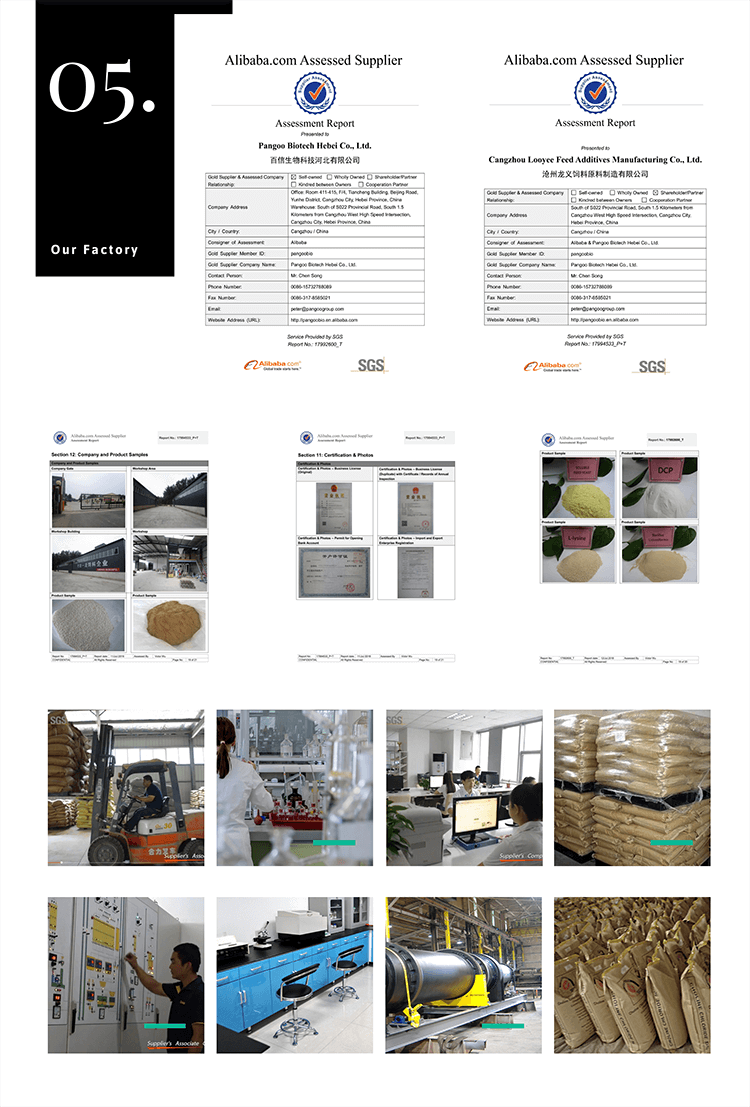
Feed additive pricing in China usually follows production logic, not guesswork. Factories look at raw materials, utilities, labor, packaging, QC, and line scheduling. When the order is large, those fixed costs spread across more tons. That is why larger orders often produce better per-ton pricing. The research brief shows that importers can often gain 5% to 30% cost reduction when volume rises and truckload or container-level orders become stable.
This is easy to see in product lines such as l-lysine feed grade bulk supply, dl-methionine feed grade specs bulk supply, and the broader amino acid feed additives supplier lysine methionine range. Continuous production lines reward steady demand. A stop-and-start order pattern usually costs more. Buyers should therefore compare price bands by volume, not by one sample quote. A supplier that explains the band clearly is often easier to work with long term than one that hides the logic.
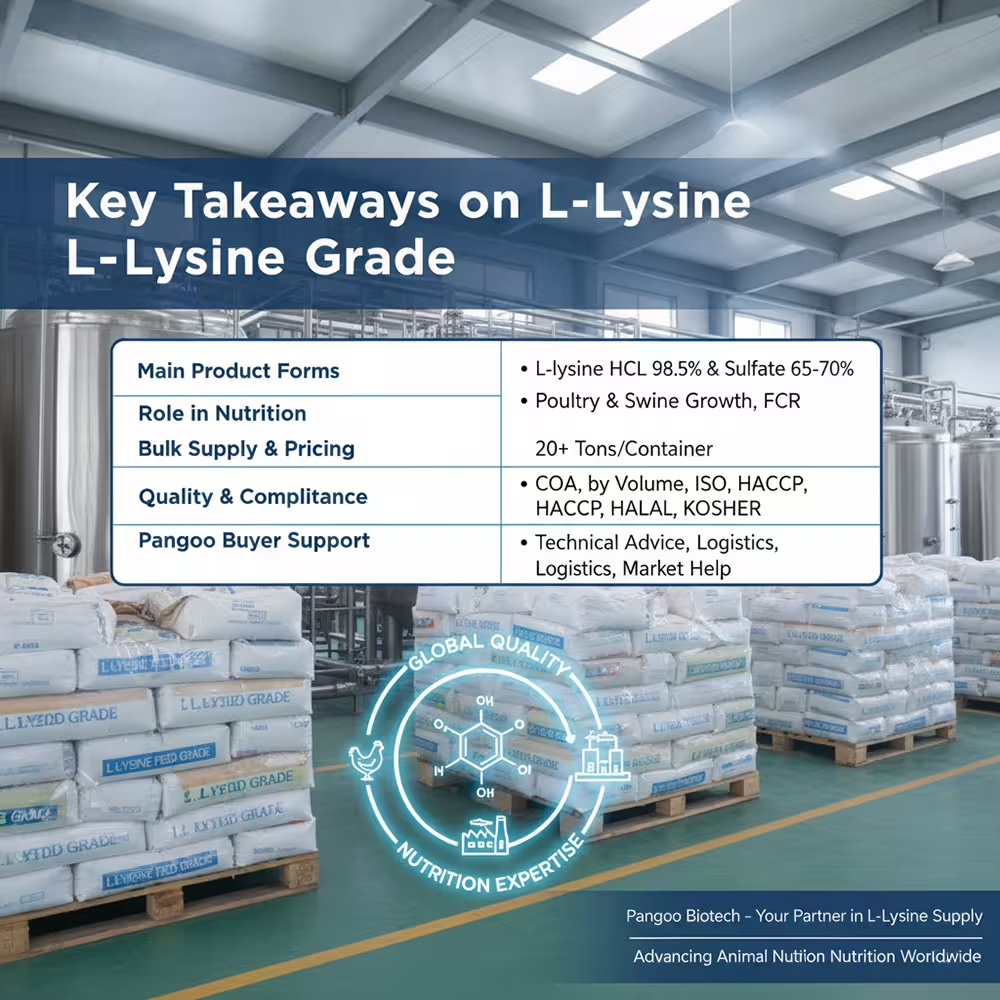
Most Chinese feed additive factories do not think in tiny retail lots. They think in production runs. The brief shows a common pattern: premium pricing at 1 to 5 tons, a middle band at 10 to 20 tons, and the best price at full container levels. That makes sense because cleaning lines, setting bags, checking samples, and booking staff time all cost money before the first ton ships.
Importers should ask for a real volume table. A simple structure may include:
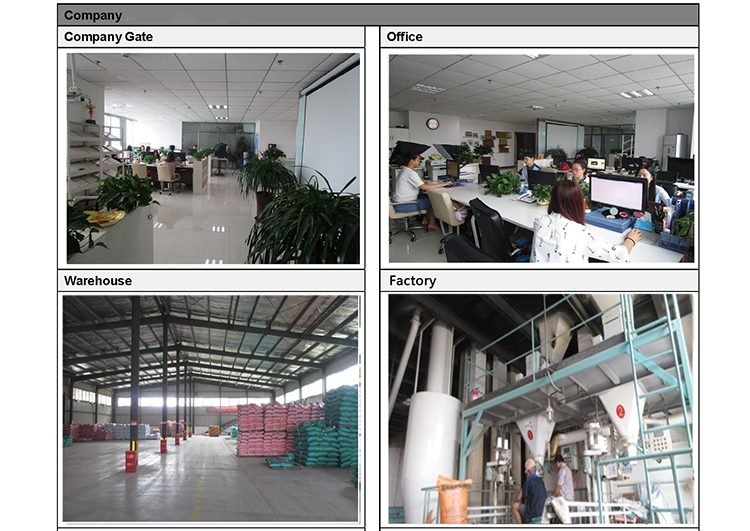
That is much more useful than a single offer. Buyers using amino acid quality control assay testing together with feed additive manufacturing process facilities can also see why some products hold better margins than others. The line setup matters. A factory that runs amino acids, yeast, vitamins, and premixes on steady schedules can often quote better than a trader sourcing from many small plants.
Many buyers dislike MOQ, but MOQ is usually not random. It covers real operating costs. The research notes that Chinese plants often plan in multi-ton batches and prefer 10 to 20 ton cycles because small lots are hard to run at wholesale economics. Cleaning reactors, adjusting fermentation runs, doing QC, and changing packaging all take time and money.
That is why importers should ask what kind of MOQ they are seeing. Is it a factory MOQ, a packaging MOQ, or a trading MOQ? Those are not the same. On some product lines, a supplier may show flexibility if the buyer chooses standard bags, simple labeling, or mixed container plans. This is common in categories such as vitamin-mineral premixes, product-category vitamins, and product-category minerals. A smart buyer does not argue against MOQ in general. A smart buyer asks what part of the MOQ can move and what part cannot.
The good news for new buyers is that many Chinese suppliers allow trial orders below the standard catalog MOQ. The research brief says first orders are often 1 to 20 tons per product, and trial runs may be accepted at 30% to 45% of the normal MOQ. That is a useful entry point for distributors, private-label operators, and importers entering a new market.
This approach works well with practical product testing. A buyer may start with product/l-lysine-hcl-98-5, product/l-threonine, or product/feed-yeast in a small order, then expand after the COA, lab results, and market response look good. It also helps to connect trial orders with end-use planning through amino acid feed formulation guidelines or poultry minerals vitamins guide. A smaller first order may cost more per ton, but it often saves much more by reducing the risk of a bad full-container decision.
Payment terms are really a risk-sharing tool. For first orders, many Chinese suppliers ask for 100% T/T advance or a 50/50 structure because they must secure raw materials and production time before shipment. As trust grows, the trade often moves to 30% deposit and 70% against documents. Mature accounts may reach L/C at sight or even Net 30 to 60 days when both sides have strong history.
Buyers should not expect credit terms too early. A better path is to earn them. Start with clear paperwork, quick payment, and clean communication. Then ask for better terms after successful repeat orders. This works especially well when sourcing repeat lines such as product/dl-methionine-99, product/choline-chloride-60, or product/fpp-1-corn-gluten-meal. Good suppliers usually reward predictable buyers. Good buyers also know that loose credit on a weak supplier can create bigger trouble than strict terms on a reliable one.
Different order stages need different payment logic. A small sample or test order usually fits T/T because the amount is manageable and the goal is speed. A second or third order may fit 30/70 T/T if the supplier has already proved quality and timing. Larger long-term programs may justify L/C at sight when the order value is high and both sides want tighter bank-backed control. The brief also notes that Net 30 to 60 days can appear with mature partners, especially in Southeast Asia trade relationships.
This matters across broad categories such as product-category/animo-acids, product-category/feed-protein, and product-category/chemical. The right payment tool depends on order value, trust, and document quality. Buyers should also match payment stages to shipment milestones. Paying against copy documents, packing lists, and bills of lading can add discipline to the deal without blocking the factory from planning production.
A low price by itself means very little. Wide online price ranges often reflect differences in purity, certification, regulatory status, service level, and supplier reliability. The research file notes that B2B platform pricing can range from under $1/kg for commodity-like items to much higher levels for specialty products, and that buyers should compare certifications, delivery performance, and reorder behavior, not price alone.
That is why importers should review proof pages such as coa, msds, and production-flow-chart. If the supplier cannot provide clean documents, fast answers, and stable specs, the low quote may become expensive later through claims, delays, or rejected stock. This is even more important for sensitive lines like choline chloride animal feed guide products or organic acids poultry feed guide categories where handling, quality, and storage can affect field use.
Buyers often get better commercial terms when they buy more than one SKU from the same supplier. The brief positions Pangoo as a combined source for amino acids, proteins, yeast, probiotics, and vitamin-mineral premixes. That model can reduce split shipments, simplify paperwork, and improve leverage during price talks because the factory sees a larger account value.
A mixed buying program may include product/ddgs, product/fish-meal, product/saccharomyces-cerevisiae, and product/allicin-garlicin. Instead of negotiating each item in isolation, the buyer can ask for a total shipment plan. This often works better for distributors serving several livestock segments. It also helps with freight efficiency because mixed containers can sometimes protect margin better than many small separate orders. A serious supplier should be able to explain which SKUs combine well, which ones need separate handling, and how packaging affects the final landed cost.
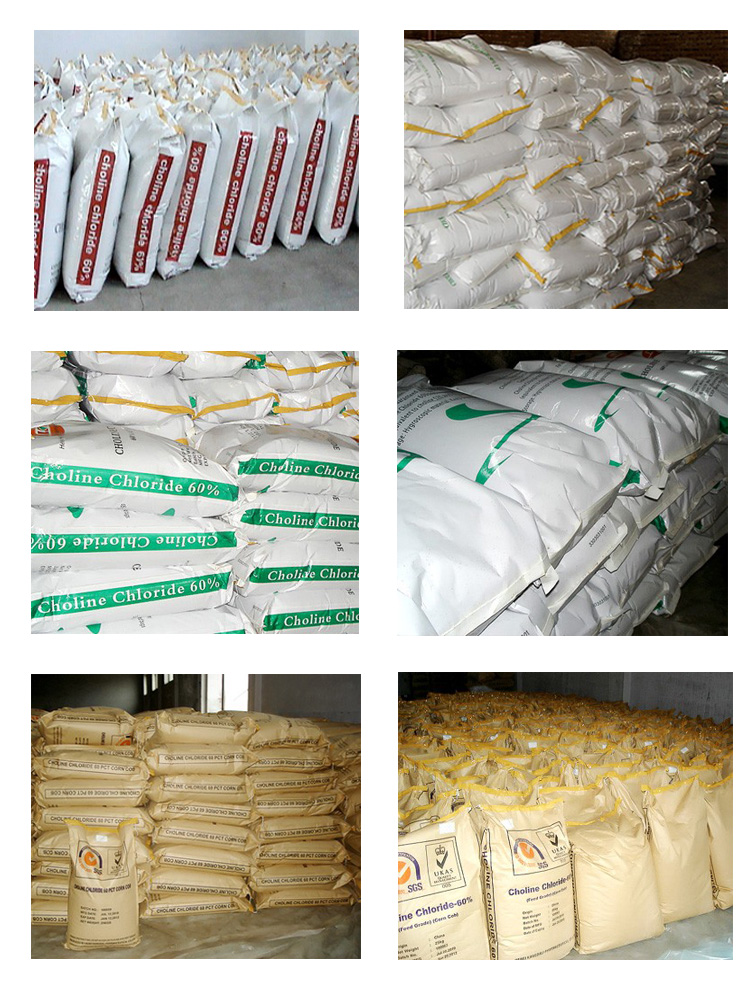
The brief is clear about one thing: buyers should ask for detailed COAs, MSDS, certifications, and supplier proof with every batch, then start with stricter payment terms and relax only after performance is proven. That is sound advice because paperwork and QC lower the chance of later disputes. It also helps buyers respond fast when customs, distributors, or end users ask questions.
A safe review process often includes:
This process fits many lines, including choline chloride benefits poultry, propionic acid feed preservation, and amino acid feed additives for poultry. A buyer who skips these steps may save time at the start, but often loses much more time and money later when a shipment turns into an argument.
The research gives a clear four-step commercial model: free samples, then a 5 to 10 ton test run, then a 20 to 100 ton volume plan, then regional customization for markets such as Africa, the Middle East, and Latin America. This is a practical path because it matches how trust is built in B2B trade.
Importers can support that growth path by linking products to market needs. A poultry-focused buyer may use lysine poultry nutrition guide, methionine broiler performance guide, and threonine gut health broilers to position the range. A broader distributor may add demanded feed additives Africa Middle East Latin America and top export destinations Chinese feed additives to plan regional growth. The best part of this model is that it gives both sides a chance to learn before large money is at risk.
Online feedback is mixed in a useful way. Buyers like competitive pricing, fast replies, packaging flexibility, and suppliers that keep COAs consistent. At the same time, they still worry about document authenticity, problem solving, shipment delays, and quality disputes through intermediaries. The best-practice advice in the file is direct: vet export history, check ISO, FAMI-QS, or GMP where relevant, ask for detailed COAs and MSDS files, and begin with smaller trial orders before going to container commitments.
That is why many buyers prefer working with established manufacturers instead of random marketplace sellers. Helpful support pages include faq international feed additive buyers, china feed additives, and working with sourcing agents in China. A good deal should feel clear on paper before the container is booked. If the contract, documents, or communication feel weak, the price is probably not low enough.
A normal first order is often 1 to 20 tons per SKU, while some suppliers allow test orders at 30% to 45% of the catalog MOQ. The exact level depends on the product, the pack style, and whether the line is fermentation, synthesis, or blending based. Buyers comparing bulk pricing MOQ payment terms importers and feed-additive-manufacturing-process-facilities usually get a better sense of what is flexible and what is fixed.
The research brief says larger orders can lower per-ton cost by about 5% to 30%. The best pricing usually appears when the buyer moves from small trial lots to steady truckload or full-container buying. Pages like amino acid feed additives supplier lysine methionine and global feed additive trends help show why steady volume matters.
For first orders, 100% T/T advance or 50/50 is common because the factory is taking raw material and production risk. After successful repeat orders, the deal may shift to 30/70 T/T, and mature partners may reach L/C at sight or Net 30–60. Buyers can compare this with the broader faq international feed additive buyers and how to choose a supplier in China guidance.
Use samples, ask for COA and MSDS files, test the product with a third-party lab, and keep the first payment terms strict. Then scale only after the trial run works. Helpful support pages include amino acid quality control assay testing, coa, and msds. The file also recommends checking export history and certifications before bigger commitments.
It can be better when the supplier has real manufacturing depth and strong documentation. A one-stop source can reduce shipment splitting, simplify paperwork, and improve leverage on price and payment terms across several SKUs. Buyers often review products, china feed additives, and global markets distributors we serve to judge whether that supply model fits their market.