| Topic | Simple takeaway |
|---|---|
| Bulk pricing | Bigger, steady orders cut unit price by 5–30%. |
| MOQ | MOQ helps factories cover setup cost; many can bend it. |
| Supplier type | Direct factories give best price; traders give service. |
| Payment terms | Mix deposit, balance, and credit days to share risk. |
| Pangoo fit | Pangoo builds plans that fit bulk pricing, MOQ & payment terms for importers. |
Bulk pricing, MOQ & payment terms for importers shape profit more than small price talk. A clear plan for volume, credit, and risk turns a one-time trial into a long link with a strong China factory.
China holds huge capacity in amino acids, proteins, vitamins, and yeast. This scale makes China feed additives very sharp on price at bulk level. Why import feed additives from China explains how large plants spread fixed costs over many tons.

Feed additive manufacturing process and facilities and the production flow chart show each step that needs energy, people, and checks. Bulk orders let factories run full lines with one setup. Export data in global feed additive trends, top export destinations for Chinese feed additives, and demanded feed additives in Africa, Middle East, Latin America proves steady overseas demand.
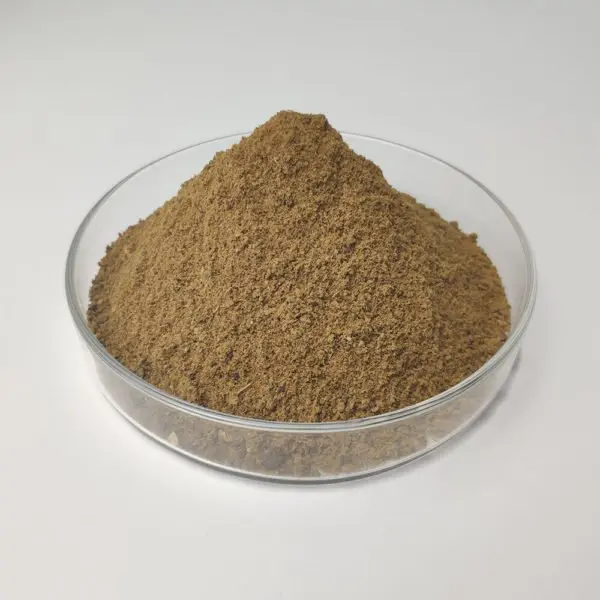
L-lysine is the main volume amino acid. The L-lysine HCl 98.5% product and L-lysine HCl 98.5% benefits pages show how purity and form drive price. Guides like the lysine poultry nutrition guide, lysine for animal feed, and L-lysine HCl feed grade complete guide link dose needs to real feed cost.
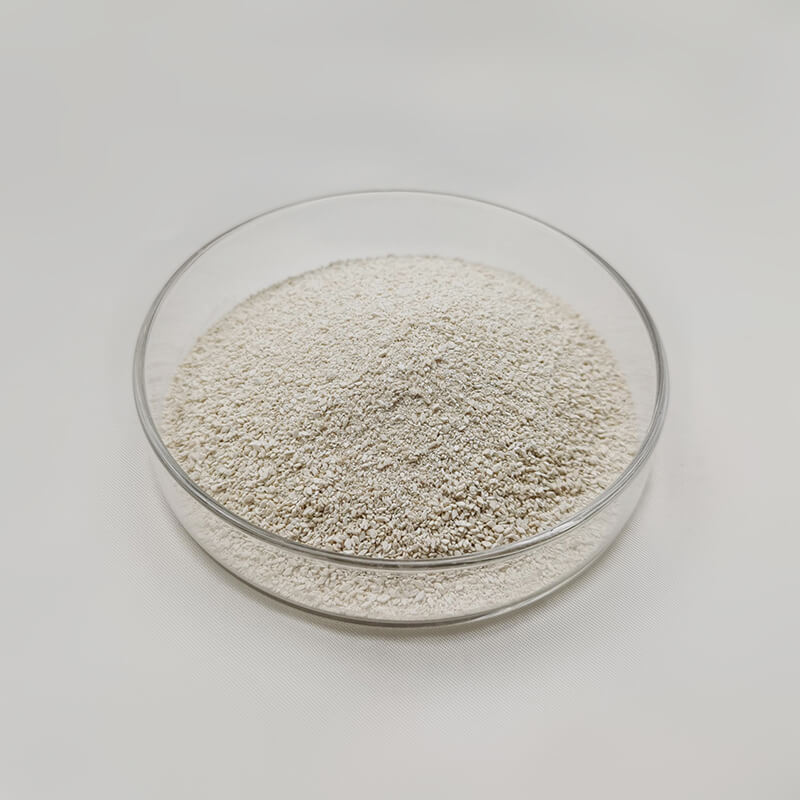
Threonine and methionine follow the same logic. The L-threonine feed grade product, threonine and gut health in broilers guide, DL-methionine 99%, DL-methionine 50%, and the methionine broiler performance guide help plan amino acid matrices. Broader views in amino acids feed additives, essential amino acids for animal nutrition, benefits of amino acids in livestock feed, amino acid profiles for poultry, and amino acid requirements for swine explain why factories can quote sharp prices once volume is clear.
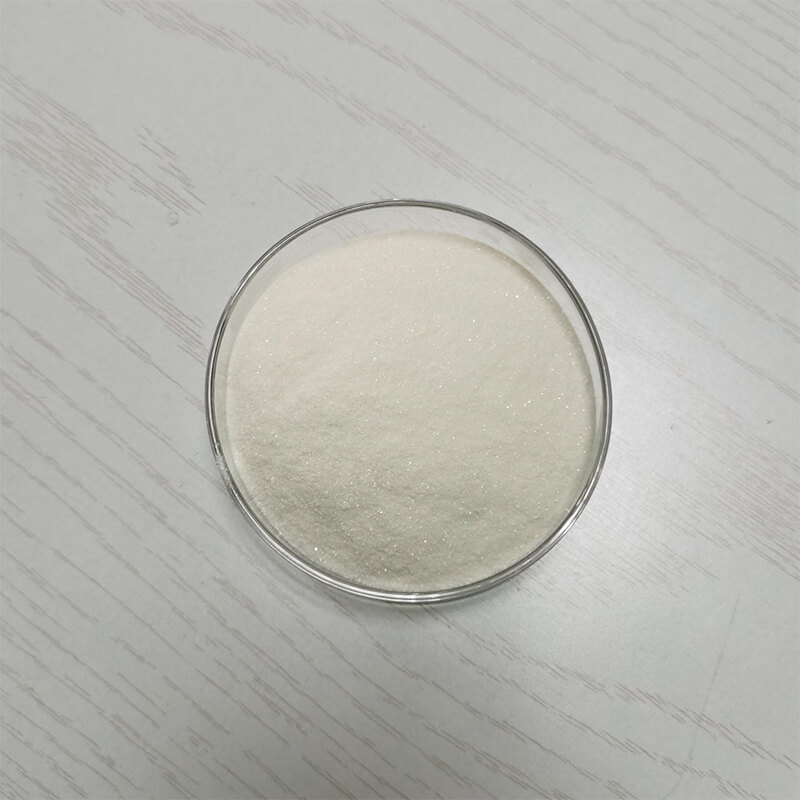
Corn gluten meal is a classic high-volume item. The corn gluten meal product links to unlocking the nutritional power of corn gluten meal and the ultimate guide to corn gluten feed. These guides show how small jumps in protein level change bulk pricing and MOQ.

Protein planning uses fish meal, DDGS, soybean meal, meat and bone meal, and the feed protein category. Tools like protein sources in poultry diets, 40 common feed ingredients guide, and the essential feed ingredients guide help build blends that hit crude protein and amino acid specs while staying inside a target bulk price.
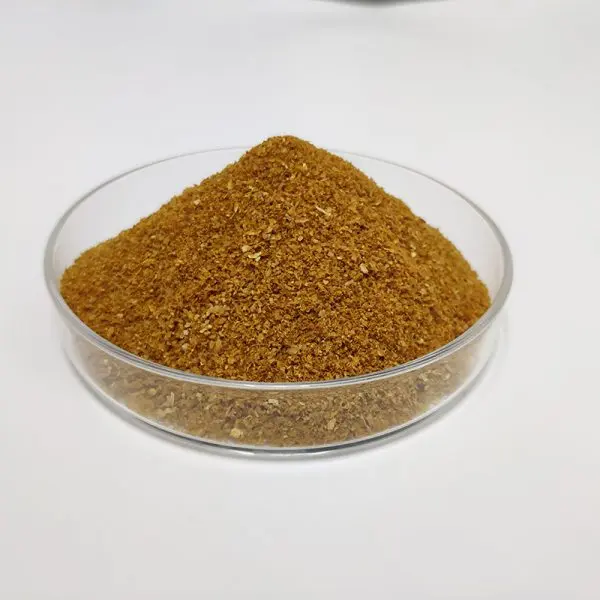
Yeast is a strong tool for gut health and feed conversion. Product pages for feed yeast, soluble feed yeast, and Saccharomyces cerevisiae link to the feed yeast comprehensive guide and feed yeast manufacturers guide. These show dose ranges that matter when you plan bulk pricing, MOQ & payment terms for importers who sell into many species.
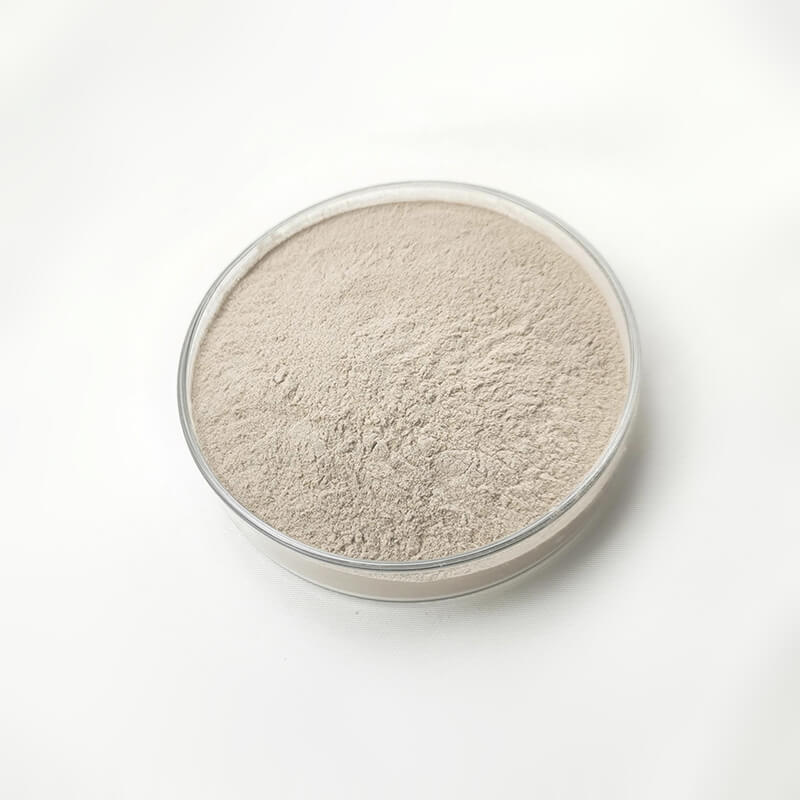
Demand-side guides like yeast for animal feed, yeast feed supplement benefits, top 5 benefits of animal feed yeast, and benefits of yeast-based feed additives for distributors help importers see resale value. Country-level pieces like animal feed yeast for livestock in the Philippines, Philippines feed market overview, and yeast distributor opportunities support market plans.
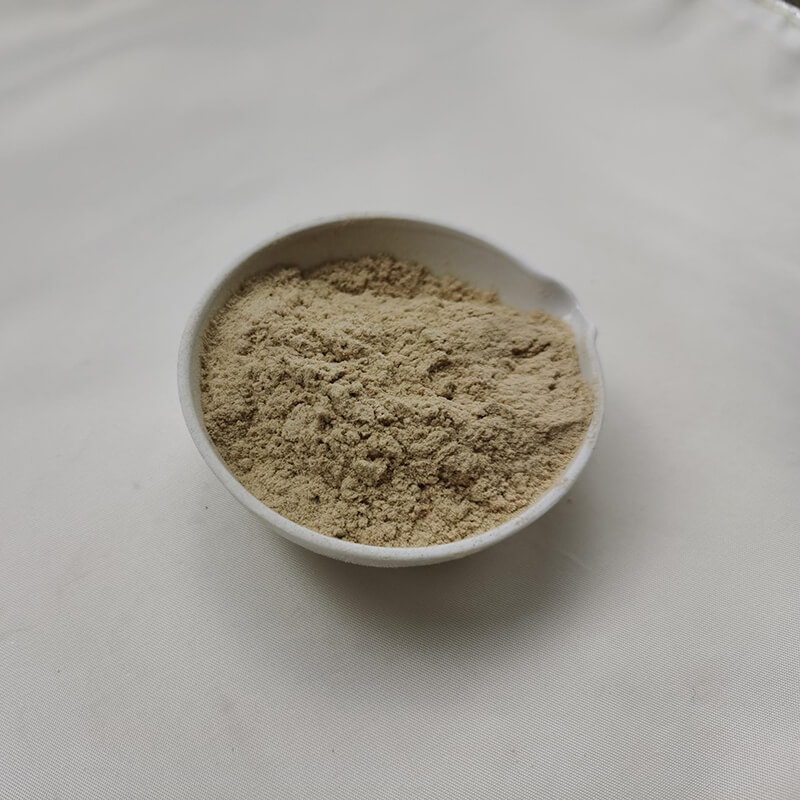
Organic acids add shelf life and gut support. The organic acids poultry feed guide, encapsulated organic acids guide, propionic acid feed preservation, lactic acid in poultry diets, citric acid digestive efficiency, formic acid antimicrobial control, and L-malic acid product explain dose and cost per ton.
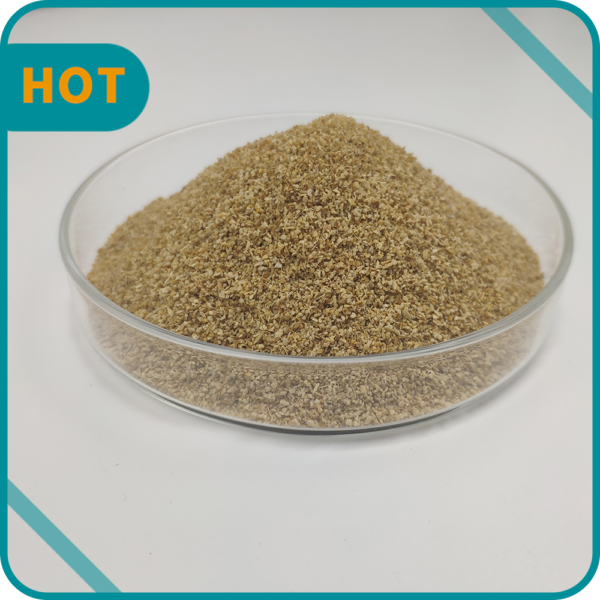
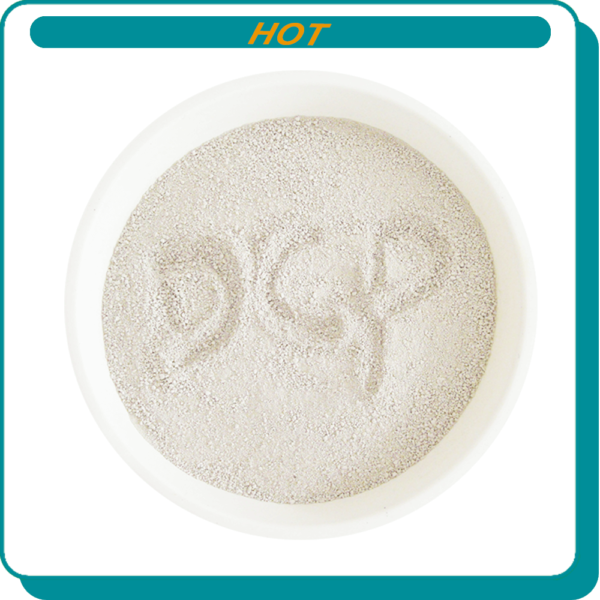
Choline, vitamins, and minerals give higher value per kilo, so they fit mixed pallets. The choline chloride 60% product, choline chloride benefits for poultry, animal feed guides, uses in animals, wholesale guide, and manufacturing process help plan line items. Vitamin and mineral premixes, poultry minerals and vitamins guide, chicken essential minerals, and dicalcium phosphate feed grade with the dicalcium phosphate guide link to price moves and MOQ bands.
MOQ protects factory time and lab work. The comprehensive feed additives guide and feed supplements boosting livestock nutrition show how many lines a plant can run. Species guides such as duck and goose requirements, turkey nutrition specs, layer hen standards, broiler grower matrix, and chick starter profile explain real demand behind each SKU.
For swine and cattle, feed additives for swine and feed additives in cattle show how full-truck orders build out. Trade stories in China feed additive export growth by category connect real export flows to MOQ bands. In practice, factories often allow 30–45% of “catalog MOQ” for test runs, then drop price as the importer moves to steady 10–20 ton cycles.
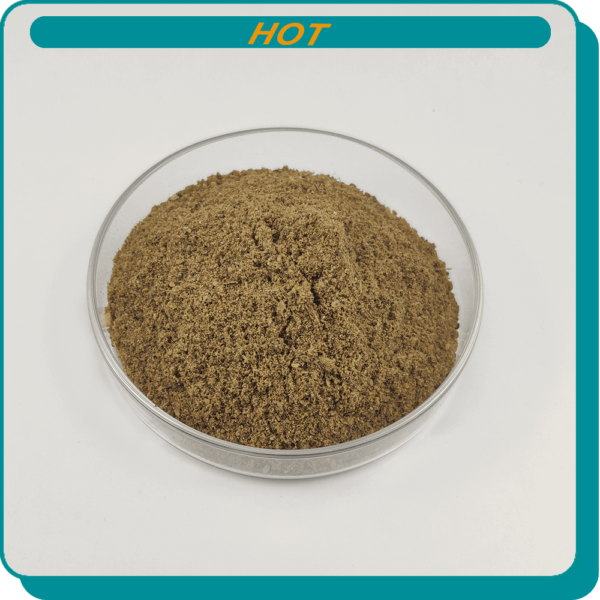
Good deals start with clear data. How to choose a supplier in China, working with sourcing agents in China, and blending custom premix formulas guide show how to match plant size, lab support, and target markets. Top 4 L-lysine HCl manufacturers in China helps compare offers for the same spec.
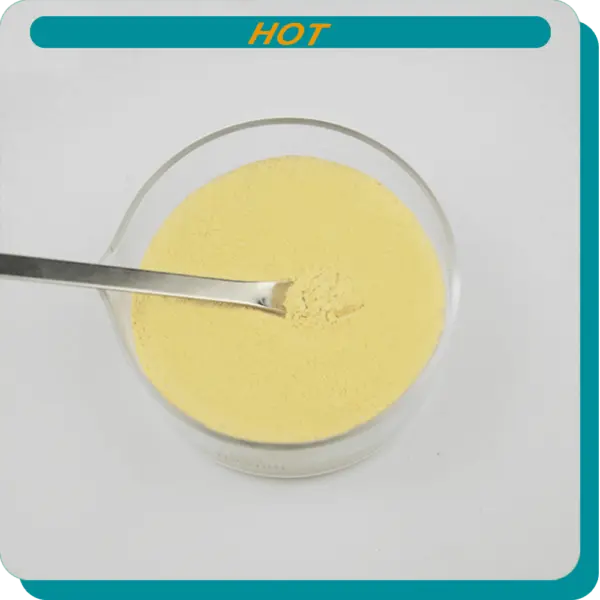
Storage and risk need care. The amino acid storage and shelf life guide and understanding the animal nutrition supplements page show safe holding times. Many importers cut first orders to 30–45% of catalog MOQ, like 5 tons instead of 10 tons of lysine, then scale. Others mix yeast, acids, and allicin garlicin in one container so each line stays small but freight stays full.

A safe partner shows clean papers. The COA page and MSDS library prove batch quality and safety for each shipment. Pieces like the benefits and uses of brewers yeast in animal feed, a comprehensive guide to feed yeast, and a comprehensive guide to choline chloride uses in animals show how real farms use these goods.
Species guides help check if a quote fits field need. Essential nutrients in chicken feed, chicken feed ingredients, nutrients, supplements, and recipes, the role of vitamins and minerals in chicken growth, and chicken essential minerals map feed specs. An importer can then match these needs to quotes on amino acids, yeast, acids, and minerals so each line item has a clear job.
Payment shapes both risk and final price. Market pieces like China feed additives, global feed additive trends, top export destinations for Chinese feed additives, and demanded feed additives in Africa, Middle East, Latin America show how many buyers work on T/T deposit plus balance.
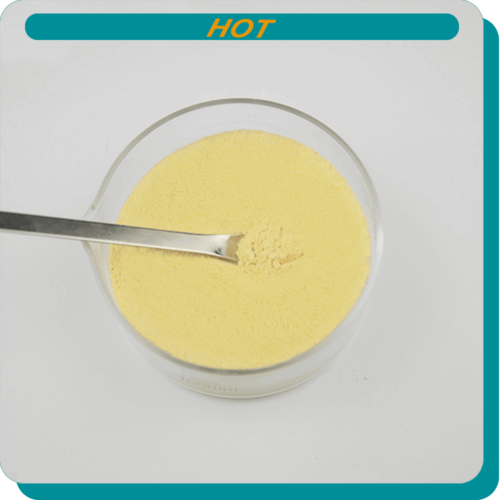
High-trust deals lean on L/C or credit days. Country-focused guides such as Philippines feed market overview and yeast distributor opportunities show how importers build steady flow and then ask for Net 30–60. Category pages like amino acids, natural feed additives, vitamins, minerals, and chemicals help group items into one L/C or one credit frame instead of many small deals.
Pangoo has shipped feed additives since 1993. The Pangoo home page, products overview, and blog show a full range across amino acids category, feed protein, vitamins, minerals, and natural feed additives. Export data in China feed additives and top export destinations prove global reach.
Species-level content such as feed additives for swine, feed additives in cattle, poultry feed formulation using yeast, lysine feed additives for animal health, choline chloride benefits, and a comprehensive guide to feed additives supports real feed mill work. With clear COA, MSDS, and flexible Bulk Pricing, MOQ & Payment Terms for Importers, Pangoo can link free samples, 5–10 ton test runs, and 20–100 ton volume plans into one long program.
Q1. What is the best starting MOQ for a new importer? Many first-time buyers start near 5 tons for main amino acids or proteins. This fits one line item and keeps cash risk small. Guides like how to choose a supplier in China and working with sourcing agents in China help match that MOQ to the right plant.
Q2. How can I lower MOQ without killing trust with the factory? Share a clear plan. For example, ask for 30–45% of catalog MOQ for the first order, with a written goal for 10–20 ton cycles later. Use data from global feed additive trends and your own market size to show growth.
Q3. Which payment terms are most common for feed additive imports from China? For small or first orders, T/T 100% or 50/50 is common. Once two or three clean deals are done, many partners move to 30/70. Bigger, steady orders for lines like L-lysine HCl 98.5%, corn gluten meal, or feed yeast can support L/C or limited credit days.
Q4. How do I link bulk pricing to real feed formulas? Use species tools such as the broiler grower matrix, duck and goose requirements, layer hen standards, and essential nutrients in chicken feed. Then pick items from amino acids, feed protein, and natural feed additives that hit those levels at the lowest landed cost.
Q5. Where can I see more technical and business guides before I place a bulk order? The Pangoo blog groups content by amino acids, yeast, choline chloride, organic acids, vitamins, minerals, and export trends. Strong entry pieces include a comprehensive guide to feed yeast, the ultimate choline chloride wholesale guide, and global feed additive trends. These help shape bulk pricing, MOQ & payment terms for importers before detailed quotes start.