| Key Takeaways | What Bulk Buyers Should Remember |
|---|---|
| Corn gluten feed (CGF) is a wet-milling co-product | It delivers protein + digestible fiber at a cost that often beats grains |
| Specs change by plant and blending ratio | Ask for guaranteed analysis and test each lot |
| Sulfur and phosphorus are the main risks | Control total dietary sulfur and keep Ca:P in balance |
| Wet vs dry CGF changes logistics and energy value | Wet can perform better in high-forage diets, but needs fast handling |
| Reliable supply needs process + paperwork | Require COA, MSDS, and QA records before signing contracts |
Corn gluten feed is a feed-grade co-product made from corn wet milling. Buyers use it because it brings moderate protein and fermentable fiber at a stable cost. That mix helps ruminants digest forage better than high-starch grains. CGF also fits feed mills that want to reduce soybean meal use without losing rumen health.
Most bulk buyers look at CGF as a protein-energy tool, not a “single nutrient” product. The value comes from how it behaves in the rumen. Fiber ferments in a steady way. It supports intake and reduces diet stress in many cattle systems.
For formulation teams, CGF becomes easier to use when it sits inside clear specs and repeatable supply. Pair it with strong amino acid feed formulation guidelines for balanced rations.
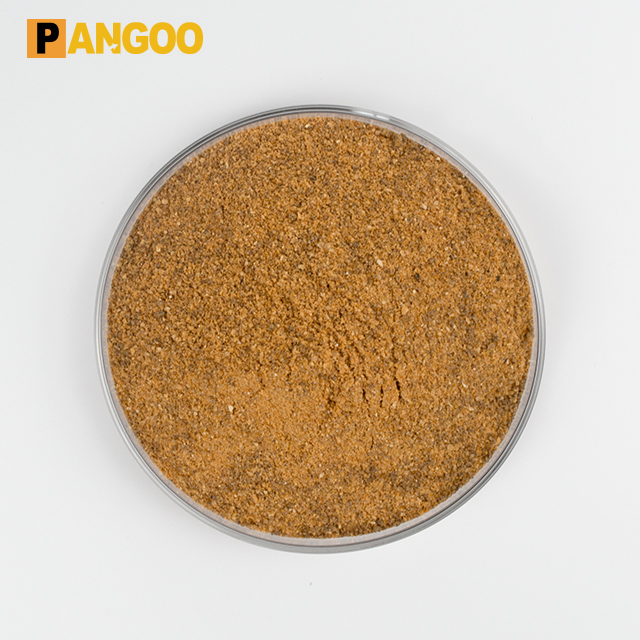
Corn gluten feed comes from a controlled wet milling line. Plants soak corn in steep water with sulfur dioxide. This softens the kernel and helps separate starch. The germ is removed for oil. Starch is refined for food and industry. The remaining parts become feed streams.
CGF usually blends corn bran fiber with steep liquor. Many plants target a two-thirds bran and one-third liquor ratio. But the blend can change with corn prices and demand for other fractions. That is why two “CGF” lots can look different on paper.
For importers, the big lesson is simple. You must treat CGF like a spec-driven ingredient, not a fixed commodity. Ask the supplier to show the plant flow and control points. Use feed additive manufacturing process and facilities as a reference.
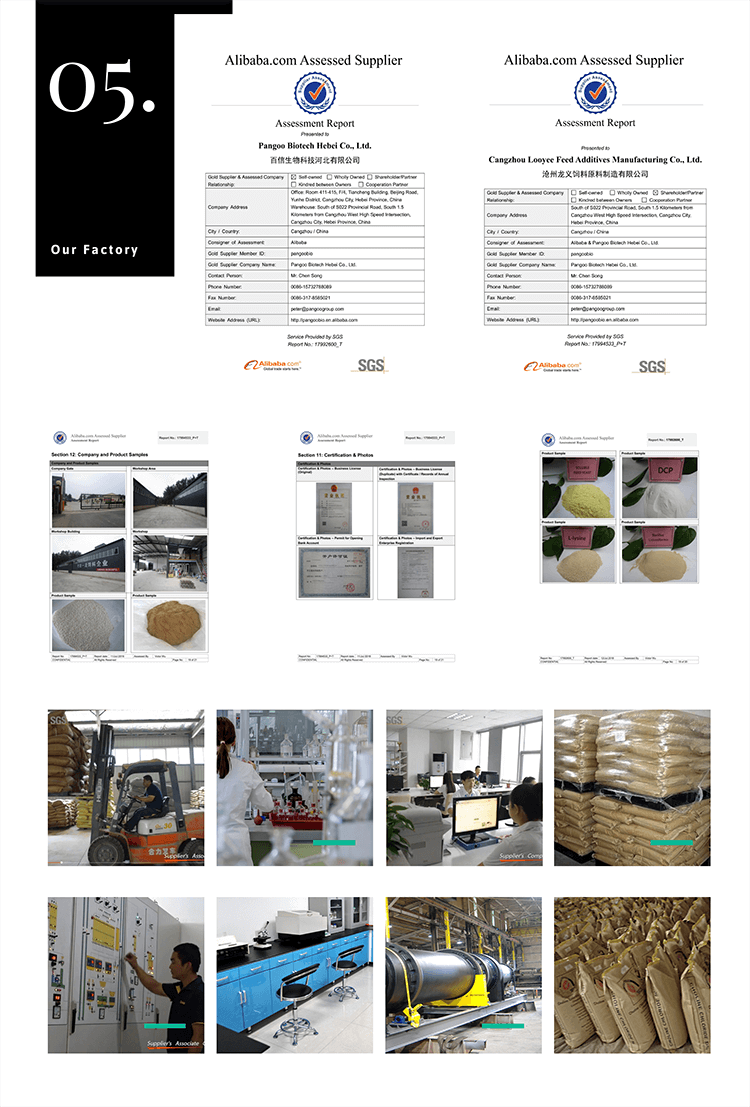
Bulk buyers should request a full nutrient panel with real limits. Dry CGF often sits near 90–92% dry matter. Wet CGF often sits near 40–44% dry matter. Crude protein commonly lands around 21–22% (DM basis), but ranges can be wider.
Key numbers that help the feed mill:
A practical spec table buyers can use:
| Item | Dry CGF Typical | Why It Matters |
|---|---|---|
| Dry matter | 90–92% | Freight and storage cost |
| Crude protein | 21–22% | Protein budget planning |
| NDF | ~33% | Fiber energy value |
| Phosphorus | 0.8–1.0% | Ca:P balance risk |
| Sulfur | 0.16–0.30%+ | Safety limit control |
For paperwork, match each lot with a certificate of analysis (COA) feed additive document.
CGF variability is normal because wet mills optimize extraction. When starch and oil margins rise, the plant may pull harder on those fractions. That can shift protein, fiber, and minerals in the CGF stream.
The steep liquor ratio also moves the numbers. More steep liquor can lift protein, sulfur, and minerals. Less steep liquor can drop protein but raise fiber share. Variability is not “bad,” but it must be controlled.
To reduce surprises, buyers can use three controls:
A good supplier shares test methods and keeps retention samples. For buyer protection, use amino acid quality control assay testing as a model for lab discipline.
When buying from China, strong QA becomes the price of entry. Use bulk feed additives manufacturer in China to compare capability.
Dry and wet CGF can both work. They solve different problems. Wet CGF has more moisture, so it behaves like a fermenting feed. It can deliver strong rumen performance in forage-heavy systems. Dry CGF ships better and stores longer, so it fits export lanes.
Many buyers compare cost “per ton” and miss the real math. You must compare cost per unit of nutrient and cost per kg of gain or milk. Dry CGF often has lower freight cost per nutrient over long distance. Wet CGF can win on feeding value when the farm is close to the plant.
For bulk trade, dry CGF dominates because it fits containers and bulk vessels better. Wet CGF needs faster turnover and better storage.
If your mill already trades co-products, compare CGF against DDGS bulk feed ingredient as a pricing reference.
Dairy buyers like CGF because it supports rumen function while replacing part of corn and soybean meal. In many farms, CGF fits best at 10–20% of diet dry matter for lactating cows. This level can reduce ration cost without pushing fiber too high.
CGF works well when forage quality is stable. It helps keep the rumen calmer than a heavy starch push. It can also support butterfat when the diet needs more fermentable fiber.
The ceiling shows up when CGF becomes a large share of the ration. Very high inclusion can cut energy density and reduce milk output. That risk grows when the ration lacks balanced amino acids like lysine and methionine.
Many dairy teams pair CGF with targeted amino acids like L-lysine feed grade bulk supply and DL-methionine feed grade specs.
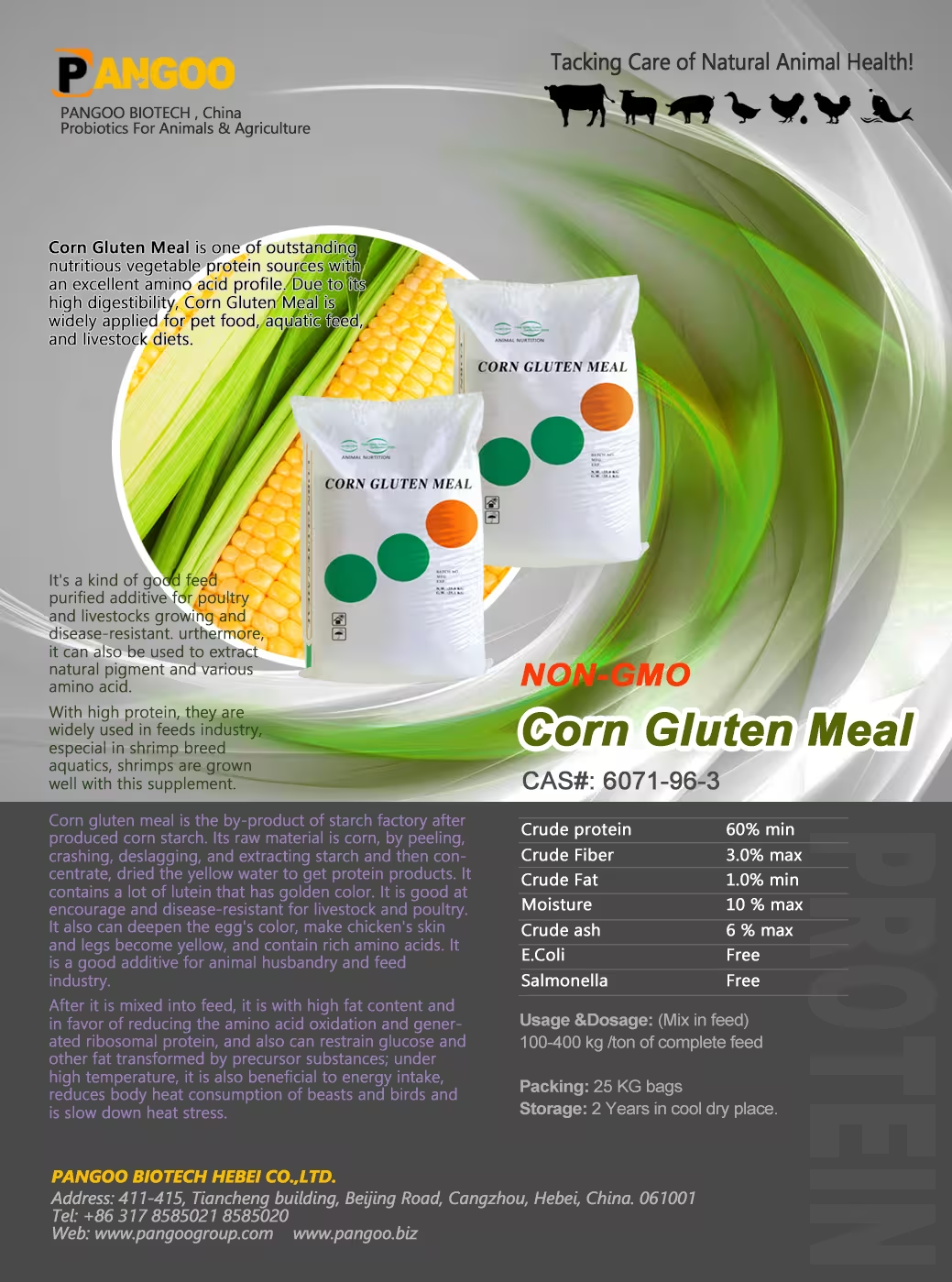
Beef systems use CGF in several ways. In growing diets with high roughage, CGF can replace a large share of corn without hurting gain. It provides fiber energy that fits forage-based growth. In finishing diets, wet CGF often helps reduce rumen stress from high grain. That can lift feed efficiency in some yards.
For pasture cattle, CGF works as a steady protein and energy supplement. It supports body condition when forage is low quality. Many producers like it because it does not crash fiber digestion like heavy grain feeding can.
Bulk buyers should match the product form to the channel:
If you sell to multi-species customers, note that poultry and swine often use higher-protein corn gluten meal, not CGF. See corn gluten meal feed for livestock.
Sulfur is the most important risk in CGF. It comes from sulfur dioxide used in steeping. If total dietary sulfur gets too high, cattle health can drop fast. That is why buyers must ask for sulfur on every COA and manage total sulfur from all sources.
Practical control rules used by many nutrition teams:
A simple buying habit helps a lot. Put sulfur as a pass/fail line in your purchase spec. If sulfur is high, blend CGF with lower-sulfur fiber sources before it reaches the farm.
When you ship internationally, ask for a clear safety document set like MSDS for feed ingredients. For buyer questions on compliance, use the FAQ for international feed additive buyers.
CGF often carries phosphorus above cattle needs. This can increase urinary stone risk in males and raise mineral waste. The fix is not complex. You must keep calcium and phosphorus in the right ratio.
Common working targets in ruminant diets:
If CGF pushes phosphorus up, add calcium in a controlled way. Many mills use limestone or dicalcium phosphate depending on the total mineral plan. If you source mineral inputs together, it reduces mix errors.
For bulk ingredient buyers, it helps when the supplier can bundle minerals with a consistent spec. See dicalcium phosphate feed grade product and the poultry minerals and vitamins guide.
Storage can make or break CGF economics. Wet CGF spoils faster. It needs silage-style storage and tight feedout speed. In hot weather, quality can drop in about a week. Dry CGF stores much longer when moisture stays low.
Dry CGF also has handling issues. Fine meal can bridge and settle in trucks. Pellets flow better but may cost more. Buyers should define the physical form in the contract.
Smart storage checks for dry CGF:
Packaging details matter for export. Review bulk pricing, MOQ, and payment terms before locking container plans.
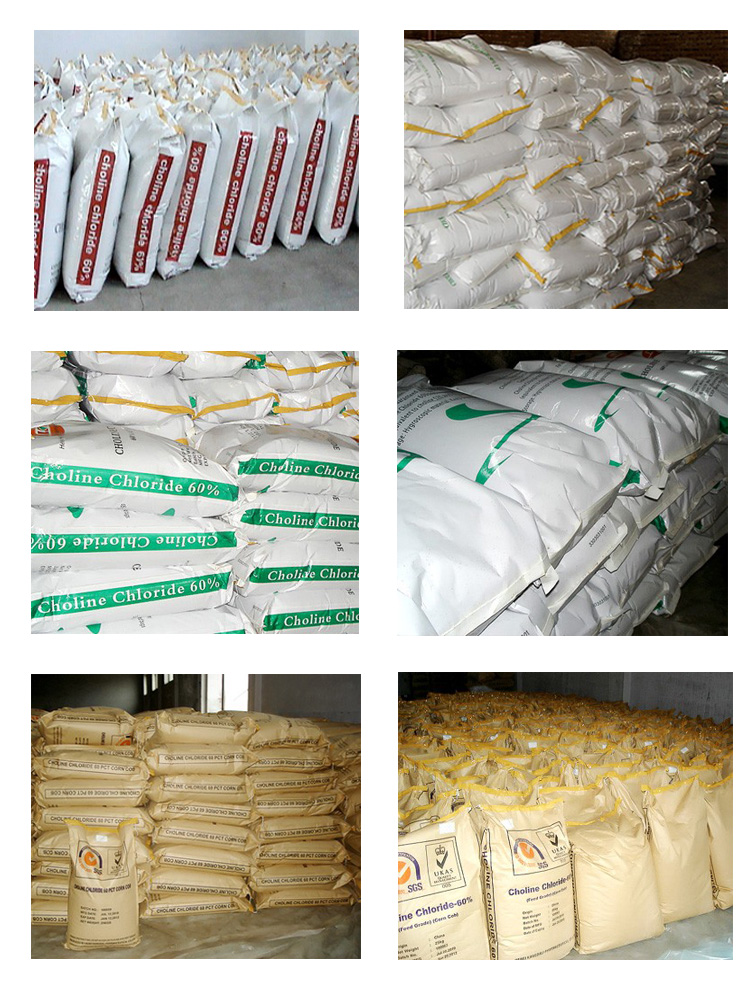
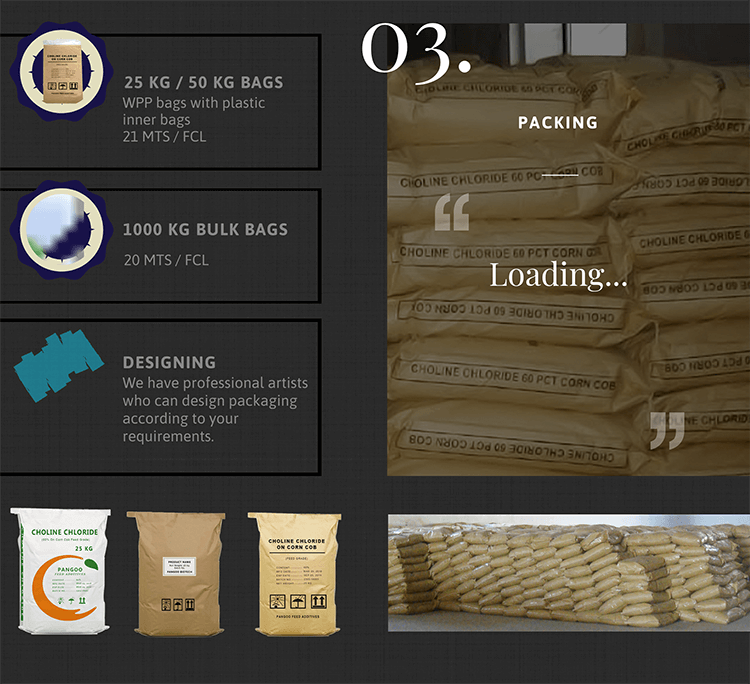
Corn gluten feed moves as bulk, big bags, or bagged pallets. Each option fits a different lane. Bulk vessels fit large importers with port discharge tools. Containers work for mixed cargo and faster customs handling. Bags help distributors who resell to smaller farms.
The document pack should match the buyer’s country rules. A clean export set often includes:
Labeling should also reduce confusion between CGF and corn gluten meal. Many end users mix the two names. Clear product naming avoids wrong application.
For distributors who handle multi-market loads, this helps: global markets and distributors served. For general trade logic, use why import feed additives from China.
The CGF market follows corn processing and livestock demand. When wet mills run hard, CGF supply rises. When starch markets slow, co-product output can shift. In Asia, demand grows with dairy scale-up and cost pressure in beef feeding.
Public price data for CGF can be thin. Many buyers use nearby co-products as indicators. DDGS and corn prices often help you forecast direction. Freight and season also change the landed number.
Useful buying habits for stable margins:
If your sales team also sells amino acids and co-products, build a wider basket strategy using amino acid feed additives supplier and the full products catalog.
Supplier choice decides most of your risk. Strong plants control blending and track every batch. Weak plants sell “spot” lots with big nutrient swing. A buyer can screen quality without fancy steps.
A simple supplier checklist:
Ask for photos and real proof, not slogans. Factory visuals, packing visuals, and a working QA set reduce surprises. Use feed additive manufacturing process and facilities and how to choose a supplier in China to benchmark suppliers.
Corn gluten feed has moderate protein and more fiber. Corn gluten meal is a higher-protein product and often targets poultry, swine, or specialty uses. A product guide can help teams avoid mix-ups.
Many diets keep CGF at 10–20% of dry matter for dairy cows. Beef diets may use higher rates in some systems. Always manage total sulfur and total minerals before pushing higher levels.
Sulfur can rise because steeping uses sulfur dioxide. High sulfur can hurt cattle health and can also reduce copper status. Buyers should require sulfur on every COA and control total dietary sulfur.
Use guaranteed analysis, lot testing, and supplier QA proof. A strong lab standard makes a big difference. See amino acid quality control assay testing.
Most buyers request COA, packing list, invoice, and MSDS when required. See COA documents and MSDS.
CGF is mainly used in ruminant diets. Poultry and swine often use amino acid balancing and different protein sources. A poultry amino acid guide helps formulation teams. See amino acid feed additives for poultry.
Bags work for distributors. Big bags fit bulk handling sites. Containers help mixed trade lanes. The right choice depends on your unloading tools and storage plan. Import terms guide: bulk pricing, MOQ, and payment terms.
Yes. Many high-performance rations use CGF plus targeted lysine and methionine support. See L-lysine feed grade bulk supply and DL-methionine feed grade specs.