| Topic | What you should know in 10 seconds |
|---|---|
| Role in nutrition | DL-Methionine feed grade is the key sulfur amino acid for poultry, swine and dairy. |
| Standard spec | DL-Methionine 99% feed grade is the global reference for purity and bioavailability. |
| Bulk price range | Typical bulk prices run from about USD 1.24–3.27/kg, depending on volume. |
| Best buyers for bulk supply | Feed mills, premix plants, importers and large farms gain the most from container orders. |
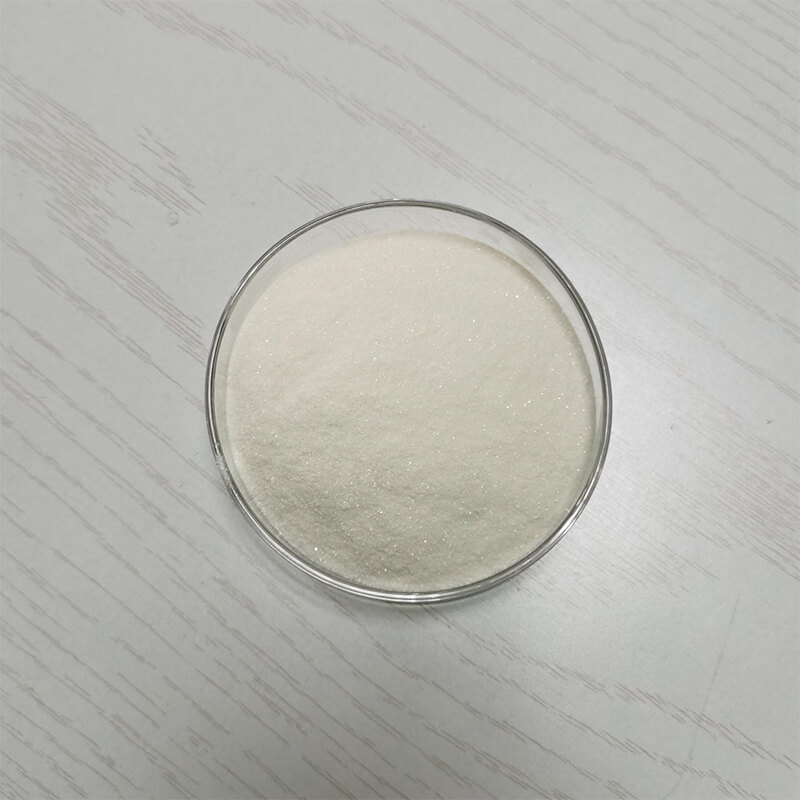
DL-Methionine feed grade is a white crystal. It carries sulfur. It fills the first methionine gap in many corn-soy diets. In simple words, it helps birds and pigs grow fast on less crude protein. That means better gain, cleaner litter, and lower feed cost per ton.
Feed mills use it as part of a full amino acid plan, along with lysine and threonine. For that plan, many nutrition teams start from an amino acid feed additives for poultry guide and then match it with the wider amino acids feed additives range. This keeps diets close to ideal amino acid ratios while still using local grains and by-products.
The common spec is DL-Methionine 99% feed grade. It has CAS number 59-51-8 and formula C5H11NO2S. Assay sits between 99.0–101.0% on a dry basis. Loss on drying is usually below 0.3–0.5%. Heavy metals keep under 10–30 ppm, and arsenic sits at very low trace levels. A 5% water solution gives a pH between 5.4 and 6.1.
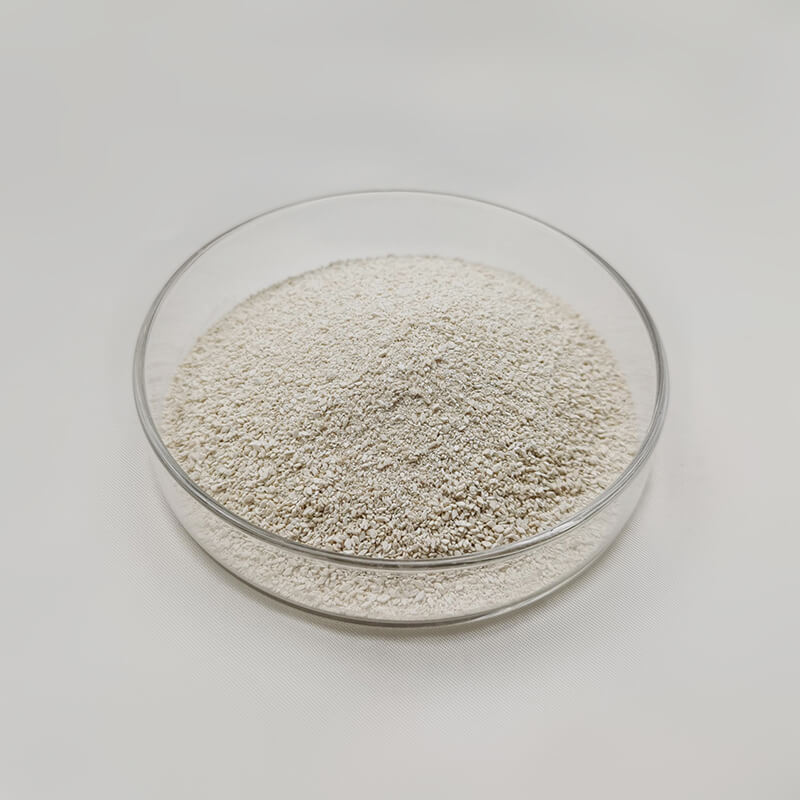
Each batch should come with a full COA for DL-Methionine feed grade plus safety data on the MSDS page. Buyers also look at the feed additive manufacturing process and facilities and the production flow chart to check consistency. In premix work, DL-Met sits beside key macro minerals like dicalcium phosphate feed grade and other vitamins and minerals.
DL-Methionine 99% is the reference point with 100% bioavailability by definition. Half the mix is L-form and half is D-form. The D-form still shows about 90% use in the bird. L-Methionine gives full direct use but costs more. Methionine hydroxy analogs show lower bioavailability and fit best in special dairy use or when liquid dosing is needed.
For broiler teams, the methionine broiler performance guide is a simple way to match methionine plus cysteine with live weight goals. Swine teams look at amino acid requirements for swine along with essential amino acids for animal nutrition. Many nutritionists then fine-tune ratios with lysine and threonine using the amino acid profiles for poultry and wider benefits of amino acids in livestock feed.

The DL-Methionine market sits in the multi-billion USD range and grows steadily as meat and milk demand rise. Most volume now comes from China. Plants in Shandong, Jiangsu and Zhejiang ship tens of thousands of tons per month. Export data in early 2024 showed strong growth with stable prices, even with large shipments.
For buyers, the key is to connect this supply base with a long-term partner. Pangoo explains its role as a bulk feed additives manufacturer in China and as a China feed additives exporter with clear data on China feed additive export growth by category. Market studies on global feed additive trends and demanded feed additives in Africa, Middle East and Latin America help importers map long-term demand.

Sample packs of DL-Methionine feed grade can cost USD 7.30–30/kg. Commercial buyers focus on the 1–20 ton zone, where prices usually sit between USD 1.24–3.27/kg, based on volume, terms and packing. Full container loads give the lowest landed cost per ton, often with bag or liner options.
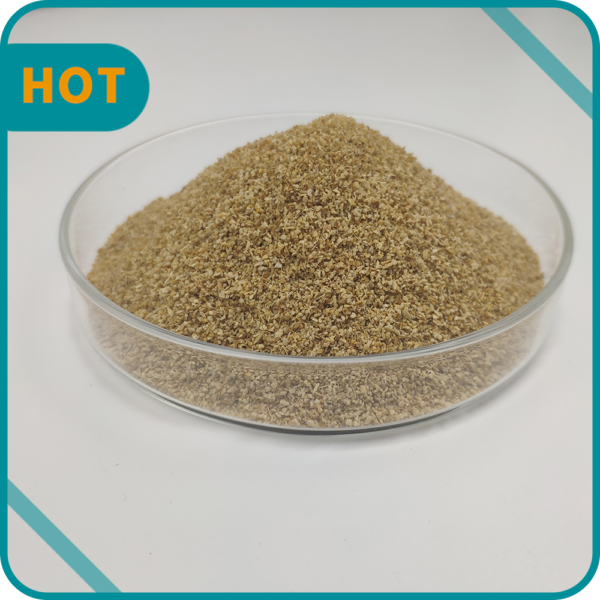
Importers can see clear ranges and terms on bulk pricing, MOQ and payment terms for importers. Common payment tools like L/C and T/T appear again in the FAQ for international feed additive buyers and in the guide on why import feed additives from China. If a buyer prefers to use a local contact, the guide on working with sourcing agents in China gives a simple checklist.
For broilers, methionine needs change fast. Starter diets usually run higher levels to support feather growth and organ development. Grower diets use methionine to sharpen FCR and daily gain. Finisher diets trim crude protein while keeping breast yield. You can follow simple targets in the methionine broiler performance guide and broiler grower matrix.
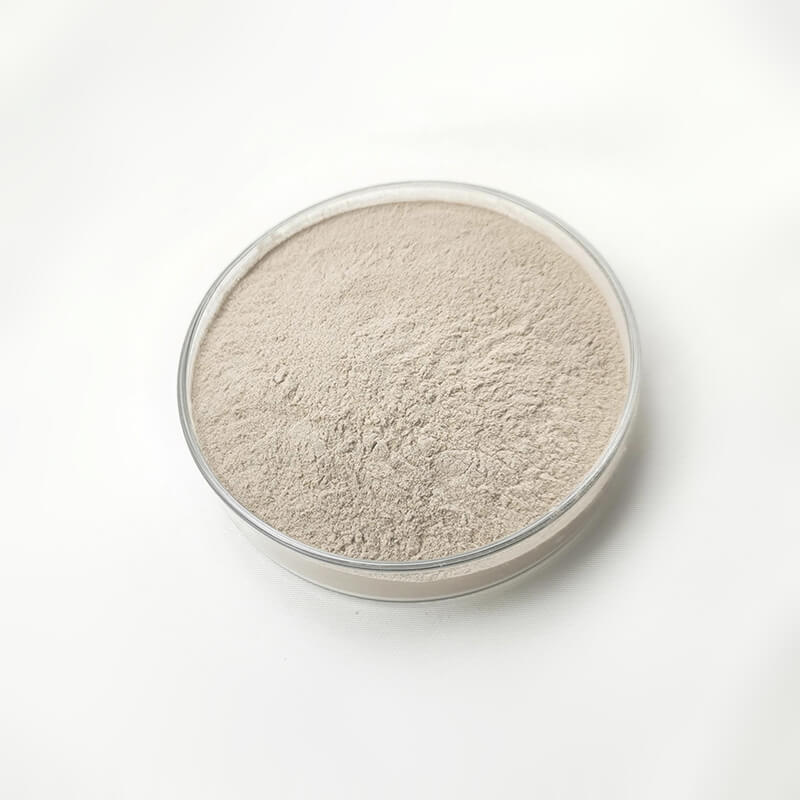
Layers, ducks and turkeys also need clean methionine supply. The lysine poultry nutrition guide, layer hen standards, duck and goose requirements and turkey nutrition specs show how to balance sulfur amino acids with other nutrients. For young birds, the chick starter profile and amino acid profiles for poultry help set the base.
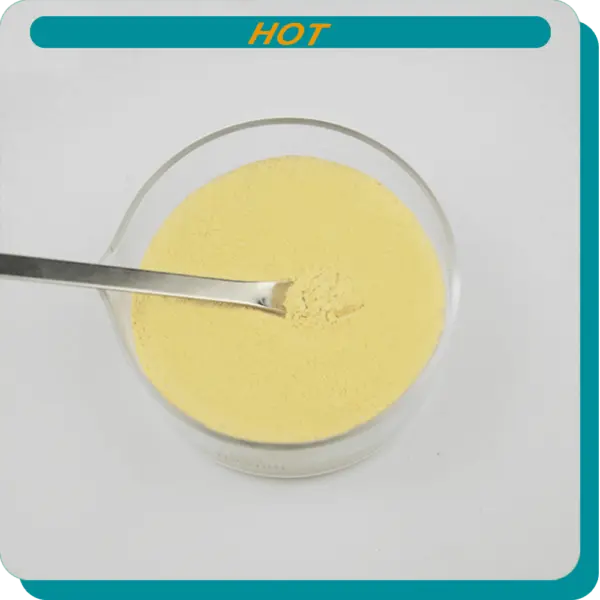
Many teams add organic acids and yeast to support gut health around these amino acid levels, using tools like the organic acids poultry feed guide, encapsulated organic acids guide, propionic acid for feed preservation, lactic acid in poultry diets, citric acid digestive efficiency guide and formic acid for antimicrobial control.
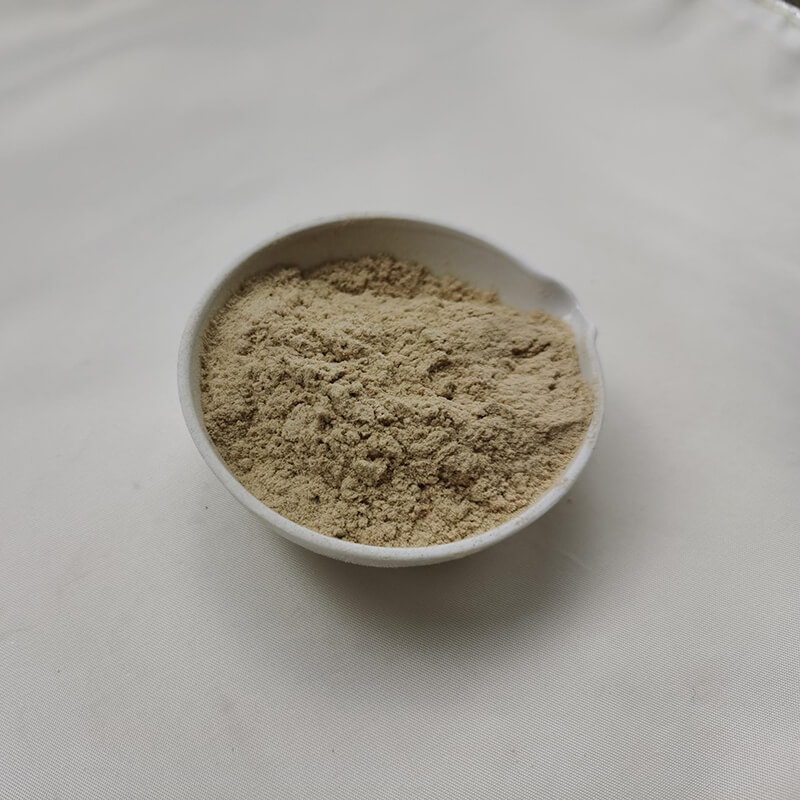
In swine, methionine is often the first sulfur amino acid to fall short once crude protein drops. A small step up in DL-Methionine feed grade, such as 0.05–0.15% of the diet, can cut feed cost per kg gain and improve lean deposition. You can see how this pairs with lysine in guides on lysine for animal feed supplementation and feed additives for swine.
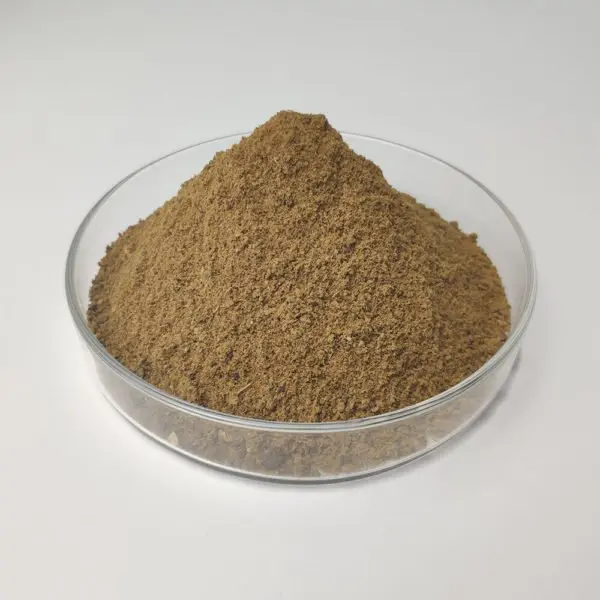
In dairy cows, rumen-protected methionine helps milk yield and protein percent while improving energy use in the rumen. That sits well with yeast tools such as optimal yeast feeding strategies for dairy cows, yeast for animal feed and feed additives in cattle. For pigs and ruminants, protein sources like meat and bone meal and fish meal often pair with synthetic amino acids to fine-tune the final profile.
Professional buyers expect full quality systems around DL-Methionine feed grade. This means ISO 9001, ISO 22000, HACCP, FAMI-QS and related food safety tools. Each lot needs a clean COA plus regular lab checks on purity, moisture and contaminants.

Pangoo explains its systems on the feed additive manufacturing process and facilities page, along with the production flow chart. Buyers can download COA samples and MSDS files to support audits. In premix plants, DL-Methionine sits inside full vitamin and mineral premixes and broader plans covered by a comprehensive guide to feed additives and feed supplements boosting livestock nutrition.
DL-Methionine feed grade usually comes in 25 kg bags with inner PE liners. Pallets carry 40–50 bags. A 20-foot container can hold 18–22 tons, and liners help cut unit cost. Lead time often runs 4–6 weeks from order to delivery, including sea time and customs.
Guides on bulk feed additives manufacturer China, global markets and distributors we serve and top export destinations for Chinese feed additives show how Pangoo ships to many ports. Storage rules are simple: keep bags dry at room temperature and avoid direct contact with water. The amino acid storage and shelf life guide explains how to keep DL-Methionine stable and easy to handle in any warehouse.
DL-Methionine feed grade works best as part of a full amino acid plan. Lysine sets the base for growth, threonine shapes gut health, and tryptophan supports stress control. You can see this in the amino acid feed additives for poultry, amino acid blends vs single additives guide and benefits of amino acids in livestock feed.
Key products that sit beside DL-Methionine include L-Lysine HCl 98.5%, L-Threonine feed grade, DL-Methionine 50%, feed yeast, Saccharomyces cerevisiae, soybean meal, corn gluten meal, fish meal, DDGS and other feed protein. These sit inside wider diet design tools like protein sources in poultry diets, essential nutrients in chicken feed, chicken feed ingredients and supplements and the role of vitamins and minerals in chicken growth.
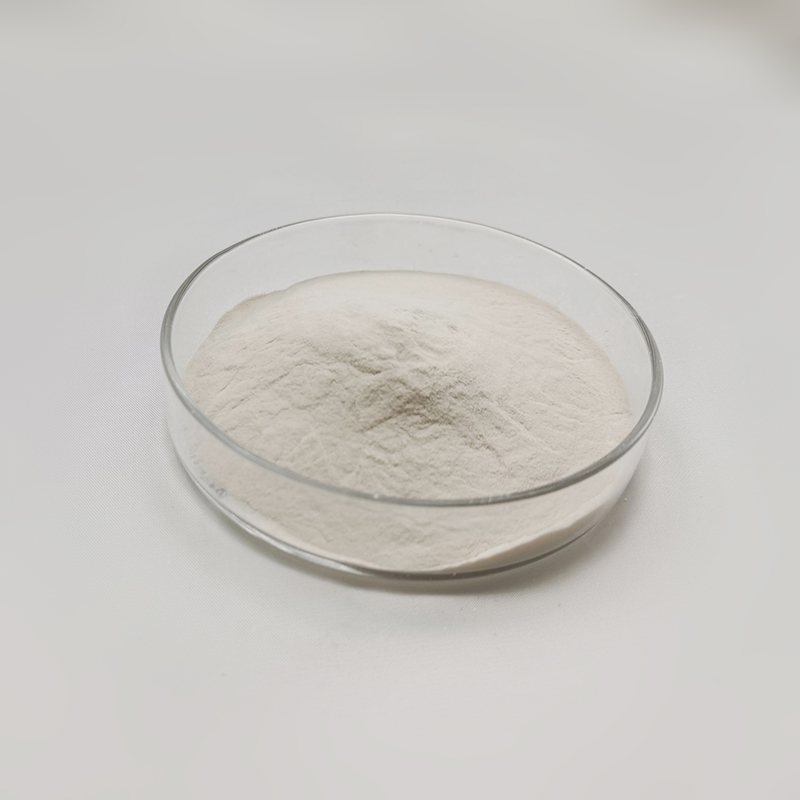
Yeast plays a strong support role in many of these diets. Pangoo offers deep guides such as a comprehensive guide to feed yeast, the benefits and uses of brewer’s yeast in animal feed, yeast for animal feed, feed yeast manufacturers guide, feed conversion and yeast, swine nutrition and feed yeast, poultry feed formulation using yeast, plus focused posts like boost your poultry business with brewer’s yeast and the top 5 benefits of using animal feed yeast.
Q1. What is the standard specification for DL-Methionine feed grade? The normal spec is DL-Methionine 99% feed grade. Assay is 99.0–101.0%, moisture is below 0.3–0.5%, and heavy metals sit at low ppm levels. Each lot should have a full COA plus MSDS before shipment.
Q2. How much DL-Methionine should I use in broiler diets? Most broiler plans set methionine plus cysteine as a percent of diet or relative to lysine. A simple way is to follow the methionine broiler performance guide and the broiler grower matrix. These tools give starter, grower and finisher targets that match live weight goals.
Q3. What is the normal shelf life of DL-Methionine feed grade? When you store bags in a cool, dry place and keep them sealed, shelf life is often up to 24 months or more from production. The amino acid storage and shelf life guide explains how to set warehouse rules for DL-Methionine and other amino acids.
Q4. What volume do I need to get good bulk pricing? Prices drop sharply once orders cross the one-ton mark and again at full container load. Details are on bulk pricing, MOQ and payment terms for importers and in the FAQ for international feed additive buyers. Many buyers also review why import feed additives from China before locking in long-term terms.
Q5. How does DL-Methionine feed grade fit into my full nutrition plan? DL-Methionine should sit in a full amino acid and vitamin plan that covers lysine, threonine, tryptophan, minerals and yeast. A good start is to use the amino acid feed additives for poultry, vitamin and mineral premixes and comprehensive guide to feed additives.