| Key Takeaways | What it means for buyers | What PANGOO should do |
|---|---|---|
| Feed yeast is a top antibiotic-free solution | Producers need gut health and stable performance without growth antibiotics | Sell feed yeast + yeast cell wall as a “clean growth” toolbox |
| Asia-Pacific is the fastest growth region | Poultry, swine, and aquaculture scale fast and fight tight margins | Focus on Thailand, Vietnam, Philippines, Indonesia first |
| ROI is easy to explain with FCR | Small FCR gains save real money at farm scale | Use simple trial reports and cost-per-bird math |
| Spent yeast is the best entry product | It is cost-friendly and easy to use in many feed mills | Lead with spent yeast, then add MOS/β-glucan lines |
| Specs and compliance decide repeat orders | Buyers ask for COA, safety limits, and stable quality | Standardize COA + HACCP + FAMI-QS workflow |


Feed yeast demand rises for one main reason: farms must keep growth and health high without antibiotic growth promoters. Producers still face the same problems, like diarrhea, slow growth, wet litter, and heat stress. They just need safer tools.
Feed yeast fits this gap because it supports gut balance and helps animals use feed better. That matters in poultry and swine where feed costs decide profit. In many markets, customers also want cleaner supply chains. They want stable quality, clear documents, and low risk.
PANGOO can win here by offering a simple, proven product story: better feed use, better gut stability, less stress loss. It helps that PANGOO already works in the feed additive space and understands buyer needs like MOQ, shipping, and documents.
Learn how buyers compare suppliers through international feed additive buyer FAQs and bulk pricing, MOQ, and payment terms.

Market reports do not agree on one feed yeast number. Some studies count only live yeast used as a probiotic. Others also include yeast derivatives, spent yeast, and yeast cell wall fractions. That is why 2025 estimates range from USD 1.5B to USD 3.5B, with many forecasts landing near USD 2.8B.
For planning, a mid-case model works best. It keeps targets realistic while still leaving room to scale if adoption jumps. Growth projections also vary, from about 4.6% to 10%+ CAGR, based on product scope and region.
What matters most is not the exact total. It is the direction of demand: farms need stable performance without antibiotics, and feed efficiency pressure keeps rising. That pushes repeat buying once a farm sees results.
For a broader view, track global feed additive trends and compare yeast against other natural feed additives.
Asia-Pacific is the strongest feed yeast growth driver because livestock scale is huge and efficiency matters every day. China’s antibiotic phase-out policies pushed many producers to rebuild gut-health programs. Other countries in South and Southeast Asia move in the same direction.
Feed yeast also fits the region’s economics. In big poultry systems, even a small feed conversion gain matters. A 2% improvement can mean tons of feed saved across a farm cycle. That turns yeast from “nice to have” into “budget approved.”
Aquaculture adds more upside. Asia produces most farmed fish, but feed additive use is still low in many areas. That gap creates a clear entry chance for a supplier that can explain dosage, mixing, and results in simple terms.
PANGOO should align yeast sales with its broader supply strength as a bulk feed additives manufacturer in China and show real coverage in global markets and distributors served.

Feed yeast helps animals in a few direct ways. First, it supports a healthier gut environment. A stable gut means better nutrient use and fewer “bad days” that lower growth. Second, yeast fractions like MOS and β-glucans can bind some harmful microbes and support the immune response. Third, yeast adds useful nutrients, like B vitamins and quality protein in spent yeast.
In real feed mill use, buyers care about one thing: does it keep results stable across stress? Stress can be heat, density, weaning, or feed changes. Feed yeast performs well because it supports the gut barrier and helps reduce digestive upset.
Many farms also pair yeast with acids and core nutrients. That makes the feeding program more complete.
For stacking options, compare yeast with organic acids for poultry feed and review core nutrition building blocks like essential amino acids for animal nutrition.
Poultry is the fastest “yes” market for feed yeast because results are easy to measure. Broilers often show better feed conversion and slightly faster weight gain. That saves money and improves turnover for integrators. Layers can also benefit, especially under heat stress, where production and shell quality may drop.
Yeast helps by supporting gut balance and reducing the chance of pathogenic bloom. This matters for Salmonella control and for reducing losses linked to gut damage. Many buyers like yeast because it is a natural tool that fits antibiotic-free positioning.
A practical tip from field work: feed mills adopt faster when the supplier gives clear mixing guidance and a short trial plan. Keep the trial design simple and track FCR, mortality, and uniformity.
Use this visual guide for diet design: 
Support a full program with amino acid feed additives for poultry and choline chloride benefits for poultry.
Swine buyers often start with yeast for one reason: weaning is risky. Piglets can lose appetite, and diarrhea can spread fast. Trials often show better daily gain and fewer digestive issues when yeast products support gut stability.
Feed yeast also fits finishing pigs in warm regions. Heat stress can cut intake and slow growth. Live yeast and yeast fractions can help keep performance steadier by reducing gut stress and inflammation load.
Swine customers like clear “money logic.” If yeast reduces diarrhea events, farms save on feed waste, treatment cost, and growth loss. Even small time-to-market gains matter because they reduce total feed days.
PANGOO can package swine yeast as a simple set: spent yeast for cost-friendly base nutrition, plus yeast cell wall for gut defense support.
Link yeast into swine feeding plans with feed additives for swine and essential balancing rules like amino acid requirements for swine.
Ruminants respond well to yeast because the rumen is a fermentation system. Small shifts in rumen pH can change fiber digestion, intake, and milk output. Many dairy operations use yeast to help keep rumen pH stable, especially when cows eat high-grain diets.
Better fiber digestion can raise energy supply to the animal. That supports milk yield and can improve milk fat. Beef systems also value yeast when feed efficiency is tight and stress events disrupt intake.
Ruminant buyers can be strict on proof. They want stable CFU counts for live yeast, clear storage conditions, and clean safety data. If pelleting heat is high, they may choose yeast derivatives instead of live products.
Use a product that matches the processing risk. If the mill pellets hot, yeast cell wall or spent yeast becomes a safer choice.
See species feeding ideas in optimal yeast feeding strategies for dairy cows and compare to other protein tools like DDGS for animal feed.
Aquaculture is still a low-additive market in many regions. Many farms focus on basic feed cost and water control. That creates a gap: gut health and microbial balance can improve growth and reduce loss, but adoption stays low without strong guidance.
Feed yeast can help fish and shrimp by supporting digestion and microbial stability. Farms also watch water quality. A healthier gut can reduce waste and support better system balance. Even small survival gains can be worth more than growth gains in high-density farming.
The key is dosage and consistency. Aquafeed plants may use extrusion, which adds heat stress. That makes spent yeast and yeast derivatives easier than live yeast unless the product is protected.
PANGOO can enter aquaculture through distributors that already serve feed mills. Start with one pilot farm per country and track growth, survival, and feed use.
Related feed protein references include fish meal supply and feed building blocks in 40 common feed ingredients.
Feed yeast is not one product. Buyers choose based on price, process, and the result they want.
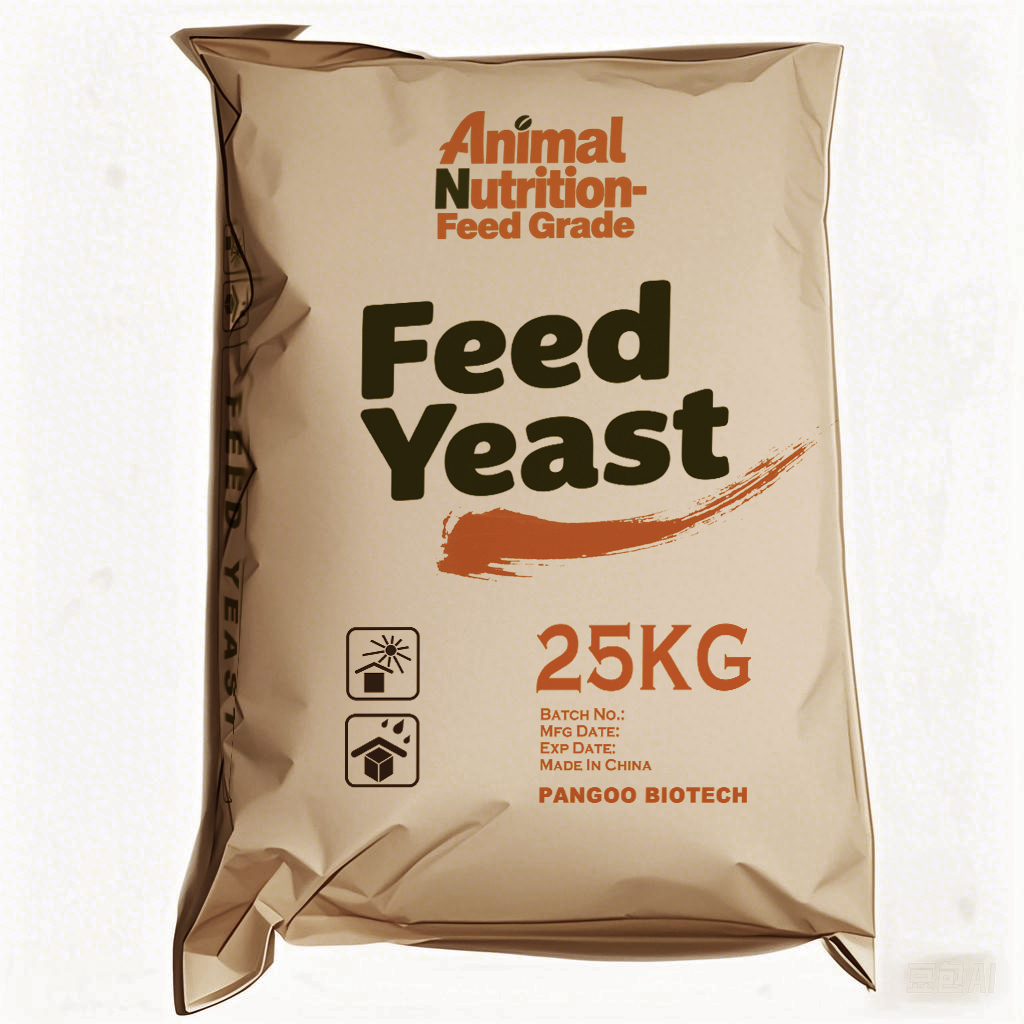
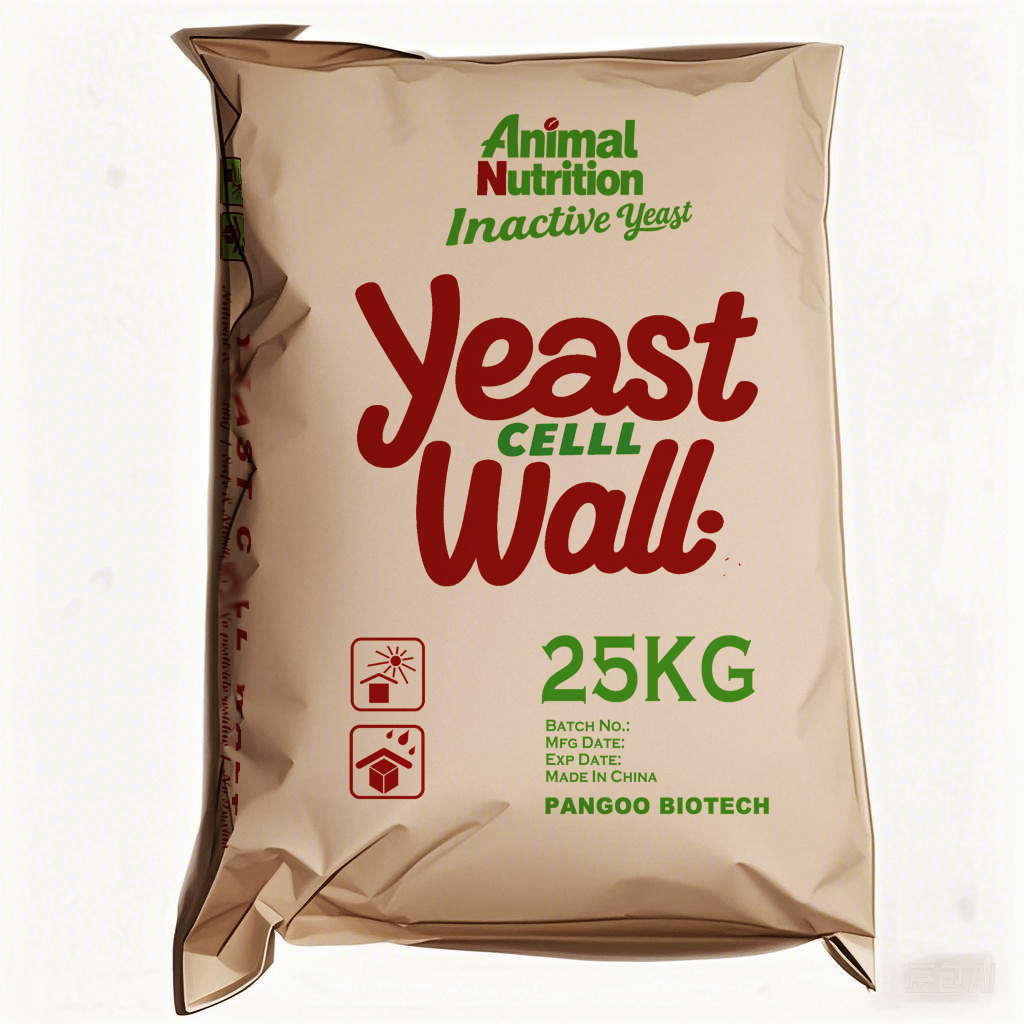
For fast market entry, spent yeast is the best base product. It is easier to produce, easier to store, and easier to explain. Then add yeast cell wall for premium customers who want stronger gut defense support.
Use these product visuals in buyer talks:

Many deals fail at the spec stage, not the price stage. Serious buyers check a short list of numbers. If those numbers stay stable, repeat orders follow.
For live yeast, viable cell count is the headline metric. Buyers often want around 10⁸ CFU/g or higher, depending on the product promise. For spent yeast, protein content and consistency matter more. Moisture should stay low enough to prevent caking and spoilage risk.
Safety is non-negotiable. Buyers want Salmonella and E. coli negative, plus mycotoxin control and clear heavy metal limits if required by local rules. Particle size also matters because poor size control causes segregation in transport and uneven mixing.
PANGOO should make QC simple for importers. Provide a clean COA, clear batch traceability, and stable spec ranges.
Show quality systems through amino acid quality control assay testing and share documentation access like COA support and MSDS files.
Feed yeast production needs strong fermentation control. Substrate quality, temperature, oxygen, and harvest timing all shape final consistency. Drying is another critical step. Too much heat can damage live yeast. Too little control can leave moisture too high.
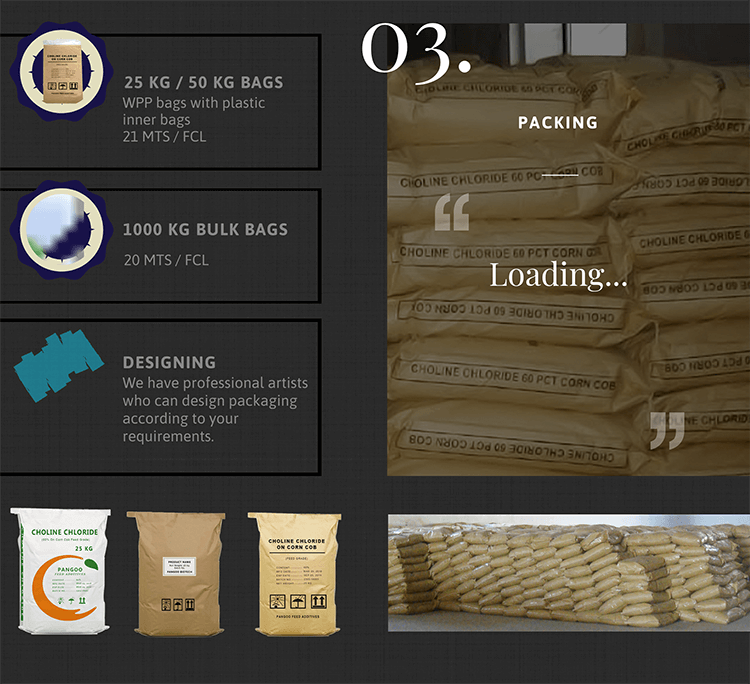
Buyers also care about packaging. Poor bags lead to clumping, odor issues, and short shelf life in humid climates. In Southeast Asia, warehouse conditions are often warm and wet. Good packaging and clear storage advice reduce claims and keep reputation strong.
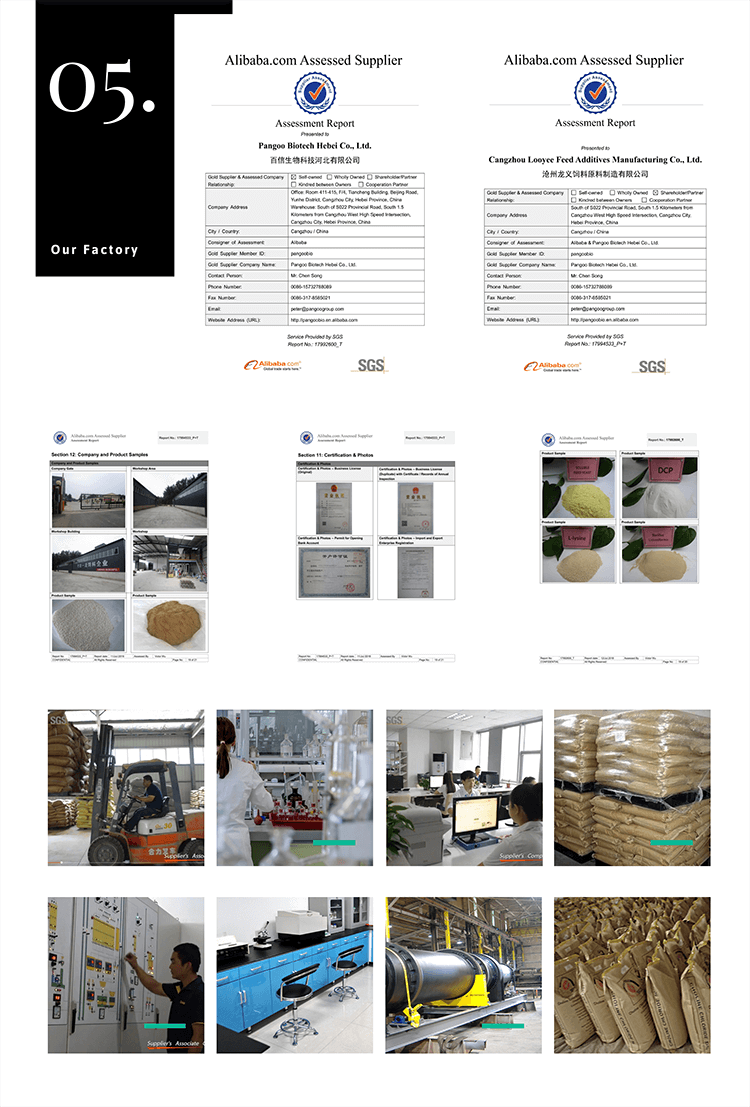
PANGOO can use its production base to build trust. Clear photos, clear process steps, and stable batch records matter for importers and feed mills.
Use these assets for credibility:
Support the story with feed additive manufacturing process and facilities and production flow chart.
Feed yeast may be “natural,” but the import process still needs strong documents. Many buyers ask for HACCP controls, ISO systems, and country-level registrations. For higher-standard markets, FAMI-QS is a key trust badge. It signals serious control over feed safety risk.
Country approvals also matter. Some markets require pre-registration before import, with local rules that vary. Buyers also want a Certificate of Free Sale, batch COA, and clear labeling.
The simplest way to reduce buyer friction is to prepare a fixed document pack:
This pack helps distributors close deals faster. It also reduces back-and-forth emails that slow shipments.
Importers who compare sources often ask why China supply works. Use why import feed additives from China and the broader China feed additives overview.
A good yeast launch is not a “big bang.” It is a repeatable process: pick the right segment, run a clean trial, lock the supply plan, then scale.
Start with integrated poultry producers and premium feed mills. They measure data and buy in volume. Build a 6–9 month trial plan that tracks FCR, mortality, uniformity, and gut health markers. Keep it simple and easy to repeat.
Pricing should support fast adoption. A small discount vs large multinationals helps first orders. After results prove value, price can move closer to market level. Distribution should mix direct sales for large accounts and partners for smaller mills.
PANGOO can also bundle yeast with core nutrition tools, which increases order size and keeps customers sticky.
Use credibility pages during negotiation: bulk feed additives manufacturer in China, products catalog, and how to choose a supplier in China.
Feed yeast supports gut balance, digestion, and feed use. Many farms use it to improve growth stability and reduce stress losses. A good starting product is feed yeast for livestock and poultry.
Live yeast can act like a probiotic, but it is sensitive to heat and handling. Spent yeast is cheaper, stable, and rich in protein and vitamins. For volume markets, brewer’s yeast for animal feed is often the easier first step.
Yeast cell wall contains MOS and β-glucans. These fractions support gut defense and immune response without needing live cells. It fits pelleted feed well. See yeast cell wall product details.
Inclusion depends on species, goal, and product type. Many poultry and swine programs test within a practical range and adjust based on results. A good way to plan diets is poultry feed formulation using yeast.
Key checks include protein, moisture, microbial safety (Salmonella/E. coli negative), and stable particle size. For live yeast, buyers also check CFU count. Ask for a clear COA from COA documentation support.
Distributors win when they sell clear results, not long theory. Use FCR math, a simple trial plan, and a steady supply offer. Helpful sales angles and market ideas are in yeast distributor opportunities.
Most buyers want COA, MSDS, spec sheet, and batch traceability. Regulated buyers may also ask for HACCP and FAMI-QS proof. Keep MSDS files ready for every shipment.
Yes. Many programs pair yeast with amino acids, organic acids, and vitamins/minerals for a balanced result. For example, align yeast with amino acid feed formulation guidelines and poultry minerals and vitamins guidance.