| Point | Why it matters |
|---|---|
| FAQ international bulk feed additives buyers factory questions usually focus on supplier checks, MOQ, payment terms, QC, and shipping documents. | These are the points that decide whether a deal is safe and repeatable. |
| China stays strong in amino acids, choline chloride, yeast, vitamins, minerals, and bulk feed proteins. | Importers can build a wider product line with fewer supplier gaps. |
| Good factories share COA, MSDS, batch data, and process details early. | Clear proof lowers risk before deposit payment. |
| First orders work best with samples, smaller trial lots, and third-party checks. | Buyers can test quality before moving to larger contracts. |
| A strong supplier relationship depends on product fit, clean documents, and stable communication. | Low price alone does not create long-term profit. |
International buyers ask many different questions, but most of them point to the same goal. They want to know if the factory is real, if the product is stable, and if the shipment can arrive with the right papers. That is why the phrase FAQ international bulk feed additives buyers factory fits real B2B trade well. Buyers are usually not looking for theory. They want proof they can use before they send money.
A good starting point is the main bulk feed additives manufacturer China page, then the broader FAQ international feed additive buyers resource. These pages help buyers move from a broad supplier search into practical questions about process, documents, and commercial terms. For importers, a factory is not just a source of bags. It is a source of product quality, paperwork, and long-term supply stability. That is why good questions at the start can prevent expensive mistakes later.
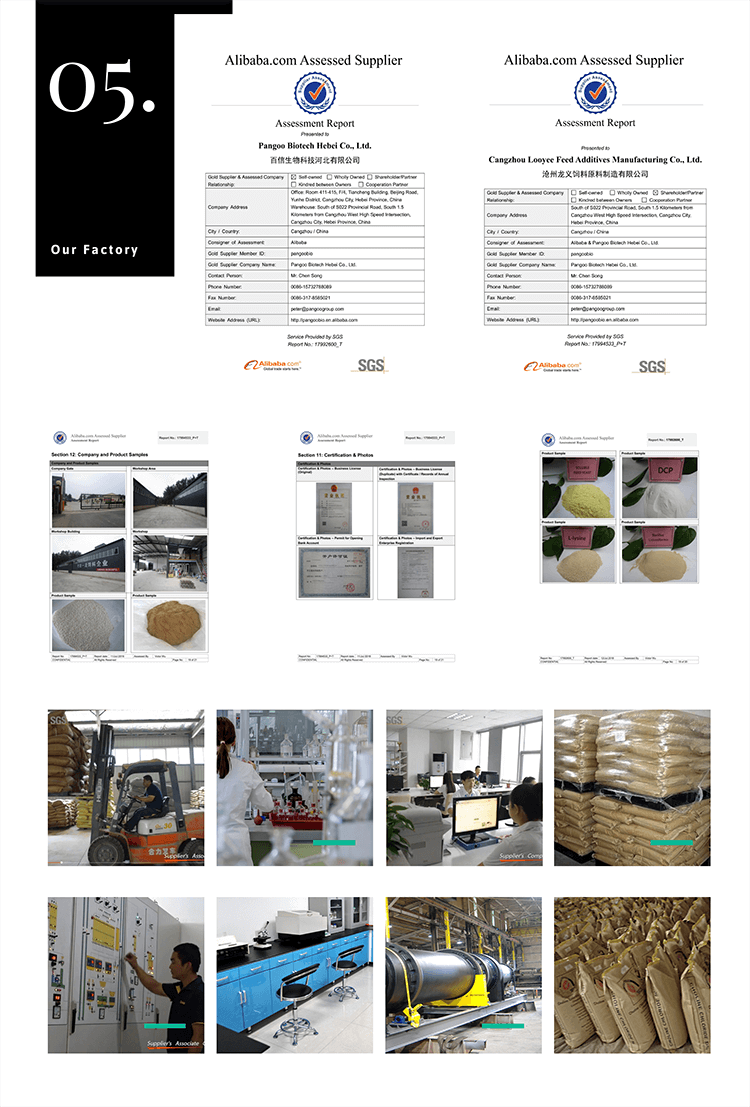
The fastest factory check starts with simple proof. Ask for the company name, website, product catalog, factory video, and export documents. Then compare those details with public listings, product pages, and contact data. A serious factory should answer in a clear way. It should not hide basic facts or avoid live proof. Many buyers also ask for a video tour, recent packing photos, and a copy of the company profile before discussing large orders.
This check becomes stronger when paired with pages like how to choose a supplier in China and working with sourcing agents in China. If the supplier claims strong production, it should also be able to show a production flow chart. That gives buyers a direct look at how materials move through the plant. Real factories usually welcome simple checks because they know transparency helps close better deals. Weak suppliers often change the subject when proof is requested.
Documents are one of the best ways to judge a supplier. A good bulk feed additive factory should be ready to share a recent COA, MSDS, specification sheet, packing details, and batch or lot information when needed. For some buyers, ISO, GMP, or FAMI-QS support also matters. The exact list depends on the product and destination market, but the supplier should never act surprised when these requests come in.
Useful checkpoints include the Pangoo COA and MSDS pages. Buyers comparing many products may also review the main products section to see if the documentation style stays consistent across categories. Good paperwork helps with customs, customer approval, and technical review. It also shows whether the supplier thinks like a long-term exporter or just a seller chasing one order. In feed additives, clean documents are often the difference between a smooth shipment and a long delay.
Quality control starts long before the final bag is sealed. Serious factories check raw materials, process conditions, and finished goods. They track moisture, purity, microbiology, particle size, and batch consistency based on the product. This matters because feed additives can fail in many ways. A batch may look normal but still have weak assay, poor stability, or handling problems during storage and shipping.
Buyers who want a deeper look should compare amino acid quality control assay testing with feed additive manufacturing process facilities. These pages help explain how process control affects product results. A strong supplier should also be able to explain how it handles out-of-spec material, retention samples, and third-party checks. Clear QC is especially important for repeat buyers. A distributor can survive one bad sample. It is much harder to survive unstable supply across many shipments. That is why quality systems matter as much as price.
MOQ often worries first-time buyers, but most factories use MOQ for real cost reasons. Small orders still need packing, lab checks, production planning, and line time. That is why many Chinese feed additive suppliers set MOQ by product, batch size, or pack style. A buyer should ask whether the MOQ is tied to factory production, warehouse handling, or export packaging. Those details can change how flexible the deal really is.
The best commercial guide here is bulk pricing MOQ payment terms importers, supported by the broader why import feed additives from China page. Many buyers start with trial volumes, then scale after lab review and early sales. That path works well because it protects cash flow and lowers first-order risk. A supplier that explains MOQ clearly is easier to trust than one that gives changing answers. In B2B feed trade, stable rules often matter more than a low opening quote.
Payment terms show how risk is shared between buyer and supplier. For first orders, many factories ask for T/T in advance, partial deposit plus balance before shipment, or 30/70 terms against documents. As trust grows, some buyers can move to better structures, especially when order size and trade history improve. A new buyer should not expect the best credit terms right away. It makes more sense to earn them through smooth repeat orders.
This topic connects well with bulk-feed-additives-pricing-moq-payment-terms-importers and the main bulk-feed-additives-china page. Buyers should also make sure payment milestones match document control. For example, the contract should clearly state which papers must be issued before final balance is sent. That keeps both sides aligned. Good suppliers understand that clean terms help both parties. They reduce confusion, protect cash flow, and make it easier to scale from test orders into long-term supply contracts.
Most buyer questions focus on staple products first. Amino acids are a major group because they are widely used in poultry, swine, and other livestock feed programs. Buyers often ask about lysine, methionine, and threonine because these products sit at the center of feed formulation and margin control. They also want to know about purity, form, storage, and how the product fits local feed programs.
The best internal path is to start with amino acid feed additives supplier lysine methionine, then review l-lysine feed grade bulk supply and dl-methionine feed grade specs bulk supply. Buyers who want formulation context can use amino acid feed formulation guidelines. These resources help buyers move from a product name to a buying decision. A good supplier should explain the business side and the technical side. It should not leave the buyer to guess how the product fits real feed use.
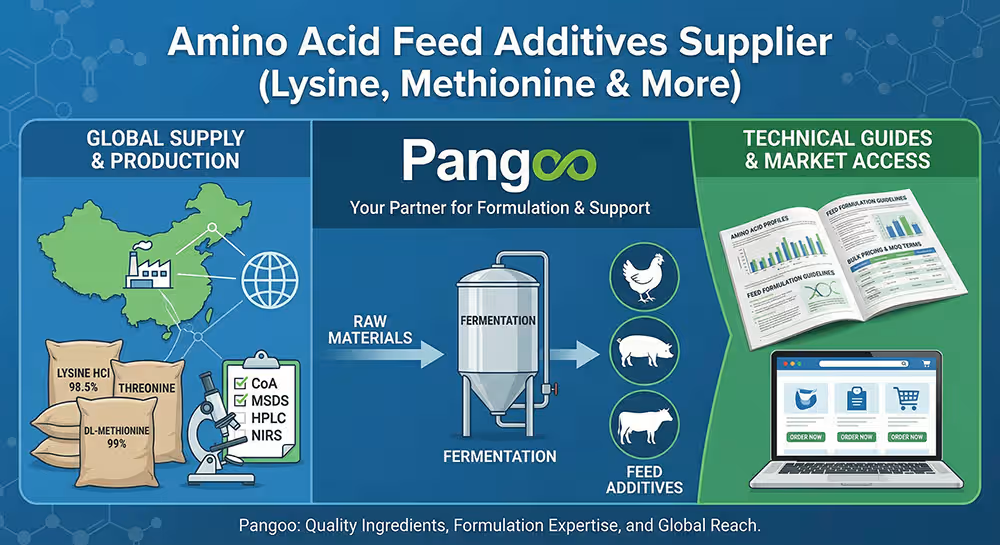
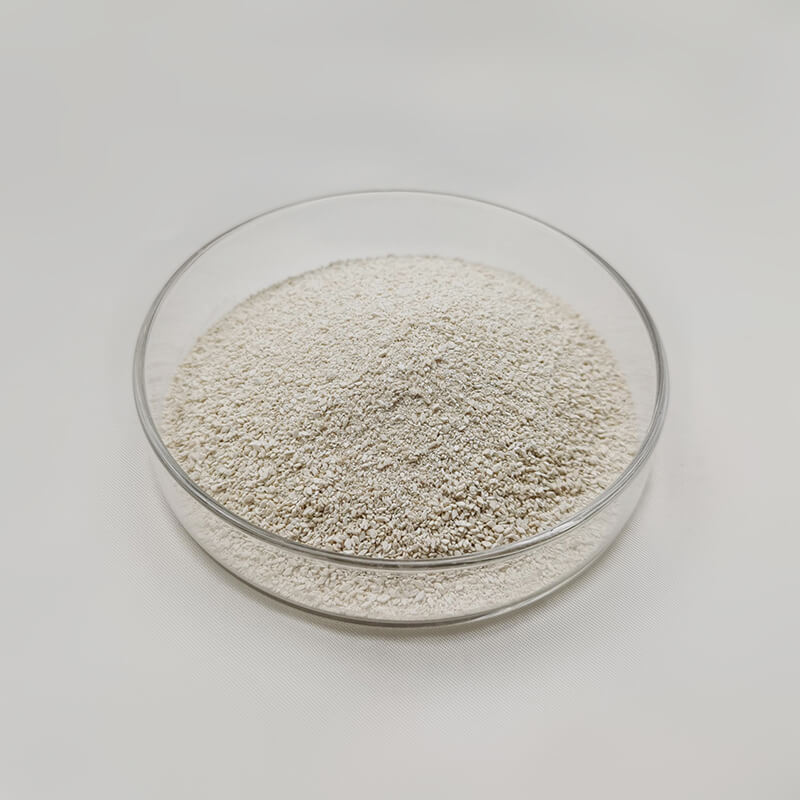
Amino acid offers should be compared on more than price per ton. Buyers need to check assay, moisture, particle condition, packaging, storage guidance, and document quality. They should also check if the supplier gives stable answers about production and traceability. A weak offer may look cheap at first but create more cost later through poor handling, weak field performance, or customer complaints.
For product-level review, buyers can compare product/l-lysine-hcl-98-5, product/dl-methionine-99, and product/l-threonine. Deeper use guidance is available in methionine broiler performance guide and threonine gut health broilers. This helps buyers understand why two products with similar labels may still perform differently in the field. Strong suppliers support that comparison with clean data. Weak suppliers usually push buyers back to price alone.
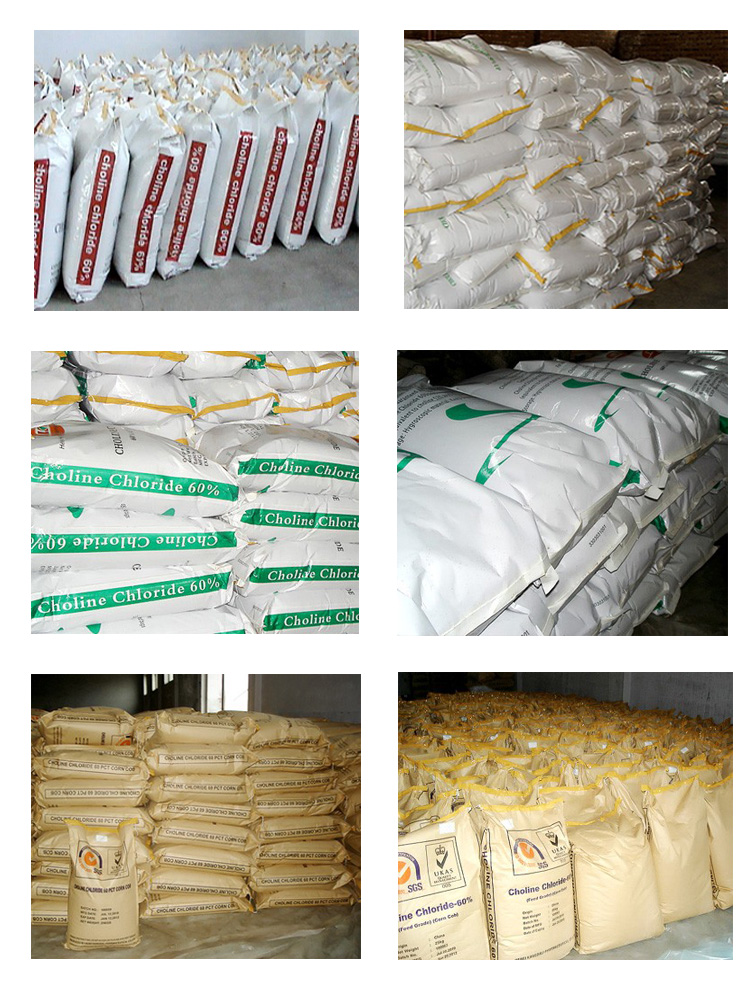
Choline chloride is a common buyer question because product quality can vary by carrier, moisture control, and handling quality. International buyers often ask about anti-caking, storage stability, and how the supplier manages packaging for long export routes. These questions matter because choline chloride can be easy to quote but harder to keep stable if factory control is weak.
A practical path is to review choline chloride animal feed guide together with choosing the best choline chloride supplier top factors to consider. Product buyers can also look at product/choline-chloride-60. These pages help buyers ask the right questions about carrier type, moisture limits, bag quality, and export readiness. Good suppliers should explain how the product is packed, stored, and tested. A buyer should never assume that all choline chloride offers are equal just because the label looks similar.
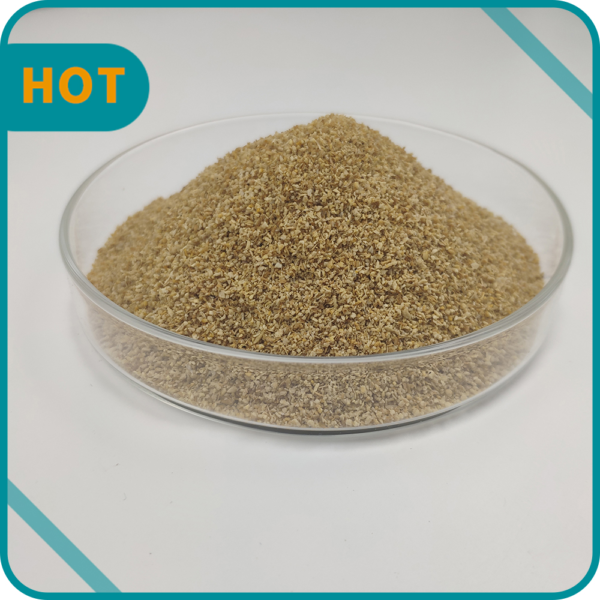
Many international buyers start with amino acids and then widen the order. This is where yeast, vitamins, minerals, and feed proteins become useful. A broader basket can improve shipment efficiency and help the buyer serve more customer needs with one supplier relationship. It also makes it easier to build distributor programs for poultry, swine, dairy, and mixed livestock markets.
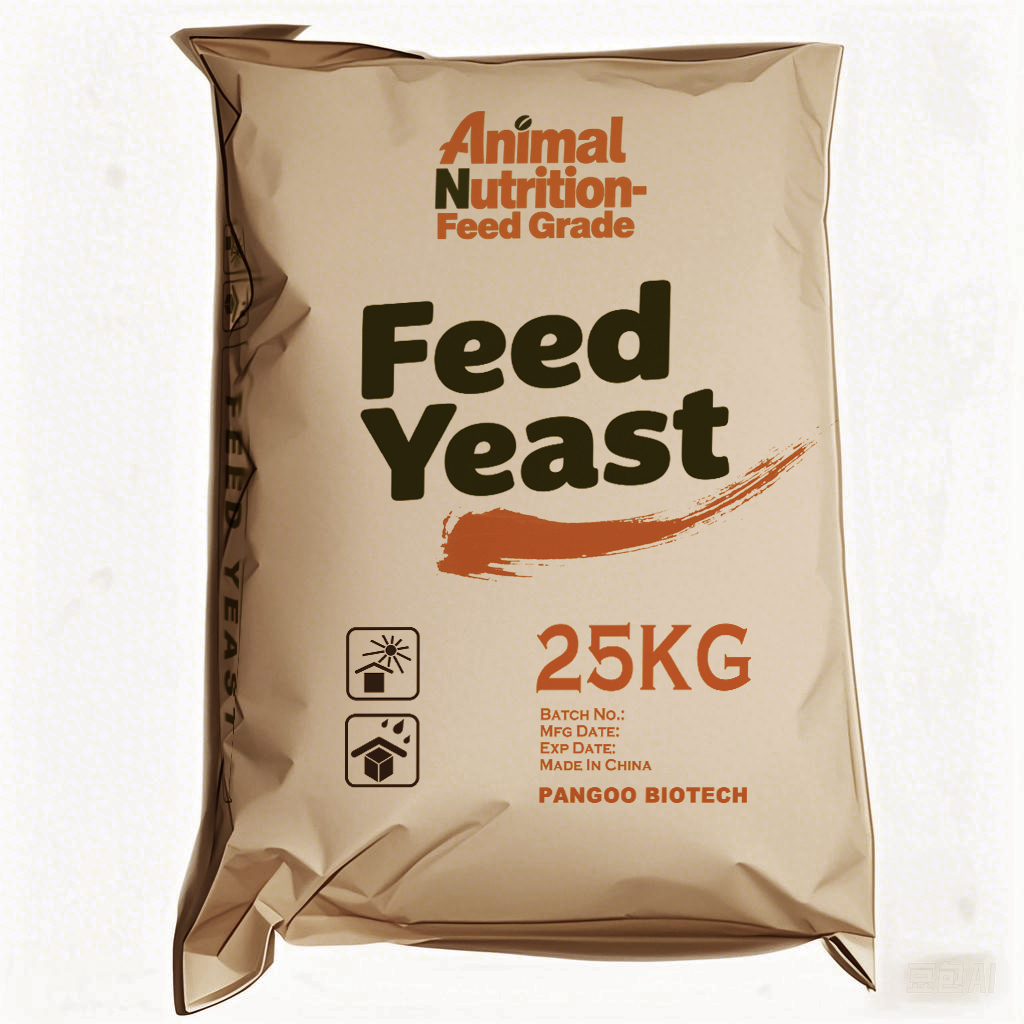
Useful entry points include product/feed-yeast, vitamin-mineral-premixes, and product-category/feed-protein. Buyers who want more market context can also explore feed supplements boosting livestock nutrition and poultry minerals vitamins guide. A wider order only makes sense when the factory can support each item with real proof and stable communication. A broad catalog is helpful. A broad catalog with weak control is risky. Buyers should always separate the two.
Import and logistics questions usually come after the buyer trusts the factory and product. At that stage, buyers want to know the export port, lead time, packing style, pallet rules, customs documents, and how the supplier handles delays. These questions are easy to overlook at the start, but they often shape the real landed cost more than small price changes on the quote.
The best internal support pages here are global markets distributors we serve and top export destinations Chinese feed additives. Buyers looking at regional growth can also review demanded feed additives Africa Middle East Latin America. A good supplier should be able to explain shipping timelines in a simple way, with clear port choices and packing details. It should also help the buyer match order timing to inventory planning. Smooth export work is a big part of good factory service, even when the product itself is strong.
Bad quotes often reveal themselves early. Watch for unclear company names, missing product details, no recent COA, vague MOQ answers, and pressure to pay fast without enough proof. Another common red flag is a supplier that avoids live video, recent packing photos, or direct answers about the production site. These signals do not always mean fraud, but they do mean the buyer should slow down and verify more.
Buyers can strengthen their review by checking china feed additives and global feed additive trends. These resources help place the quote inside a larger market picture. If the supplier’s numbers or claims look too far outside normal market patterns, that is worth a closer look. A safe deal should feel clear on paper. The specs, terms, and documents should point in the same direction. When the quote creates more questions than answers, the best move is usually to pause, verify, and request stronger proof.
First-time buyers do best with a simple, staged process. Start with product selection, then request documents, ask for samples, confirm the MOQ and payment terms, and move to a trial order before discussing larger contracts. This process helps both sides learn how the other works. It also gives the buyer time to test quality, storage, and customer response without taking full-container risk too early.
The clearest starting points are bulk feed additives manufacturer China and the Pangoo homepage. Buyers who want product-specific paths can move from there into china-feed-additives or blog. A good factory relationship grows through clean steps, not guesswork. First orders should feel controlled and easy to review. When the supplier answers clearly, shares proof early, and respects the buyer’s process, the chance of a long-term partnership becomes much higher.
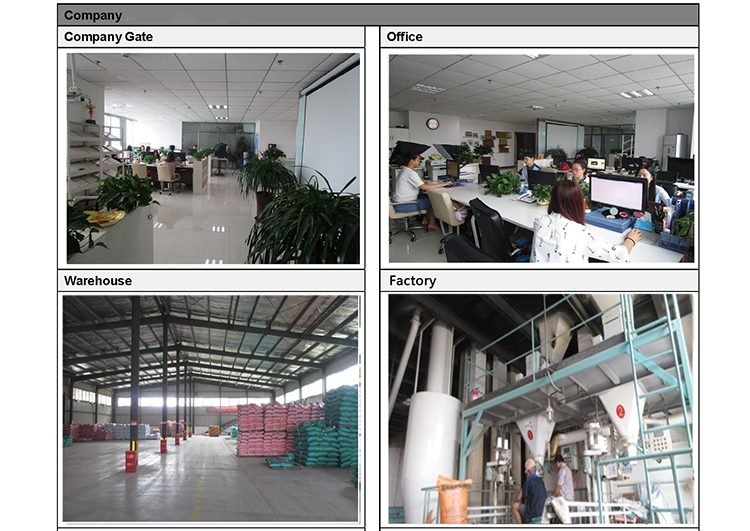
Start with the company name, website, product pages, factory video, and recent export documents. Then compare that proof with how to choose a supplier in China and the supplier’s production flow chart. A real factory should answer basic verification questions clearly.
Most buyers ask for COA, MSDS, product specifications, packing details, and batch information. Good places to review expected proof are the Pangoo COA and MSDS pages. Buyers may also request quality certificates based on market needs.
MOQ depends on the product, packaging, and production type. The best way to understand it is through bulk pricing MOQ payment terms importers and why import feed additives from China. Many buyers start with a smaller trial order before scaling up.
Amino acids such as lysine, methionine, and threonine are among the most common. Buyers often begin with amino acid feed additives supplier lysine methionine and product pages for L-lysine HCl 98.5% and DL-methionine 99%.
Check carrier type, moisture control, anti-caking performance, packaging, and recent documents. Useful references include choline chloride animal feed guide and product/choline-chloride-60. Stable handling is just as important as the label.
Use a staged process: request documents, test samples, confirm payment terms, and place a trial order before larger contracts. Buyers can start with bulk feed additives manufacturer China and faq international feed additive buyers to build that process.