| Topic | Why it matters for buyers | Helpful Pangoo links |
|---|---|---|
| Quality checks | Strong QA cuts risk of rejects and recalls. | COA · MSDS |
| Choosing suppliers | A good China partner saves time, money, and stress. | China feed additives · how to choose a supplier in China |
| Prices & MOQs | Smart terms protect margin and cash flow. | bulk pricing, MOQ, payment terms |
| Product mix | Right amino acids, yeast, and acids help you win local markets. | amino-acids feed additives · feed yeast guide |
| Long-term support | Good content and premix help grow sales year after year. | global markets & distributors we serve · blog |
Every importer worries about quality. A clear system makes this simple. Start with the plant. Pages like the feed additive manufacturing process and facilities and the production flow chart show how raw material turns into finished feed additives under fixed steps.
Next, lock in documents. The COA library and MSDS files give batch data and safety notes. Serious buyers also study China feed additives and global feed additive trends to see which products grow fast in each region. I see the best importers turn these pages into their own “checklist” before they sign any contract.
Quality is more than a logo on paper. You need real tests. For mineral and vitamin blends, buyers often pair vitamin-mineral premixes with extra lab checks on heavy metals. This is vital for high-dose lines.

Good practice is simple: ask for third-party tests on lead, arsenic, cadmium, and mercury. Confirm that batch numbers on the COA match the labels on bags. For bulk protein sources like DDGS and meat and bone meal, smart importers test first shipments at local labs before they scale. One client I worked with cut claims to zero by making this lab step a fixed part of every new product launch.
Feed-grade and food-grade are not the same. Feed-grade products, such as L-lysine HCl 98.5% or DL-methionine 99%, match animal rules and price points. Food-grade follows stricter human food laws and costs more.
Your first job is to match grade with use and target market. For EU and strict markets, buyers study China feed additive export growth by category and top export destinations for Chinese feed additives to see which feed-grade items already clear those borders. Guides like a comprehensive guide to choline chloride uses in animals support label and dossier work for both feed-grade and special lines.
Strong sourcing starts with the right partner. Pages like why import feed additives from China and China feed additives show why many buyers still rely on Chinese plants for lysine, threonine, yeast, and proteins.
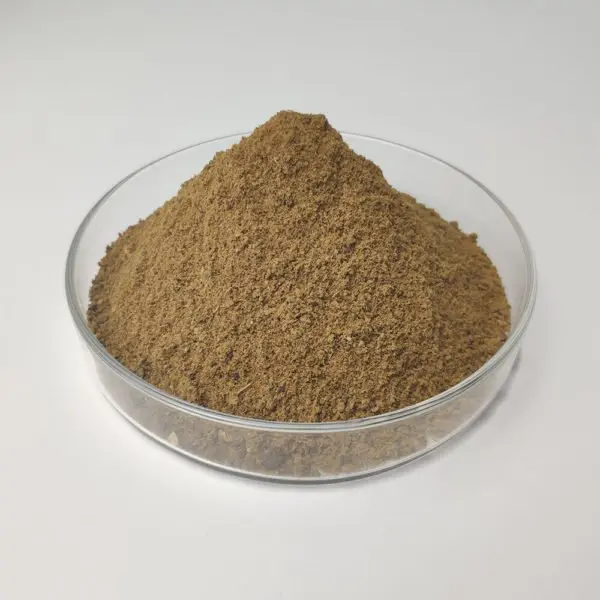
To cut risk, importers follow clear steps. They read how to choose a supplier in China, then link that with working with sourcing agents in China. For plant background and range, they scan the products hub and blog. I see many midsize buyers start with one or two key SKUs, then grow to full lines after a year of smooth shipments.
Price, MOQ, and terms can decide if a deal works. The guide on bulk pricing, MOQs, and payment terms for importers shows common patterns, from first test orders to full-container contracts.
Many buyers start with 30% deposit and 70% after inspection. Some add third-party QC before release. Product choice also shapes price. Base lines such as corn gluten meal, DDGS, and soybean meal move in full containers with tight margins. Higher value items such as feed yeast and Saccharomyces cerevisiae give more room for profit. Smart importers mix both types in each shipment.
Lead time is more than sailing days. You must count production, tests, shipping, and customs. For most feed additives, you should plan six to nine weeks from order to arrival.

Storage is part of this plan. The amino acid storage and shelf life guide explains how light, heat, and moisture affect lysine, threonine, and methionine. For premix work, blending custom premix formulas and feed supplements boosting livestock nutrition show how to combine additives while keeping stability. Many importers work with one forwarder and one inspection firm. This keeps roles clear and helps avoid mixed messages during port checks.

A good FAQ for International Feed Additive Buyers must cover target species. Poultry integrators look at duck and goose requirements, turkey nutrition specs, layer hen standards, broiler grower matrix, and chick starter profile.
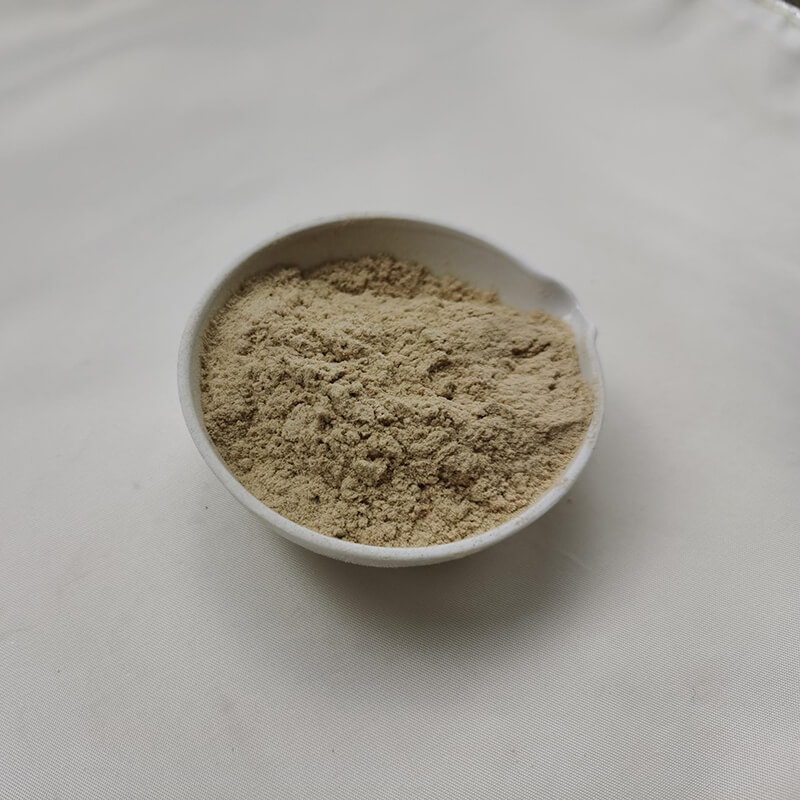
These tools pair well with poultry minerals and vitamins guide and essential nutrients in chicken feed. For swine and cattle, buyers use feed additives for swine, feed additives in cattle, and understanding the animal nutrition supplements. Many partners print key tables from these pages and hand them to farm clients as a simple “spec map” for each species.
Amino acids sit at the core of most import lines. The amino-acids feed additives guide and essential amino acids for animal nutrition explain how lysine, methionine, and threonine shape gain and feed cost. Poultry buyers also read lysine poultry nutrition guide, methionine broiler performance guide, and threonine gut health in broilers.
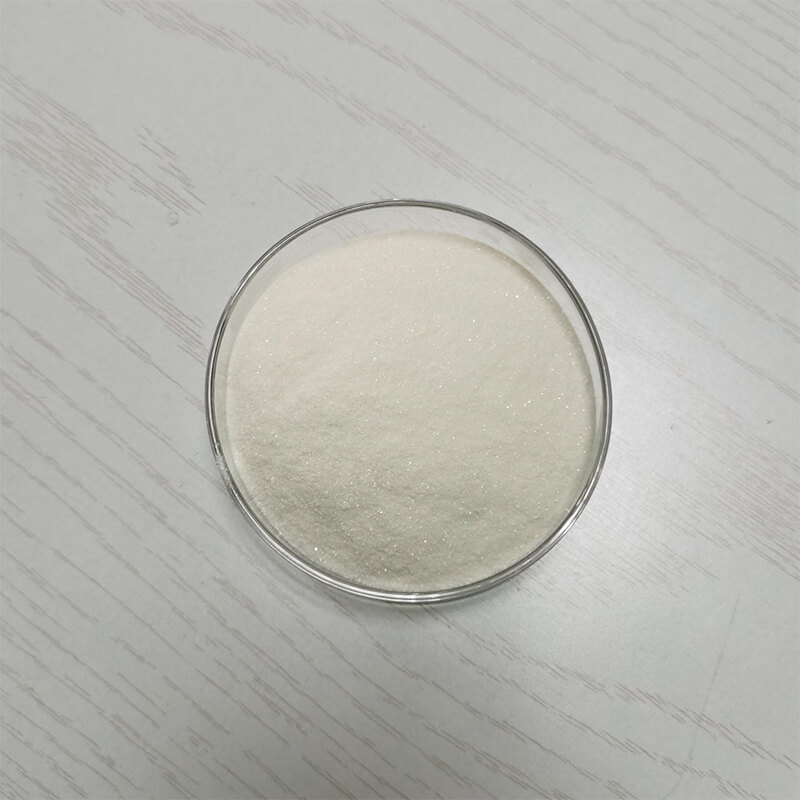
Yeast gives clear field results. Product pages for feed yeast, soluble feed yeast, and Saccharomyces cerevisiae sit beside guides such as a comprehensive guide to feed yeast, yeast feed supplement benefits, and top 5 benefits of animal feed yeast. For gut health and shelf life, importers bundle these with the organic acids poultry feed guide and encapsulated organic acids guide.
Different zones ask for different mixes. Pages on demanded feed additives in Africa, the Middle East, and Latin America give a clear snapshot of which products move fastest by region.
In Southeast Asia, importers look at Philippines feed market overview, yeast distributor opportunities, and animal feed yeast for livestock in the Philippines. Many buyers use global markets & distributors we serve as a “map” for new target countries. The blog and global feed additive trends then keep them updated on new product and market news that they can share with local clients.
Q1. How do I check if a Chinese supplier is real and safe? Use the China feed additives overview, study their production flow chart, and ask for fresh COA and MSDS sets. Then apply steps from how to choose a supplier in China and, if needed, add support from working with sourcing agents in China.
Q2. What is a smart first order size for a new supplier? Most new buyers start with a test order below one full container. They follow price rules from bulk pricing, MOQs, and payment terms and focus on key SKUs such as L-lysine HCl 98.5% or DL-methionine 99%. After two to three smooth shipments, they slowly raise volume.
Q3. How can I lower risk with heavy metals and contamination? Fix a simple rule: every new product and supplier must pass third-party tests at least once. Many importers test amino acids and minerals first, using guidance from the vitamin-mineral premixes and amino acid storage and shelf life guide.
Q4. How do I choose which products to import first? Look at your market’s animals and feed habits. Then match them with tools like the ultimate guide to essential feed ingredients, 40 common feed ingredients guide, and species pages such as layer hen standards or feed additives for swine.
Q5. Where can I learn more as an international feed additive buyer? Use the global markets & distributors we serve page to see key export markets. Then follow the blog, global feed additive trends, and product guides like a comprehensive guide to feed additives enhancing animal nutrition with Pangoo’s products to grow your knowledge step by step.