| Topic | Simple takeaway for buyers |
|---|---|
| Fermentation lines | High-yield bioreactors make stable amino acids with tight oxygen and pH control. |
| Protein and plant lines | Fish meal, corn gluten meal, DDGS and soy run on controlled, clean process lines. |
| Natural and health additives | Allicin, organic acids and choline support gut health and lower drug use. |
| Quality and data | COA, MSDS, and digital tracking protect every batch from intake to load-out. |
| Scale and export | Strong China base and Pangoo capacity back long-term supply plans. |
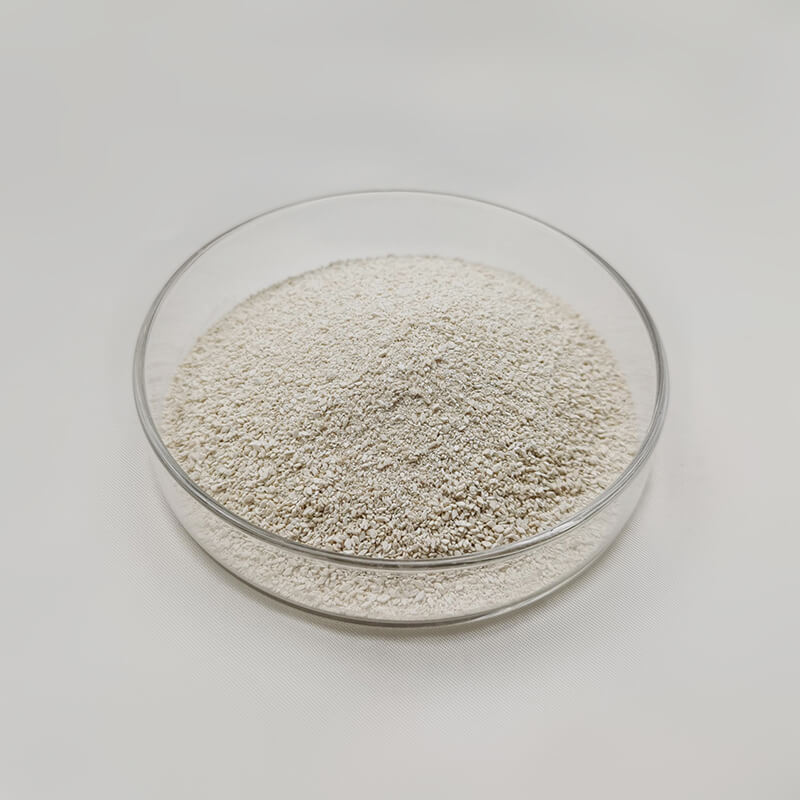
Our amino acid lines use large stainless-steel tanks and smart control systems. Strains grow in clean feed media and turn sugar into L-lysine, L-threonine and DL-methionine. Real-time oxygen and pH control keeps each batch in the best growth zone.
Good overviews sit in amino acids feed additives, essential amino acids for animal nutrition, and benefits of amino acids in livestock feed. Product pages like L-lysine HCl 98.5%, L-threonine feed grade, DL-methionine 99%, and DL-methionine 50% show key specs. Storage is covered in the amino acid shelf-life guide.
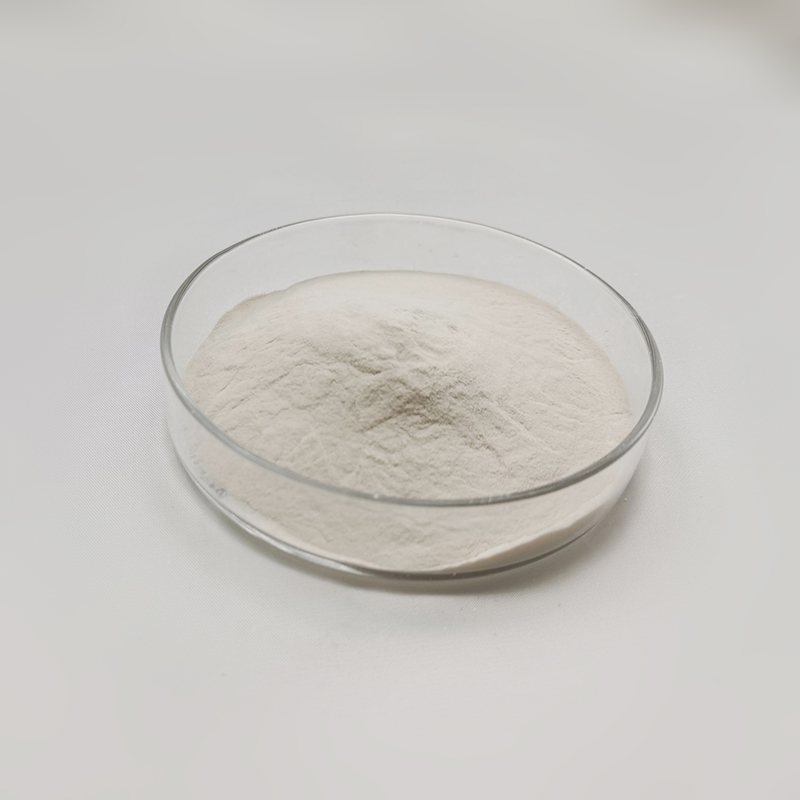
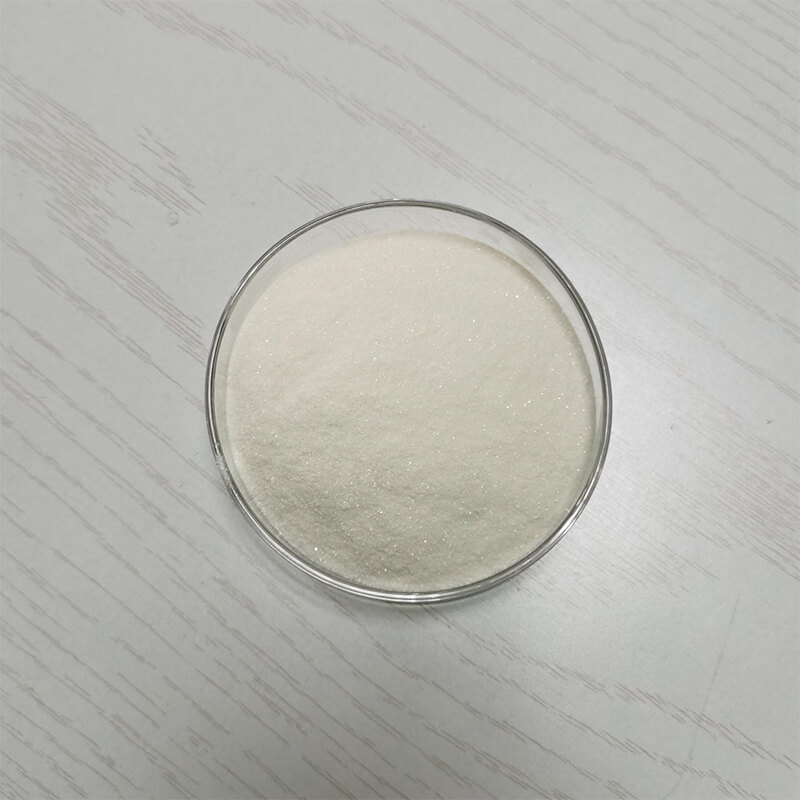

Yeast and probiotic lines work like amino acid lines but use softer conditions. We grow live cells that support rumen health, gut balance and feed intake. On plant walks I watch operators track foam, smell and live counts as closely as any graph. Small changes in aeration or temp can shift results fast.
Product pages include feed yeast, soluble feed yeast, and Saccharomyces cerevisiae. For use in feed, see a comprehensive guide to feed yeast, yeast for animal feed, and feed yeast manufacturers guide.
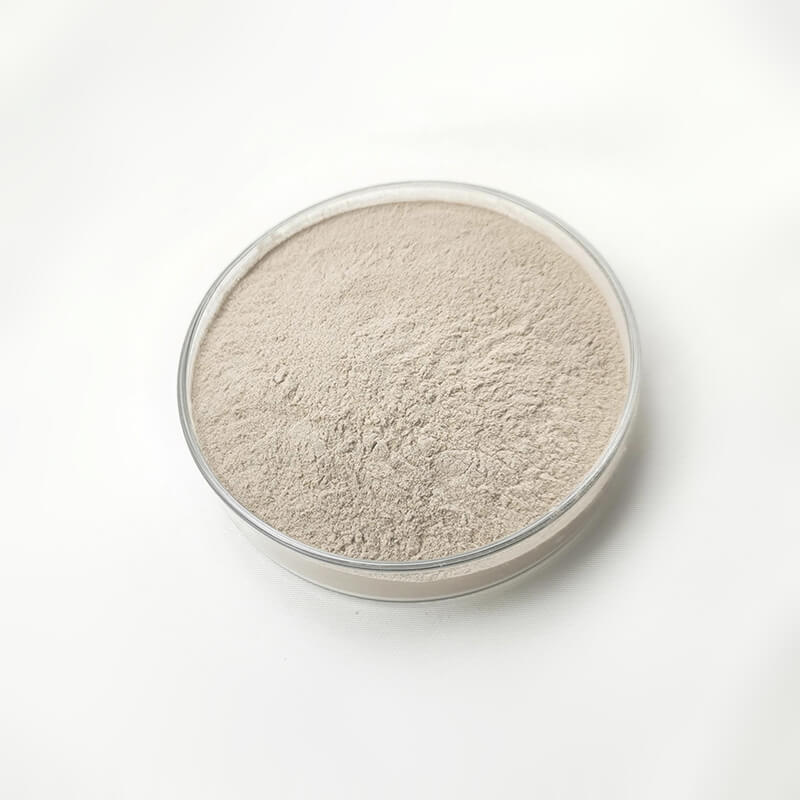
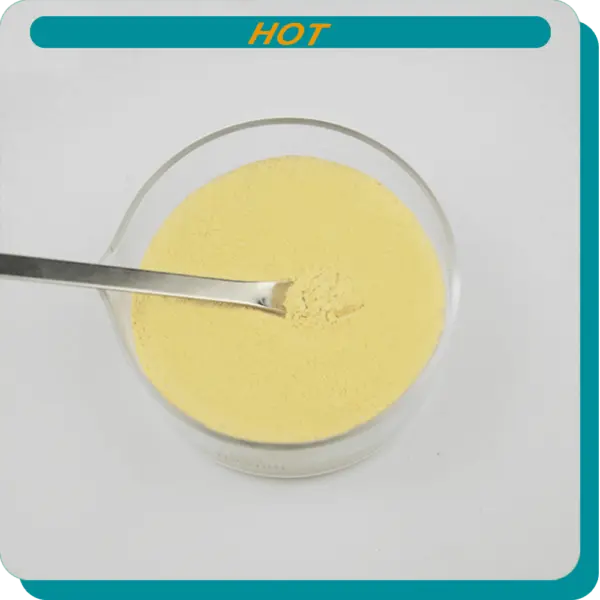
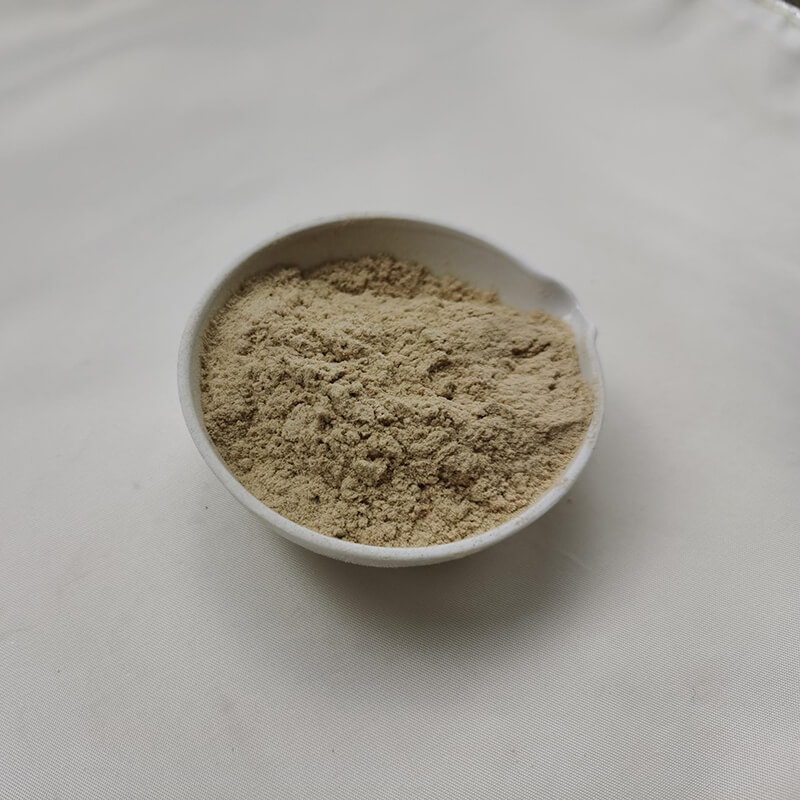
Fish meal and animal protein lines start at raw intake. Staff grade each lot by smell, look and temperature before unloading. Cooking at controlled time and heat stops spoilage and helps fat, water and solids split cleanly. Pressing, decanting, centrifuging and drying then shape a stable, high-protein meal.
For details, see fish meal, meat and bone meal, and the feed protein category. Use cases sit in feed additives in cattle and feed additives for swine.
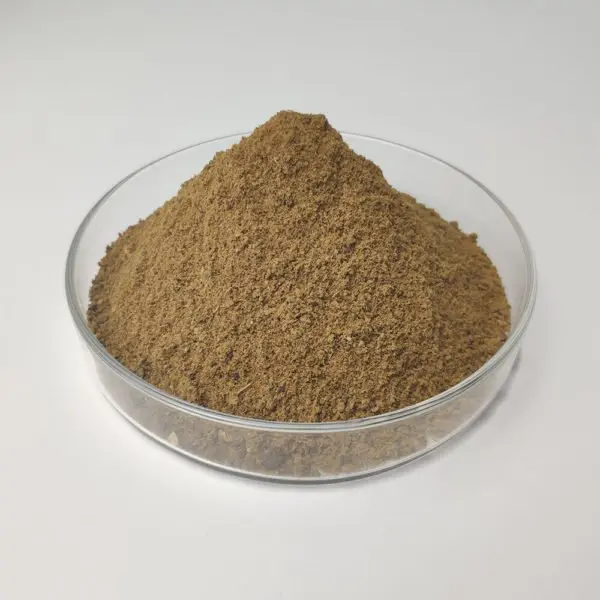
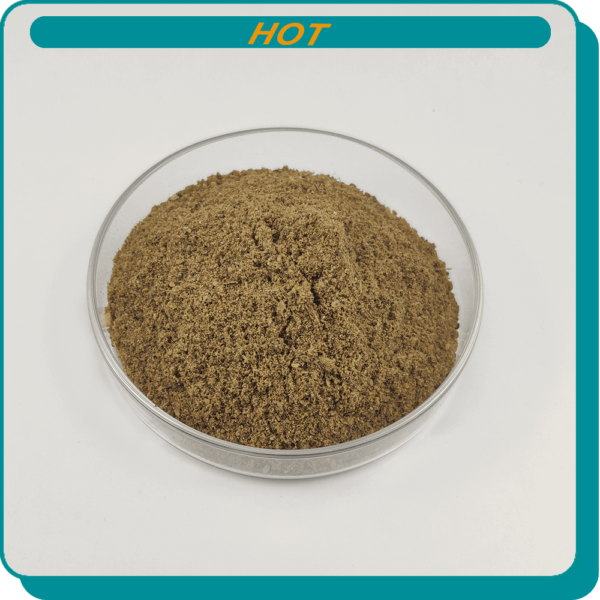
Corn wet milling plants use steeping, grinding and separation lines to split starch, gluten, germ and bran. Selective grind tech and fine control of dryers protect amino acids and pigment in the finished corn gluten meal. DDGS and soybean meal then round out protein offers for many rations.
Product pages such as corn gluten meal, DDGS, and soybean meal give core specs. Guides like unlocking the nutritional power of corn gluten meal, the ultimate guide to corn gluten feed, essential feed ingredients, and 40 common feed ingredients help planners.

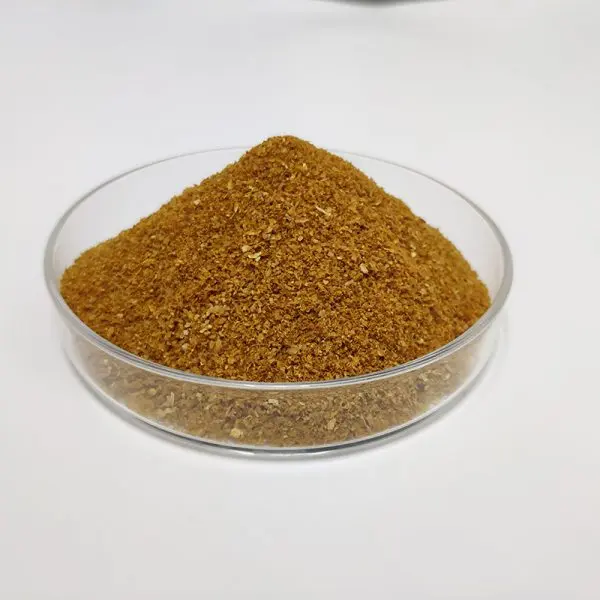

Allicin comes from garlic that is crushed and treated under tight time and heat control. Enzymes release active compounds, and gentle drying protects them. Organic acids and choline chloride lines run in chemical reactors with pH, heat and concentration control. These inputs support gut health, feed hygiene and liver function.
Core products: Allicin / Garlicin, L-malic acid, and choline chloride 60%. You can study choline use in choline chloride animal feed guide, choline chloride for animal feed guide, choline chloride benefits poultry, choline chloride benefits, and the choline chloride wholesale guide.
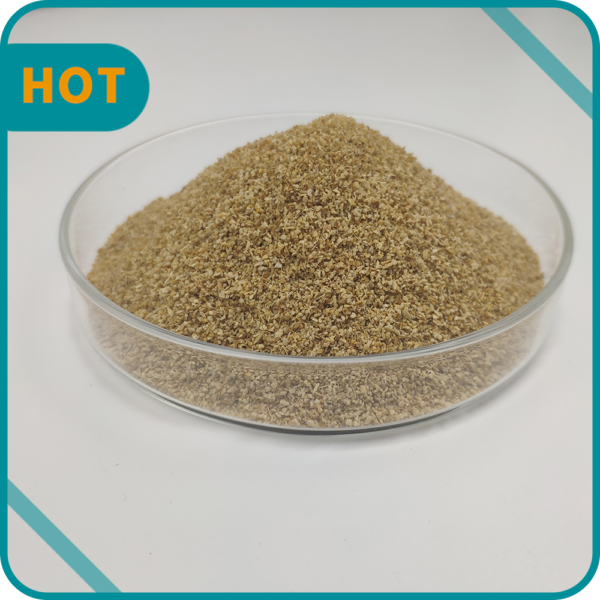

Good factories support more than single bags. They help clients build smart formulas. Species standards for ducks, geese, turkeys, layers and broilers guide rates and balance. Premix lines weigh micro ingredients on precise scales and load mixers in clear order.
Use guides such as duck and goose requirements, turkey nutrition specs, layer hen standards, broiler grower matrix, chick starter profile, and poultry minerals and vitamins guide. Vitamin and mineral tools sit in vitamin-mineral premixes and the minerals category. Blending tips appear in the custom premix formulas guide.
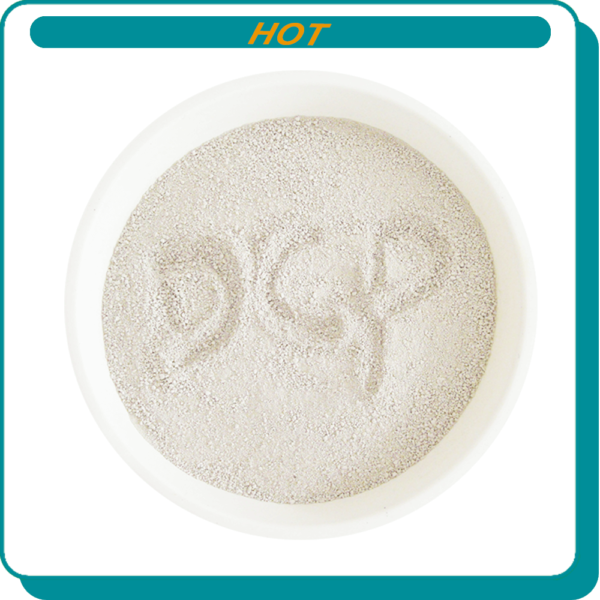
Quality starts at intake. Lab teams test corn, fish, garlic and other inputs for purity, mycotoxins and microbes. During runs they check pH, density and active content. Finished goods then get full lab reports before release. I have seen batches held back for tiny off-notes rather than risk a claim.
You can see process maps in the production flow chart. Batch documents sit under COA and MSDS. General context is in understanding the animal nutrition supplements and a comprehensive guide to feed additives with Pangoo products.
Large tanks, dryers and warehouses stand behind every export contract. Pangoo ships thousands of tons per year. This sits inside a wider China base that leads global amino acid and vitamin capacity. For buyers, this means strong supply and deep product range.
Market views live in China feed additives, global feed additive trends, top export destinations for Chinese feed additives, demanded feed additives in Africa, Middle East, Latin America, and China feed additive export growth by category. Sourcing tips appear in why import feed additives from China, how to choose a supplier in China, and working with sourcing agents in China.
1. How do you keep each batch safe and consistent? We start with strict raw material tests, run lines under GMP rules and finish with lab checks plus full COA and MSDS. The production flow chart shows each step.
2. Can one factory support both amino acids and proteins? Yes. Pangoo runs amino acid fermenters, yeast lines, fish meal plants and corn gluten units. The mix is clear in products and the feed protein category.
3. How can I check if these additives fit my feed formulas? Use species tools like duck and goose requirements, broiler grower matrix, amino acid profiles for poultry, and vitamin-mineral premixes.
4. What is a simple first trial from your facilities? Most buyers start with one amino acid and one yeast or choline line. Good pairs are L-lysine HCl 98.5%, feed yeast, or choline chloride 60%.
5. Where can I read more about your link to China’s wider feed industry? See China feed additives, global feed additive trends, why import feed additives from China, and top export destinations for Chinese feed additives.