| Point | Why it matters |
|---|---|
| Feed additives manufacturing process facilities China rely on fermentation, synthesis, blending, drying, and packaging in one controlled chain. | Buyers can judge a supplier better when they understand each production step. |
| Good facilities use raw material testing, batch tracking, and contamination control from start to finish. | This lowers quality risk and supports repeat orders. |
| China’s feed additives market is estimated at USD 5.26 billion in 2026 and may reach USD 6.68 billion by 2031. | Large scale helps importers secure stable supply and better pricing. |
| Strong plants do more than make product. They also provide COA, MSDS, traceability records, and export documents. | Paperwork is a big part of safe international trade. |
| Third-party testing and supplier vetting matter because buyers still worry about purity, contaminants, and uneven quality. | A low price is not a good deal if the batch fails later. |
A buyer does not just buy a bag. A buyer buys the process behind the bag. That is why feed additives manufacturing process facilities China matter so much for importers, distributors, and private-label operators. A clean production line helps protect quality, price stability, and delivery time. It also makes it easier to solve problems when a buyer asks for traceability, batch records, or a fresh COA.
Many overseas buyers start with the main bulk feed additives manufacturer China page, then check deeper pages like why import feed additives from China and global markets distributors we serve. That path makes sense because factory strength is not only about capacity. It is about process control, export support, and clear communication. When a plant can show how raw materials move from intake to final packing, the buyer has more confidence in the supplier and less risk in the shipment.
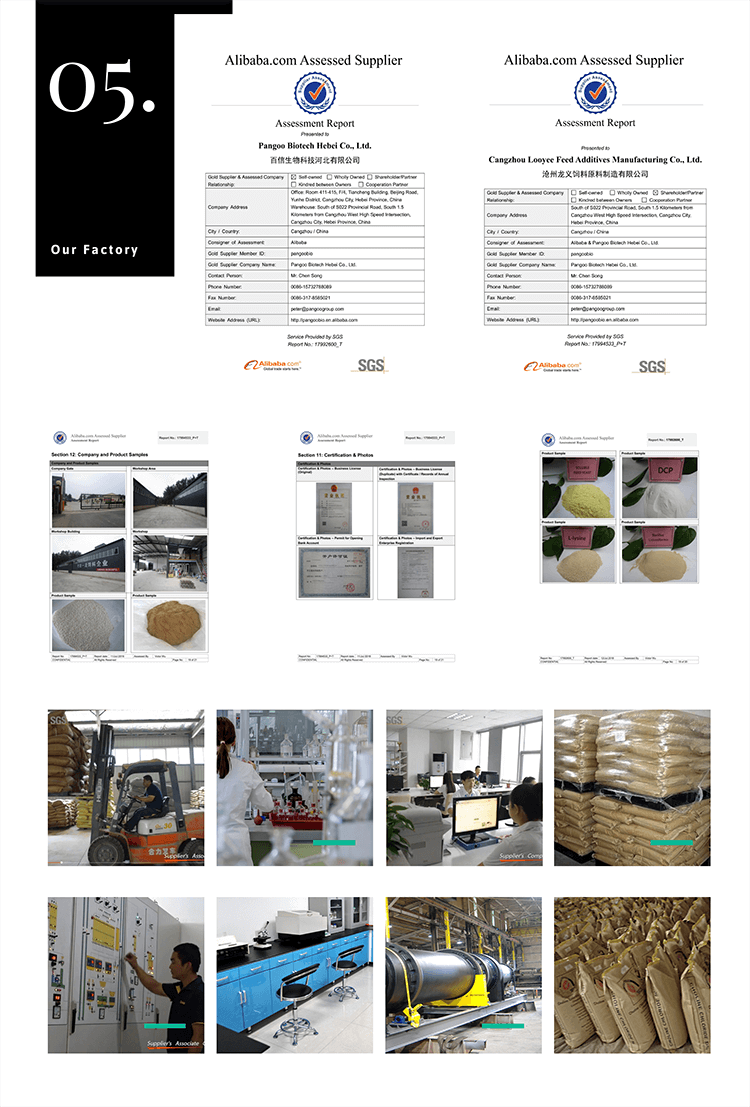
The first important step in a Chinese feed additive plant is raw material intake. This stage sets the tone for the whole batch. Good factories test incoming materials before they move into storage or production. They check identity, moisture, color, odor, purity, and contamination risk. For some products, they also review heavy metals, microbial counts, and supplier documents.
This matters across many categories, from amino acid feed additives supplier lysine methionine programs to vitamin-mineral premixes and feed protein lines. A weak intake system can ruin a good-looking formula later. A strong one creates a cleaner base for stable production. Importers should ask how the plant approves suppliers, how often materials are sampled, and whether each lot is linked to a batch code. A serious plant should answer those questions fast and with proof, not vague promises.
Many of China’s most important feed additives come from fermentation. This is especially true for amino acids such as lysine and threonine. Fermentation plants use selected strains, controlled pH, oxygen, nutrients, and temperature to produce target compounds in large volumes. After fermentation, the liquid goes through separation, purification, concentration, and drying.
That process is one reason China became a strong source for l-lysine feed grade bulk supply and l-threonine. Buyers who need species-specific support can also review amino acid feed additives for poultry and amino acid profiles for poultry. A good fermentation facility should show consistent output, low impurity risk, and stable drying performance. That is why importers should ask about strain control, process records, and batch consistency, not only price. In amino acids, a plant’s discipline often decides whether the product performs well in the feed mill and in the field.

Not every feed additive is made by fermentation. Some products depend on chemical synthesis or a mixed production route. Vitamins, choline chloride, and some specialty additives often need tightly managed chemical processing, reaction control, carrier handling, and drying. In these plants, cleanliness and formula discipline are very important because small mistakes can change stability or flowability.
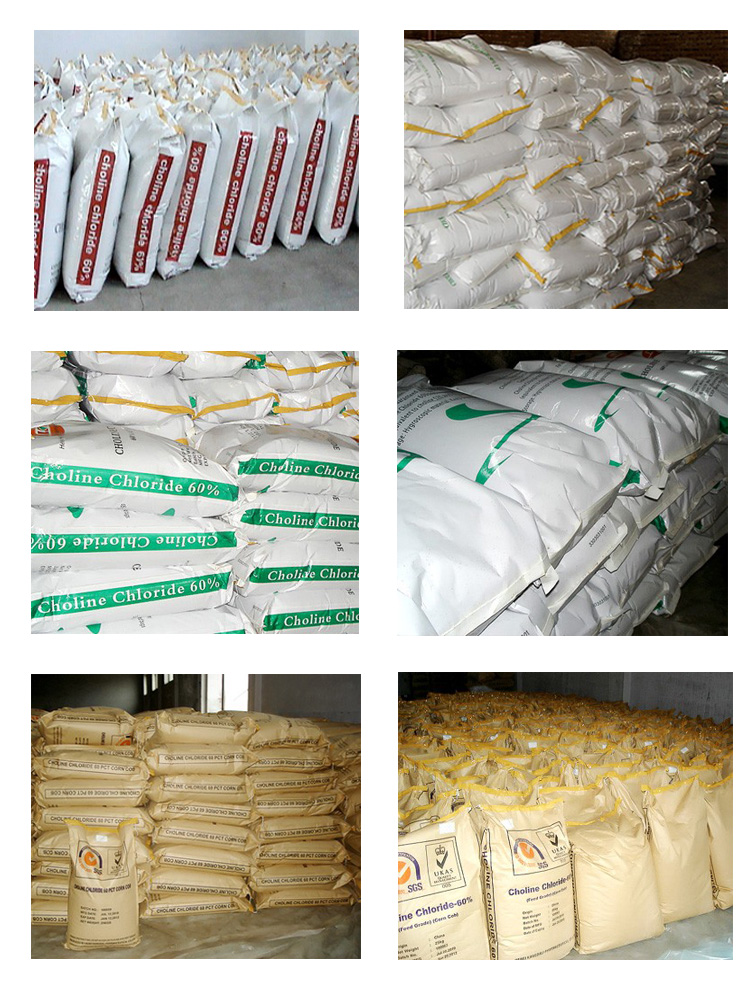
That is why buyers often compare pages like choline chloride animal feed guide, choline chloride benefits poultry, and the product page for choline chloride 60%. A solid factory should explain its carrier system, mixing method, and moisture control rules. Importers should also ask how the plant prevents caking, uneven loading, and material loss during packing. For vitamins and choline products, product stability during storage and shipping can matter as much as the original assay. A clean synthesis process with strong handling control usually gives the buyer fewer claims later.
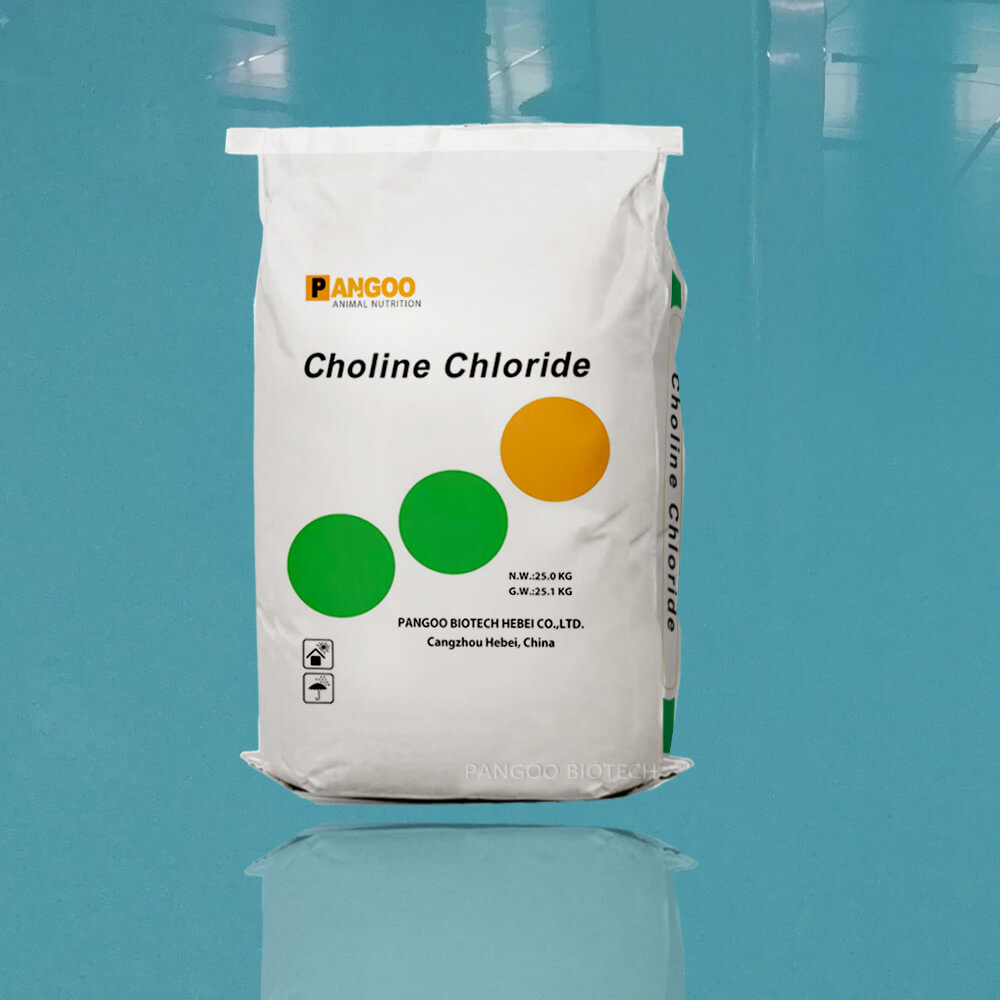
After the core ingredient is produced, many facilities move into blending, premix preparation, or custom formula work. This stage is easy to ignore, but it is where many practical problems start. A weak blend system can create uneven distribution, dead spots, dust, and poor flow. A strong one creates uniform product that works the same way from bag to bag.
Importers that need custom work should review blending custom premix formulas guide, bulk pricing MOQ payment terms importers, and the main products catalog. These pages help buyers frame the right questions about carrier choice, batch size, sequence control, and clean-down between runs. The plant should also have rules for allergen control, cross-contamination prevention, and blend verification. A custom premix may look simple on paper, but it needs tight process discipline. Buyers should always ask whether the factory can support both standard products and special formulas without hurting consistency.
Drying is more than a finishing step. It has a direct impact on stability, shelf life, and handling. If a product leaves the line with too much moisture, it may cake, degrade, or lose flow during shipping. If drying is too harsh, it may damage sensitive compounds or reduce product quality. That is why serious feed additives manufacturing process facilities China monitor both moisture and physical form before packing.
This is easy to see in bulk amino acids and proteins such as dl-methionine feed grade specs bulk supply, dl-methionine 99, and corn gluten meal. Buyers should ask about dryer type, cooling time, target moisture, and anti-caking controls. They should also ask whether the plant screens out fines or oversize particles before packing. A good physical profile makes a product easier to store, blend, and dose. That can save money for the importer long after the container lands.
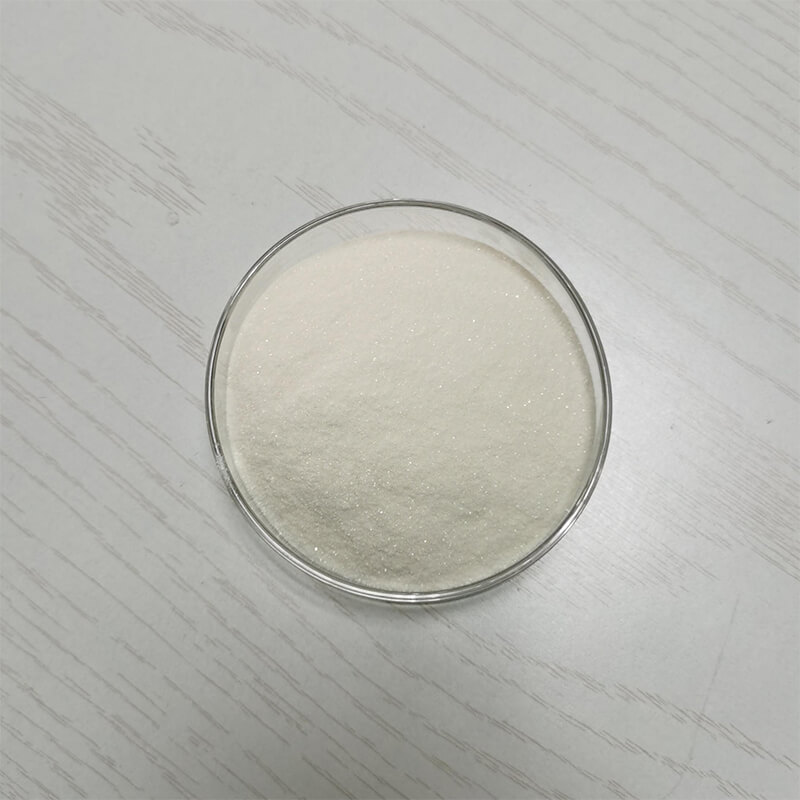
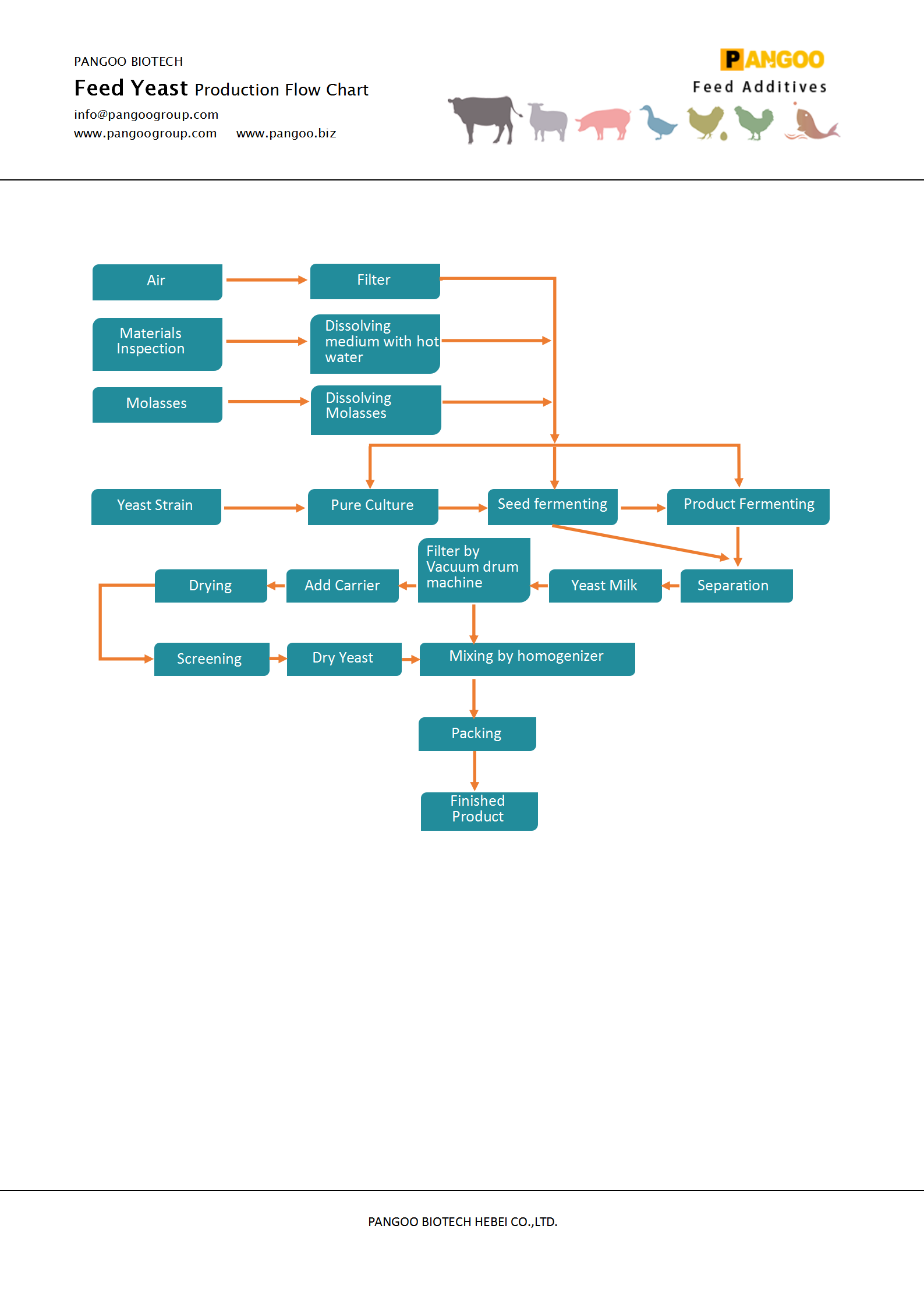
Yeast and protein products follow a different factory logic from pure amino acids or vitamins. Feed yeast production often includes fermentation, separation, concentration, drying, and sometimes cell wall processing or culture preparation. Protein materials like DDGS, corn gluten meal, fish meal, or soybean meal need strong controls for moisture, impurities, odor, and storage stability.
Buyers can compare product and guide pages like feed yeast, Saccharomyces cerevisiae, and DDGS. They can also study protein sources poultry diets for end-use context. In these categories, process hygiene and warehouse conditions matter a lot. Yeast needs strong biological control. Protein products need clean storage and fast turnover. Importers should ask how long material stays in storage, how bags are protected from humidity, and how the plant handles returns or damaged stock. Good answers here often reveal the difference between a true manufacturer and a weak trading operation.
A good feed additive plant is built to stop problems before they start. Layout matters. Flow matters. Air control matters. Sensitive products should not sit next to dusty materials without clear separation. Equipment should be cleaned in a repeatable way. Workers should follow zone rules so one batch does not contaminate the next.
This is especially important for buyers comparing feed additive manufacturing process facilities, how to choose a supplier in China, and the supplier’s production flow chart. These pages help buyers see whether a factory thinks in systems or only in output. Good facilities often use room separation, closed transfer lines, temperature and humidity control, and clear cleaning records. Buyers should ask for photos, videos, or audit access to confirm those controls. A supplier that cannot explain contamination prevention clearly may also struggle with traceability and complaint handling later.
Quality control is not one lab test at the end. It should run through the whole process. Good factories test raw materials, in-process samples, and finished goods. They check purity, assay, moisture, microbiology, and physical condition. Some also keep retention samples and outside lab options for dispute review.
This is where pages like amino acid quality control assay testing, COA, and MSDS become useful for serious importers. A plant that has strong QC should share sample COAs, explain its test methods, and show how it handles out-of-spec results. Buyers should also ask if the factory tracks trends across batches, not just single results. That helps catch slow drift before it becomes a complaint. Strong QC does not mean a plant never has issues. It means the plant can detect, explain, and fix issues before they spread across many shipments.
Modern feed additive factories often use ERP or similar systems to manage traceability. That means each lot can be tracked from raw material intake to finished product shipment. This is very useful when a buyer asks for a document trail, shipment confirmation, or issue review. Without batch records, even a small complaint can become a big trade problem.
Buyers who ship across regions may want to pair factory review with pages such as top export destinations Chinese feed additives, china feed additive export growth by category, and demanded feed additives Africa Middle East Latin America. Those pages show the scale of export activity, but the record system behind the activity is just as important. A supplier should be able to connect a COA, packing date, container loading, and production batch fast. That protects both sides when customs, distributors, or end users ask tough questions.
Many buyers think compliance starts after production. In reality, compliance is built into the plant system itself. A serious manufacturer should understand licensing, plant registration, product paperwork, and export documentation before the first bag leaves the floor. That includes COA, MSDS, specs, labels, packing lists, and any market-specific support the buyer needs.
This is why importers should spend time on FAQ international feed additive buyers, china feed additives, and working with sourcing agents in China. Strong paperwork reduces customs delays and helps buyers sell faster in local markets. It also supports private-label and distributor programs. When a supplier says it has a good factory, buyers should ask for proof in documents, not just plant pictures. Good manufacturing and good documentation usually move together. Weak suppliers often fail on both.
No one production line fits every product. Amino acids, organic acids, minerals, proteins, yeast, and premixes all need different plant strengths. That is why buyers should match the product to the right facility instead of assuming a supplier is equally strong in every category. A plant that handles fermentation well may not be the best at custom mineral premixes. A good blending plant may not be the best source for complex yeast ingredients.
Pangoo’s product structure helps show this range through pages like product category minerals, product category vitamins, and product category natural feed additives. Buyers should ask where each product is actually made, whether the site is owned or partnered, and what QC system applies to each line. A broad catalog is useful, but the buyer still needs clarity. The best suppliers explain category strengths clearly and do not pretend every product comes from the same type of facility.
Some buyer comments online still show concern about Chinese bulk quality. Common worries include contaminants, uneven purity, and low-grade marketplace offers. That does not mean all Chinese factories are risky. It means buyers should separate strong manufacturers from weak traders. Good vetting is the safest answer.
The best way to do this is to compare factory claims with real evidence. Review amino acid storage shelf life guide, global feed additive trends, and how to choose the right feed yeast supplier in China for the Philippines. Then ask for samples, third-party tests, and production records. A serious supplier will accept that process because it protects long-term business. A risky supplier will try to push the order forward before the buyer has enough proof. In this market, patience often saves more money than speed.
Importers should walk into every deal with a clear checklist. The questions should cover production, quality, documents, packing, and complaint handling. This gives the buyer a better view of the plant before money moves. It also helps compare two suppliers on facts instead of sales talk.
A useful short list includes:
Helpful pages for this stage include bulk pricing MOQ payment terms importers, feed additive manufacturing process facilities, and the Pangoo homepage. Good buying starts with clear questions and clear evidence.
It refers to the factory systems, equipment, quality controls, and production steps used to make feed additives in China. That includes raw material intake, fermentation or synthesis, blending, drying, testing, and packing. Buyers often start with feed additive manufacturing process facilities and bulk feed additives manufacturer China to compare supplier capability.
Because the process affects purity, consistency, shipping stability, and complaint risk. A strong plant gives the buyer better control over quality and documents. Pages like amino acid quality control assay testing and FAQ international feed additive buyers help buyers know what proof to ask for.
Amino acids such as lysine and threonine are common examples. Buyers can check l-lysine feed grade bulk supply, essential amino acids for animal nutrition, and amino acids feed additives for practical product context.
A good supplier should provide COA, MSDS, product specifications, packing details, and shipment records when needed. Buyers can review the Pangoo COA page, MSDS page, and china feed additives for the kind of support a strong exporter should be ready to share.
Use a checklist, request samples, confirm the process route, and use third-party testing before large orders. It also helps to review how to choose a supplier in China, working with sourcing agents in China, and global markets distributors we serve before you commit.