| Key Takeaways | What it means for buyers |
|---|---|
| Feed-grade lysine is the biggest lysine segment | Feed-grade holds about 78.5% of total lysine demand, so supply chains focus on feed mills first. |
| Bulk pricing moves fast | Late 2025 showed softer import pricing in the US as inventory rose and Asian exports stayed aggressive. |
| China leads global supply | China holds the largest amino-acid capacity and can ship large volumes with stable specs. |
| Trade rules can reshape landed cost | The EU applied anti-dumping duties (July 11, 2025), so buyers must plan routes and risk. |
| Form choice impacts dosing | L-Lysine HCl 98.5% gives clean dosing; lysine sulfate fits cost-driven formulas. |
| Performance needs amino acid balance | Lysine works best when you keep smart ratios with methionine, threonine, and others. |
L lysine feed grade bulk supply is not only about price per ton. It is about steady purity, steady delivery, and repeatable results in animals. Feed mills buy lysine because it helps control growth rate and feed cost. Farms buy it because they want better weight gain with less protein waste.
For importers, bulk supply means you need a supplier that can ship the same grade again and again, with clear paperwork and tight QC. That is why many buyers start with a product spec + COA check, then lock packaging, then lock the delivery window.
You can see a full spec and export-ready format on Pangoo’s page for L-lysine feed grade bulk supply, and compare it with other items in the bulk feed additives manufacturer China catalog. Buyers who need smoother onboarding often use the international buyer FAQ first.
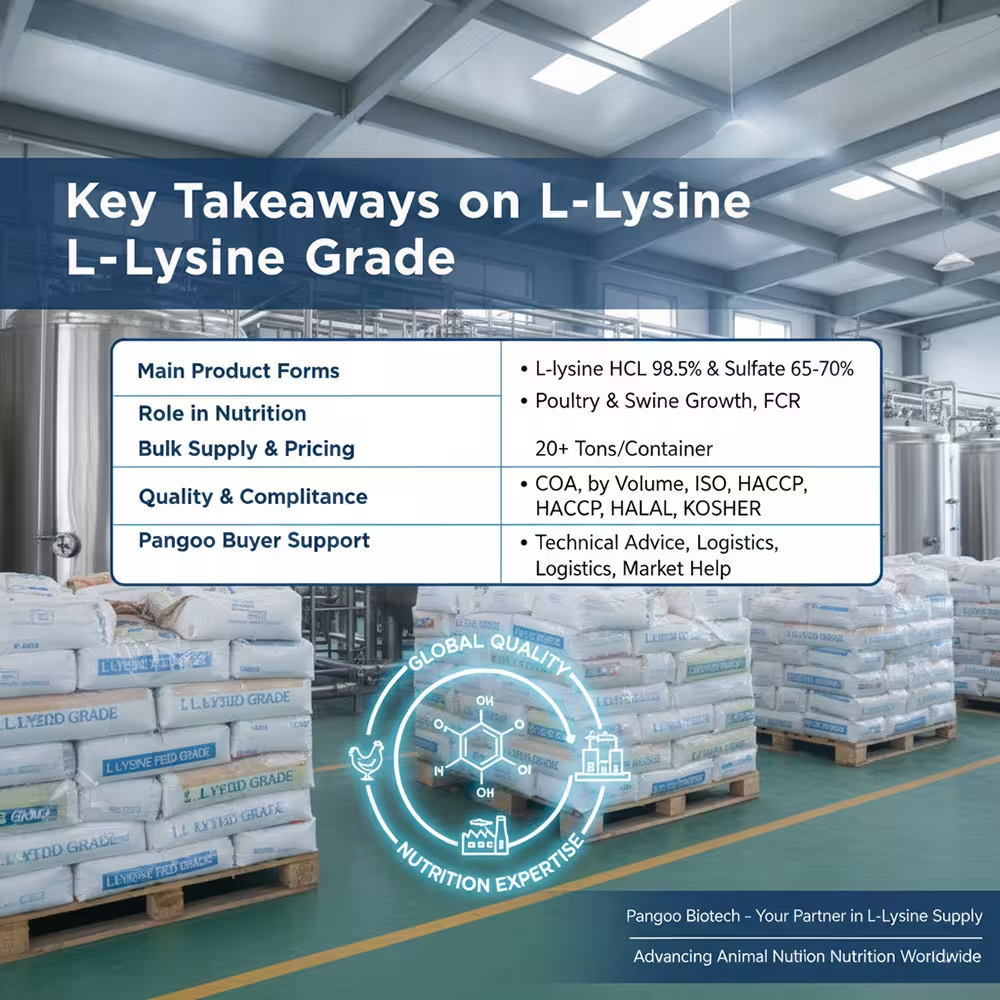
Feed-grade lysine demand grows because global meat output grows. Market tracking in 2024 placed feed-grade lysine around $617 million, with projections near $796 million by 2031. That is steady growth, but pricing does not move in a straight line. It moves in cycles.
A common pattern happens around Q4. Feed mills restock. Traders clear warehouses. Exporters push volume to close the year. Then prices can cool when inventory feels heavy. Late December 2025 showed a small decline in US import pricing, linked to warehouse stock and competitive Asian offers.
If you source for multiple regions, it helps to match contracts with your sales seasons. You can also watch demand signals by region on global markets distributors we serve and follow category movement on global feed additive trends. For product-level planning, this guide on feed grade lysine supplier keeps decisions buyer-focused.
China leads lysine supply because it has scale, corn-based fermentation inputs, and mature factories. Industry estimates place China’s lysine capacity above 2 million tons per year, and total amino-acid output is a major share of global volume. This scale matters in bulk orders. It keeps raw material cost lower and keeps production stable during peak seasons.
Many buyers also like the way Chinese producers build full baskets. Lysine sits next to methionine, threonine, tryptophan, and more. That reduces your supplier count and cuts freight complexity.
If you want to check how export-ready facilities work, review feed additive manufacturing process facilities and the country-level sourcing logic on why import feed additives from China. For category context, this hub on China feed additives helps buyers map the market.
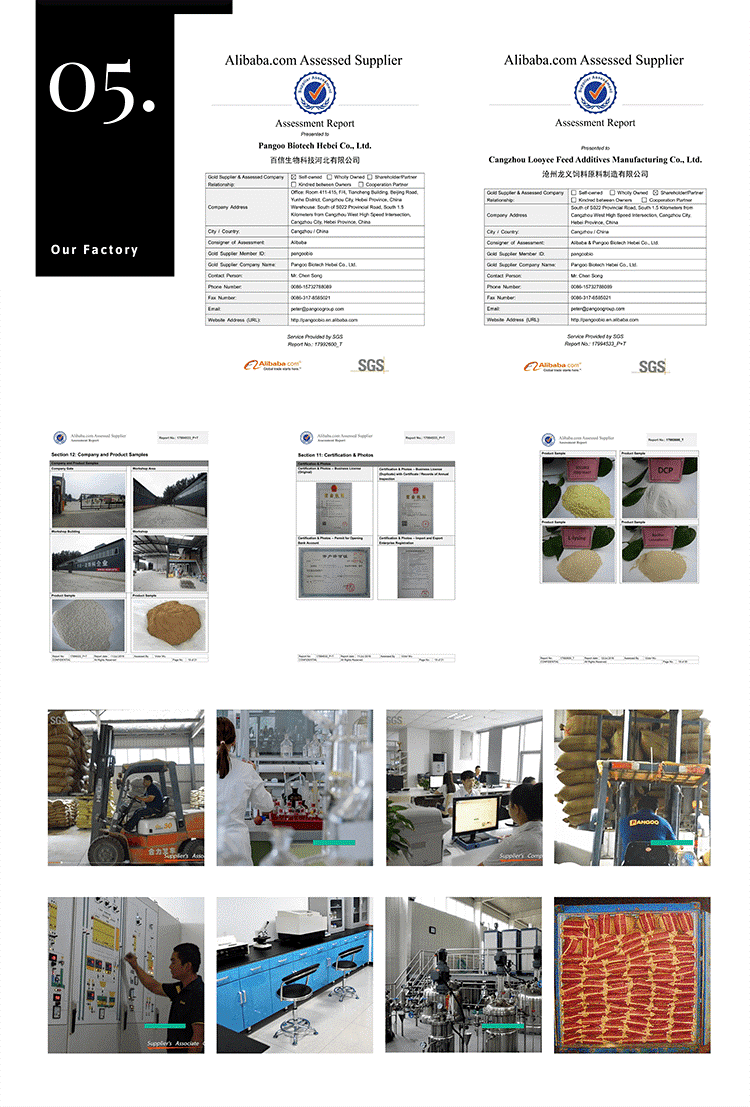
Trade policy can flip your landed cost in one month. The EU imposed definitive anti-dumping duties on Chinese lysine imports starting July 11, 2025, with rates in the high 47%–58% range by supplier group. That created two price zones:
For buyers, the main goal is simple. Do not price your customer using a “global average” assumption. Use the correct trade lane. Ask your supplier for the HS code notes, origin statement, and past EU shipment proof when needed.
If your sales team works across regions, use top export destinations for Chinese feed additives to align strategy. It also helps to set clear terms early using bulk pricing MOQ payment terms for importers and confirm your target market fit on global markets distributors we serve.
Most bulk buyers choose between L-Lysine HCl 98.5% and lysine sulfate. The right choice depends on your feed formula and your cost target.
L-Lysine HCl 98.5% gives high concentration and clean dosing. It dissolves well and makes formulation math easy. That is why many premix plants prefer it. You can review the spec on L-Lysine HCl 98.5 product page and the buyer-friendly summary on L-Lysine HCl 98.5 benefits.
Lysine sulfate has lower lysine content per kg, so you add more to reach the same lysine level. It can fit cost-focused projects and some biomass-style formulations. If you also buy methionine in bulk, this reference on DL-methionine feed grade bulk supply helps you keep amino acids aligned.

Broilers react fast to lysine changes because lysine often limits growth in grain-based diets. Typical total diet lysine targets move by phase:
Many mills use these ranges to keep weight gain stable and protect feed conversion. Corn brings low lysine, so you need a clean supplement plan. Some farm trials show clear growth jumps when finisher diets correct a lysine shortfall.
But more is not always better. Too much lysine can reduce intake, so the bird self-limits. That is why good buyers ask for formulation support and stable assay results. For poultry-focused guidance, use lysine poultry nutrition guide and the broader page on amino acid feed additives for poultry. For phase tables, this broiler grower matrix is useful.
Swine diets need lysine, but pigs do not need the same level at every stage. Many farms waste money when they keep one lysine level from 7 kg up to market weight. That choice can also hurt growth in young pigs and add extra cost in finishers.
A simple stage view helps buyers talk with customers:
Phase feeding improves results and protects margin. It also works well in low-protein diets when amino acid balance stays correct. For swine-specific planning, use amino acid requirements swine and this practical hub on feed additives for swine. Buyers who want product matching can reference L-lysine HCl for swine and poultry.
Lysine works like a “gate” in protein use. If lysine is low, animals cannot use the rest of the amino acids well. But if lysine is high and another amino acid is low, you still lose performance. This is why smart buyers talk about ratios, not single numbers.
Common ratio targets used in practical feed work include:
If methionine drops too low, birds may grow slower even with enough lysine. If threonine drops, gut function can suffer and feed efficiency can fall.
To keep the full balance, buyers often bundle products. Use methionine broiler performance guide and threonine gut health in broilers for practical context. For wider amino acid pairing, the guide on threonine and tryptophan feed additives helps planning.
Bulk lysine must pass a simple rule: the lab number must match the real bag. Serious buyers ask for consistent assay methods, stable moisture, controlled impurities, and clear traceability. This reduces claims and protects your customer’s formula.
A clean QC pack often includes:
If you sell into feed mills, the COA is your fastest trust builder. It also saves time during customer audits. For deeper detail, review amino acid quality control assay testing and the downloadable formats under COA resources. For compliance and warehouse SOP, keep MSDS access ready in your buyer file.

Most bulk lysine moves in 25 kg bags, and buyers stack full pallets into 20’ or 40’ containers. Small packaging mistakes can turn into big claims. Poor inner liners can pull moisture. Weak stitching can leak powder. Wrong label format can slow customs.
Good bulk projects lock these points early:
Warehouse teams also need simple rules. Keep bags sealed. Store in a dry place. Keep away from strong odors. If your customer wants long shelf life planning note, use amino acid storage and shelf life guide. For factory-to-container steps, the production flow chart is easy to share. If your shipping docs include handling details, keep MSDS linked in the same folder.
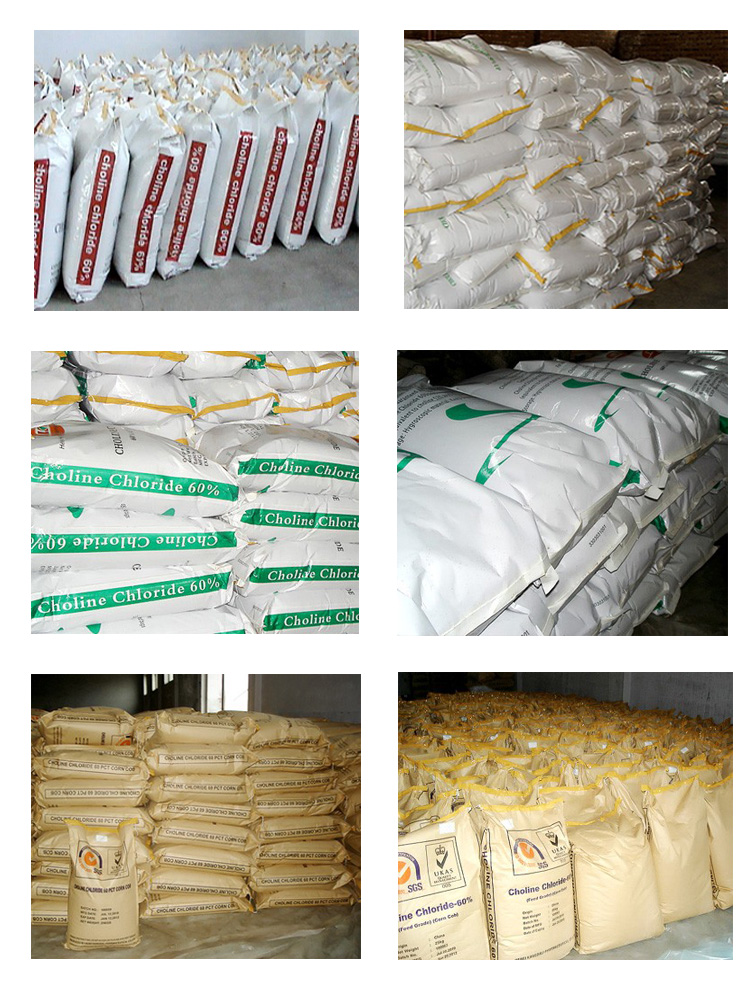
Most buyers want fast clarity on three things: MOQ, lead time, and payment. A normal pattern is one trial container, then repeat orders on a schedule that matches feed mill cycles. Your supplier should confirm loading port, incoterms, and document set before you send payment.
Strong bulk deals stay simple:
If you sell to multiple customers, you can also ask for mixed-container options across lysine, methionine, and threonine to reduce your cost per kg shipped.
For a direct framework, this page on bulk pricing MOQ payment terms for importers covers buyer workflows. For common shipping and paperwork questions, use FAQ for international feed additive buyers. To confirm where a supplier can ship smoothly, check global markets distributors we serve.
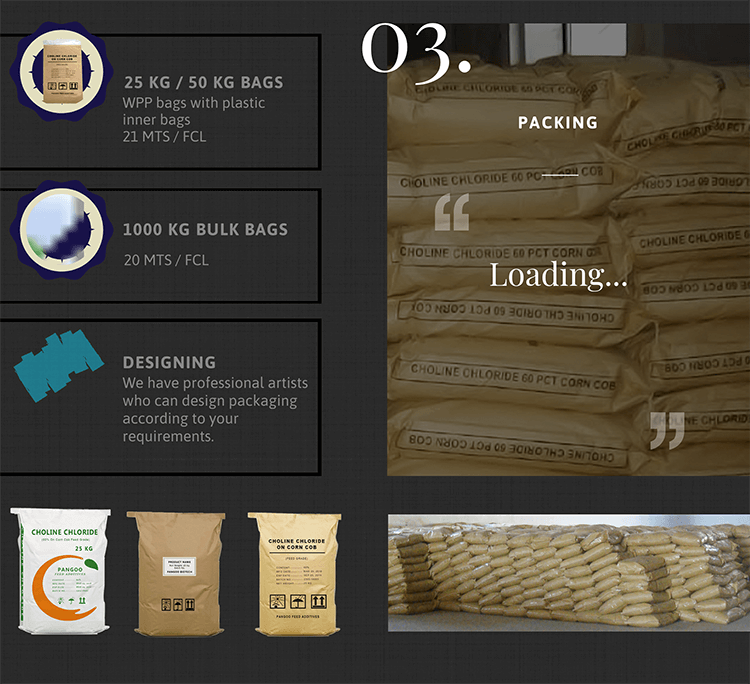
Many buyers start with one product. Then they learn a simple truth. Freight and paperwork cost money too. If you ship lysine from Supplier A and methionine from Supplier B, you manage twice the risk. You also lose container efficiency.
A single supplier basket can include:
This model helps distributors build a stable catalog. It also helps feed mills reduce supplier audits. The key is to choose a partner that can support repeat quality and stable export logistics.
For basket planning, this category hub on amino acid feed additives supplier lysine methionine gives a clean view. For formulation pairing logic, use amino acid feed formulation guidelines. If you want to add more amino acids beyond lysine, the guide on threonine and tryptophan feed additives supports cross-sell.
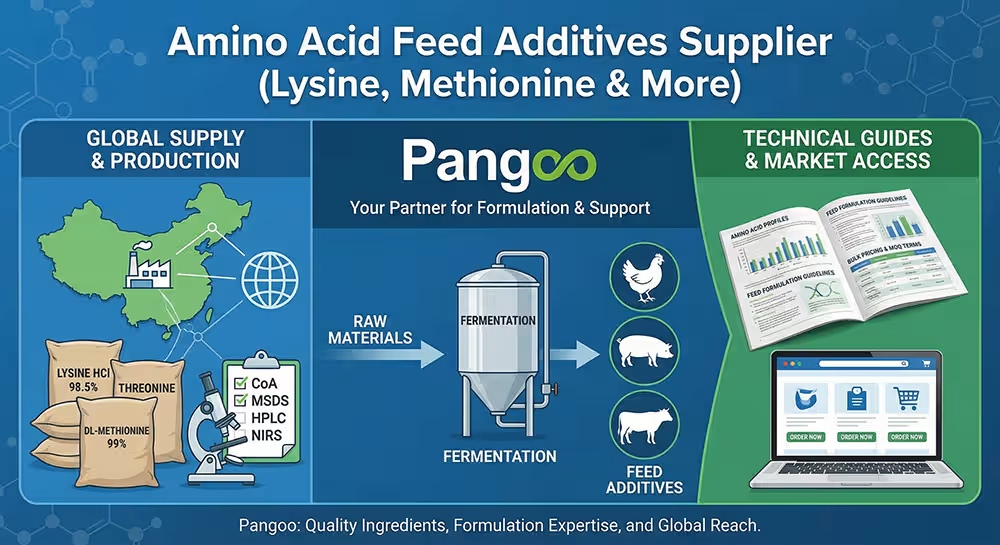
Bulk buyers want repeat wins. They want the same assay. They want the same packing. They want the same shipment behavior. Pangoo works in this lane with long-term manufacturing experience and a product set that supports full feed programs.
A stable supplier should offer:
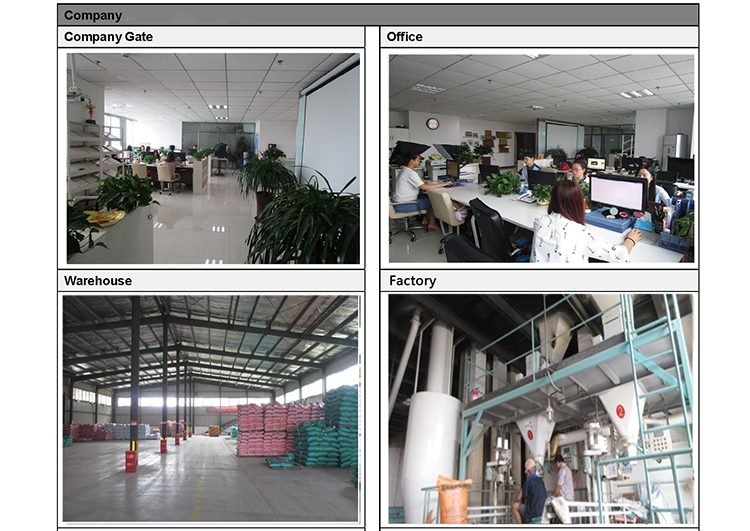
If you want to see how the broader product system connects, start from Pangoo homepage and review the full list under products. Many buyers also look at factory capability first through feed additive manufacturing process facilities to confirm supply stability before they quote customers.
Most premix plants choose L-Lysine HCl 98.5% because dosing is simple and concentration is high. Cost-driven projects may use lysine sulfate if the formula can accept a higher inclusion rate. Product specs are easy to compare on L-Lysine HCl 98.5.
Yes, many mills lower crude protein and keep growth stable when they balance amino acids. The key is to keep the right ratios, not only raise lysine. This guide on amino acid feed formulation guidelines helps set safe targets.
A normal export set includes COA, MSDS, packing list, invoice, and batch labels. Some buyers also ask for shelf-life notes and lab method details. You can find standard formats in COA resources and safety files in MSDS.
The top issues are moisture pickup, weak bags, labeling errors, and uneven mixing at the feed mill. Good packing and dry storage prevent most problems. This reference on amino acid storage and shelf life is useful for customer SOP.
Start with your target market volume, then match it to container loading math. Keep terms clear and repeatable so you can scale. A clean framework is on bulk pricing MOQ payment terms for importers.
Yes. Many buyers ship a basket to improve freight efficiency and simplify audits. This product hub helps plan mixed sourcing: amino acid feed additives supplier lysine methionine.