Brewer’s yeast animal feed comes from beer fermentation. The yeast is usually Saccharomyces cerevisiae. Brewers remove extra yeast after fermentation. Feed processors then turn that yeast into a stable ingredient.
This ingredient is not “just protein.” It also brings cell wall fractions like β-glucans and MOS, plus natural B-vitamins. Many farms use it when animals face stress, weak appetite, or gut issues.
Buyers often compare it to feed yeast. The main difference is the source stream. Brewer’s yeast comes from brewing tanks. Feed yeast can come from purpose-built fermentation lines.
Many importers source brewer’s yeast as part of a broader China feed additive supply chain because China has strong capacity and flexible spec options. For related categories, see bulk feed additives manufacturer in China and china feed additives.

Breweries grow yeast in anaerobic tanks. After fermentation ends, the yeast settles and gets separated from the beer. This leftover yeast can be 5–10% of tank volume per batch.
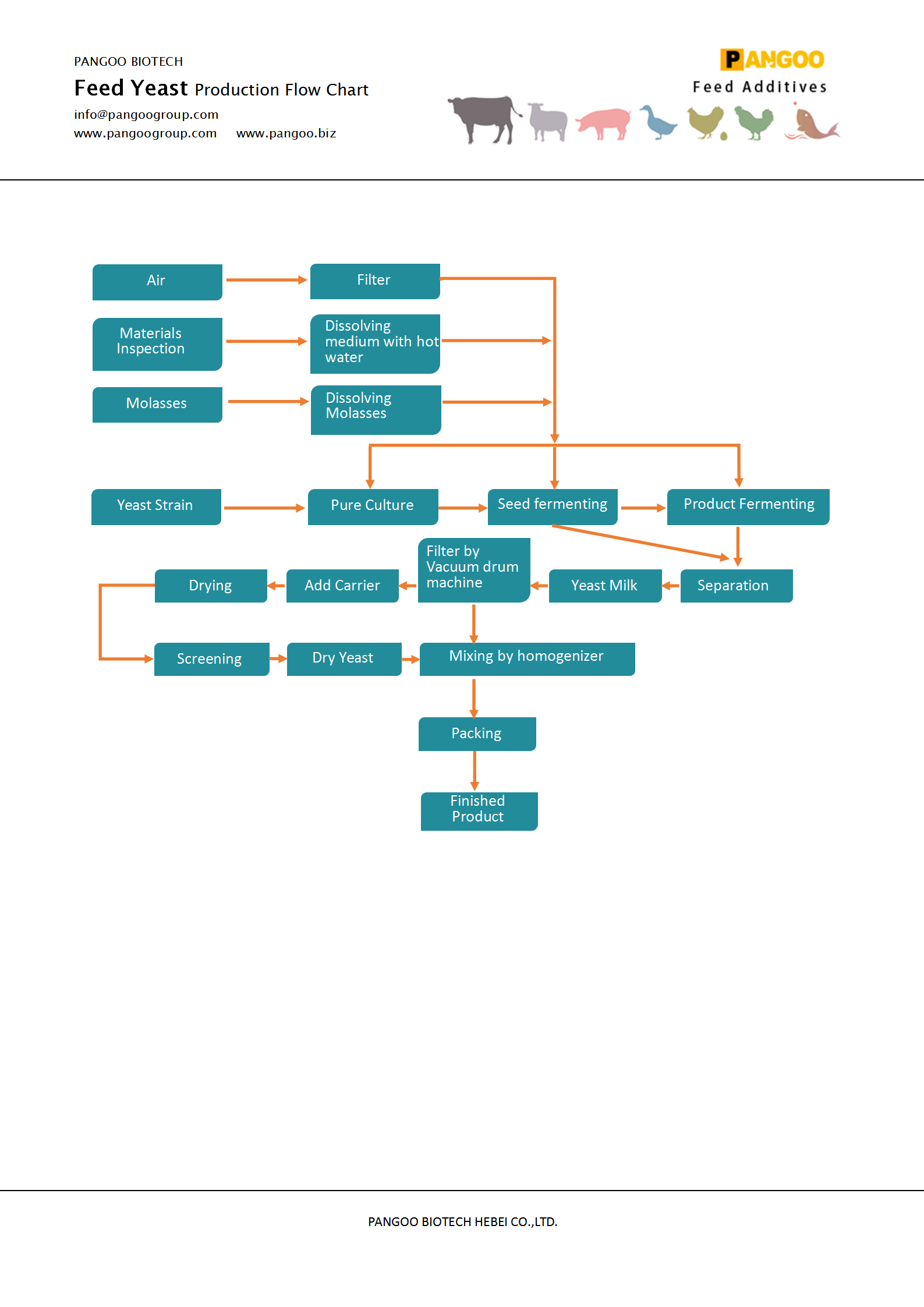
Processors convert liquid yeast into feed products in two main ways:
Heat treatment keeps the yeast cell wall structure stable. That matters because β-glucans and MOS still work after the yeast cells die.
Drying adds cost, but it unlocks scale. It improves shelf life and allows global shipping. That is why dry yeast leads the market.
For buyers who need supplier process transparency, it helps to check a factory’s feed additive manufacturing process facilities and compare with a standard production flow chart. These checks reduce risk during long-term contracts.
Brewer’s yeast animal feed is a dense ingredient. Most feed-grade dried material sits inside these ranges:
| Component | Typical range (DM) | Why it matters |
|---|---|---|
| Crude protein | 40–50% | Builds muscle, milk, eggs |
| Fat | 1.5–5% | Adds energy and absorption support |
| Fiber | 0.5–2% | Low fiber helps digestion balance |
| Ash | 6.5–8.5% | Adds mineral load and electrolytes |
Buyers like brewer’s yeast because it fits many formulas without heavy changes. It also supports clean label positioning as a natural fermentation co-product.
Still, spec control matters. Protein can shift by brewery strain, processing temperature, and storage time. Serious importers often request COA checks to confirm basics before a bulk booking.
If you manage nutrition programs with amino acids, pair brewer’s yeast with a clear amino acid feed formulation guideline and validate input specs using amino acid quality control assay testing.

Brewer’s yeast protein is complete. It includes all essential amino acids in naturally balanced ratios. Glutamic acid and aspartic acid often dominate the profile. Many buyers like this because it reduces the need for complex protein blending.
A key point is simple: brewer’s yeast is not a “single-amino-acid hero.” It does not win by being the best lysine source. It wins because it is steady and balanced.
That is why many feed mills treat it as a protein stabilizer ingredient. They then use precise amino acid additives to hit exact targets for broilers, layers, or swine.
For example, mills often combine brewer’s yeast with L-lysine feed grade bulk supply and DL-methionine feed grade specs bulk supply. This approach keeps costs predictable while maintaining growth results.
If you build poultry profiles, comparing a yeast base with amino acid profiles for poultry helps you avoid over-formulation and reduce waste.
Brewer’s yeast animal feed has functional parts that go beyond crude protein:
β-glucans and MOS support gut defense. They can bind harmful bacteria and help immune signaling. Farms often see more value during stress windows like weaning, transport, or heat.
B-vitamins help appetite and energy metabolism. Many premixes add synthetic vitamins, but yeast can still add support as part of the natural matrix.
Nucleic acids can help metabolic demand, but they also raise inclusion risk if levels get too high. That is why diet limits matter.
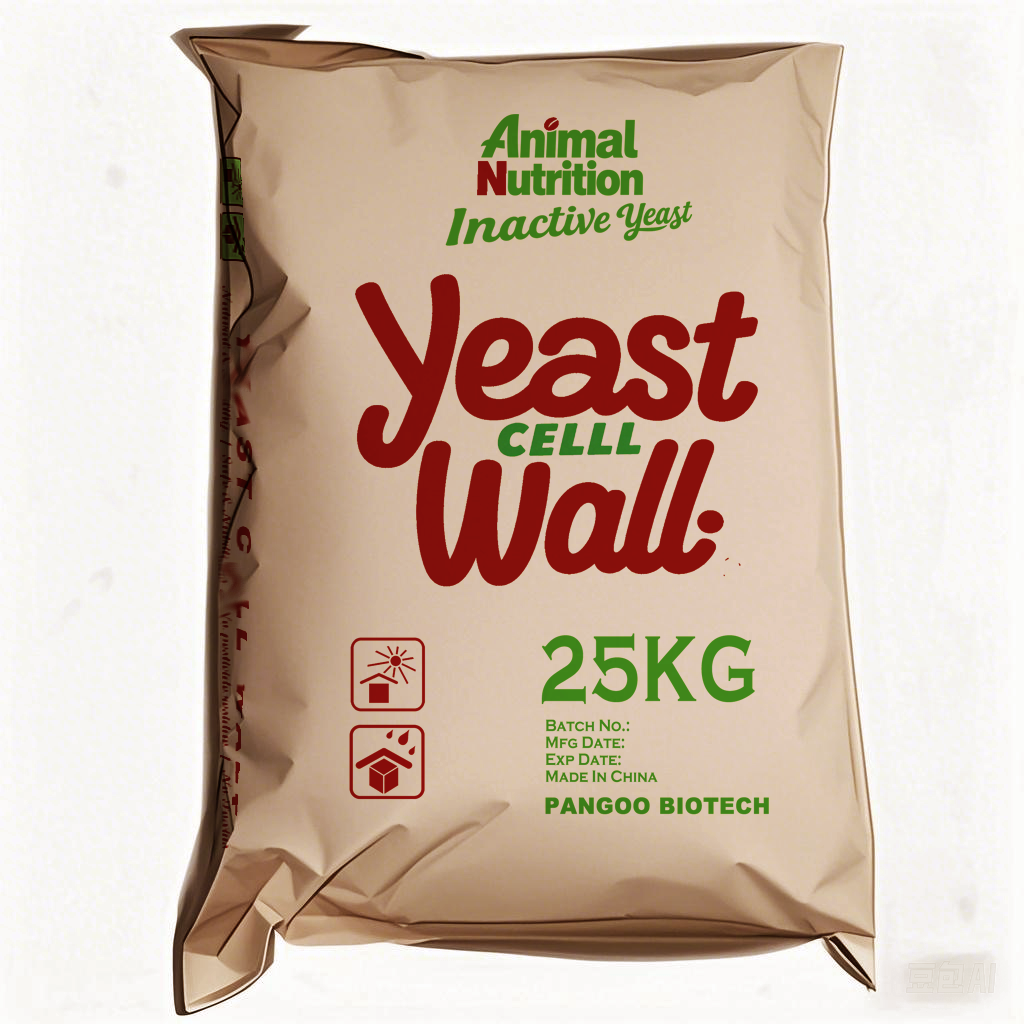
For buyers who want concentrated immune tools, yeast cell wall products can be used alongside brewer’s yeast. See yeast cell wall options and broader natural feed additives sourcing.
Dairy farms use brewer’s yeast to support rumen function. Many trials show 2–5% milk yield improvement when yeast is used at practical inclusion levels. The response depends on diet, stage, and stress load.
Yeast helps stabilize rumen fermentation. It supports fiber bacteria and helps reduce pH swings. That can matter most in high-starch diets where subclinical acidosis can hide.
Transition cows can also benefit. Farms report better energy balance and fewer metabolic issues when rumen function stays steady around calving.
Heat stress is another use case. Some studies show yeast reduces summer milk drops by 10–20% compared to controls. That is valuable for farms in hot regions.
If you design yeast strategies for dairy, align them with practical feeding plans like optimal yeast feeding strategies for dairy cows. For buyers building complete rations, it also helps to check feed supplements boosting livestock nutrition.
Brewer’s yeast animal feed shows strong value in young animals because gut defense is weak during early life. Research reports:
These results fit the modern market push toward lower antibiotic use. Farms want health support that does not look like a drug.
The best results often show up when calves face stress: group housing, hygiene challenges, or weather changes. Yeast can act as a supportive tool while farms improve colostrum, bedding, and ventilation.
Many buyers also combine yeast with targeted amino acids that support growth after illness. That can include threonine and tryptophan tools like threonine gut health broilers and tryptophan stress reduction poultry concepts, applied with species-appropriate logic.
For international importers building education for farms, FAQ for international feed additive buyers helps answer common compliance and ordering questions.
Beef finishing diets can be harsh on rumen balance. High-grain rations push rumen pH down. That reduces fiber digestion and increases acidosis risk. Brewer’s yeast helps stabilize fermentation, which can lift performance.
Some finishing trials show:
These gains happen because cattle waste less energy fighting rumen stress. Feed conversion improves when rumen microbes stay stable.
In forage-based growing systems, results are often smaller. The rumen is already more stable when forage is high. That is why yeast looks strongest in high-energy finishing programs.
If you bundle yeast into a broader beef additive plan, it helps to compare with other feed ingredients like DDGS and corn gluten meal. These references support smarter replacement decisions: ddgs product and corn gluten meal feed for livestock.
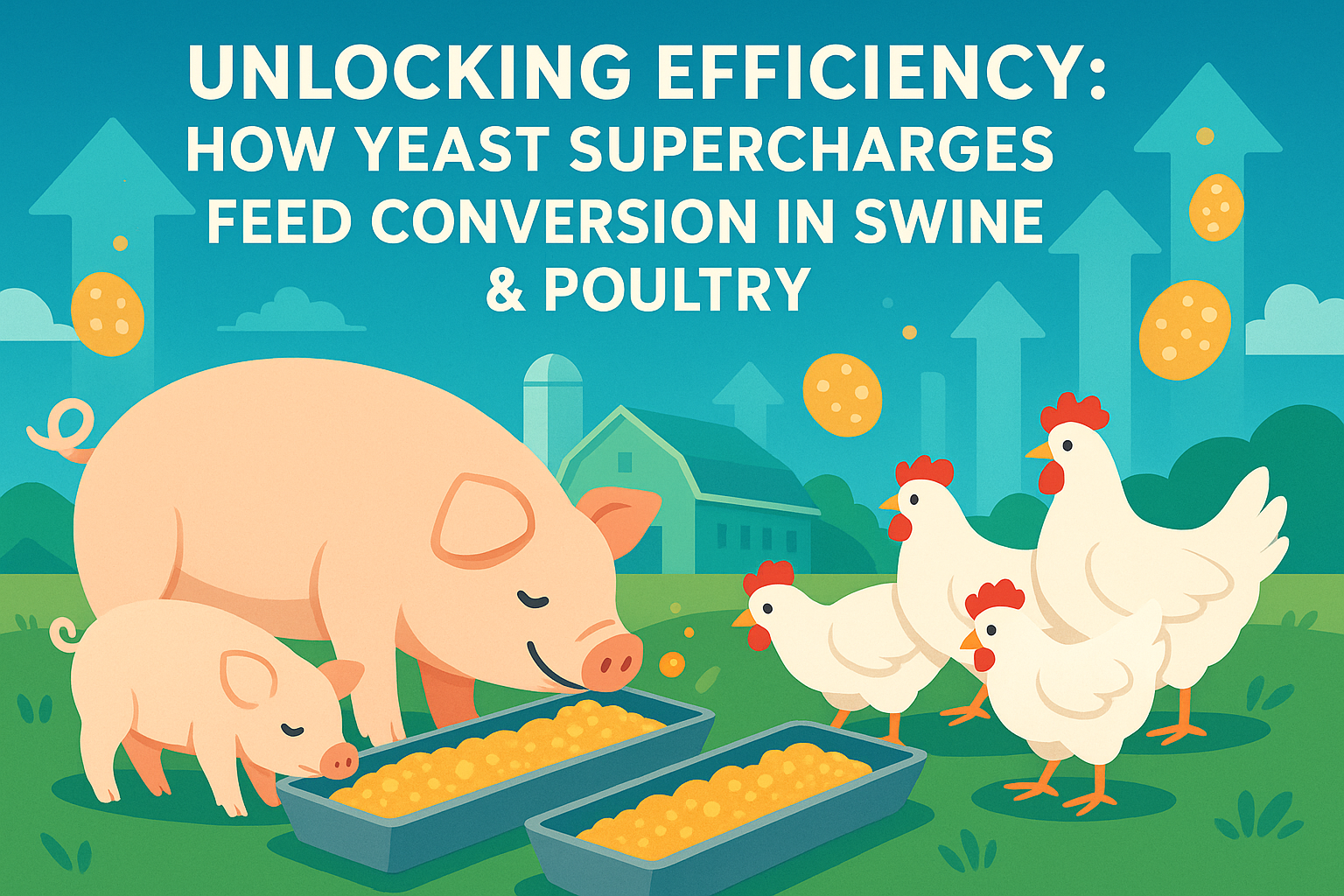
Poultry producers like brewer’s yeast because it supports growth without antibiotic dependency. Broiler diets often include yeast in small ranges. Research shows improved daily gain with best response around practical mid-level inclusion.
Common poultry outcomes include:
Layers also show value. Yeast can support egg output and shell quality when mineral absorption improves.
For formulation teams, yeast works best when amino acids stay balanced. Broilers still need precision for methionine, lysine, threonine, and tryptophan. Use a yeast base with smart balancing like amino acid feed additives for poultry and compare options like amino acid blends vs single additives in poultry feed.
To map needs by bird stage, use reference matrices like broiler grower matrix and layer hen standards.

Weaned piglets face a hard change. They switch feed, lose milk support, and meet new pen mates. This stress can trigger diarrhea and slow growth. Yeast helps stabilize gut conditions during this window.
Some studies show better daily gain and stronger gain-to-feed ratios when yeast sits at low inclusion levels. The biggest wins appear in messy real-life farms where sanitation and stress are not perfect.
Yeast can support intestinal barrier function and reduce harmful bacteria attachment. It also supports appetite recovery after stress.
Swine programs still need amino acid control. Yeast does not replace a clean amino acid plan. Many feed mills pair yeast with a strong lysine backbone, supported by diet targets like amino acid requirements swine and practical tools like L-lysine HCL swine poultry.
If your business sells to swine buyers, this broader market view helps: feed additives for swine a comprehensive guide and swine nutrition why feed yeast is growing in demand.
Pricing depends on spec, protein level, and order size. In China, standard feed-grade dried brewer’s yeast (around 45% protein) often sits near:
This gap is normal. Small orders carry higher packaging, handling, testing, and logistics costs.
Dry yeast dominates long-distance trade because shipping is easier and shelf life is longer. Liquid yeast only works near breweries due to spoilage risk.
Importers should focus on three checks:
For purchase planning, review bulk pricing MOQ payment terms for importers and match it with a supplier’s global markets distributors we serve to avoid route and documentation delays.
Safety is not optional in brewer’s yeast animal feed. The biggest risk is simple: do not feed live brewer’s yeast directly to cattle. Live yeast can ferment inside the rumen and create dangerous gas buildup.
Feed mills should demand heat inactivation proof for ruminant use. They should also train end users who source yeast directly from local breweries.
The second risk is nucleic acids. Brewer’s yeast can carry 7–10% nucleic acids (RNA). Too much can raise uric acid load and increase urinary calculi risk in cattle. The practical control is a diet rule:
Good suppliers support safe use by offering stable specs, clear COA data, and handling guidance.
For buyers who compare yeast products, it helps to see differences between yeast culture, feed yeast, and brewer’s yeast forms. You can also review Saccharomyces cerevisiae product options for correct category selection.

Brewer’s yeast animal feed sells best when you lead with farm results, not just protein. Most buyers already know soybean meal. They want proof that yeast helps performance and lowers risk.
Strong product positioning uses three angles:
Distributors win when they teach correct use. Many farmers know yeast exists, but they do not know inclusion rules or the live yeast danger. Training closes the adoption gap fast.
Bundled selling also works. Yeast fits with amino acids, organic acids, and mineral supports. For example, pairing with DL-methionine 99 and L-lysine HCL 98.5 helps buyers hit growth targets without overpaying for protein alone.
For export business building, anchor your trust story using why import feed additives from China and a clear COA process page.
Brewer’s yeast animal feed supports protein supply, gut stability, and immune response in cattle, poultry, and swine. It is popular during weaning, heat stress, and transition periods. Many buyers also use it as a natural support to reduce antibiotic dependence. For more yeast basics, see introduction to brewers yeast for animal feed.
Most programs keep brewer’s yeast at low to moderate inclusion, and ruminants often follow the safety rule of under 2–3% of diet dry matter. The best rate depends on species, diet energy level, and farm stress load. If you build full amino acid targets, use amino acids feed additives and amino acid storage shelf life guide to protect stability.
It is safe when it is heat-inactivated and used at correct diet levels. Live yeast can ferment in the rumen and create serious bloat risk. Buyers should only use feed-grade product with clear documentation. If you compare yeast types, read a comprehensive guide to feed yeast for livestock and poultry.
Brewer’s yeast comes from brewery fermentation. Feed yeast often comes from dedicated fermentation for feed. Both can support performance, but specs and consistency can differ. If you sell yeast products across categories, review top 5 benefits of using animal feed yeast and top 4 L-lysine HCL manufacturers China for common bundling logic.
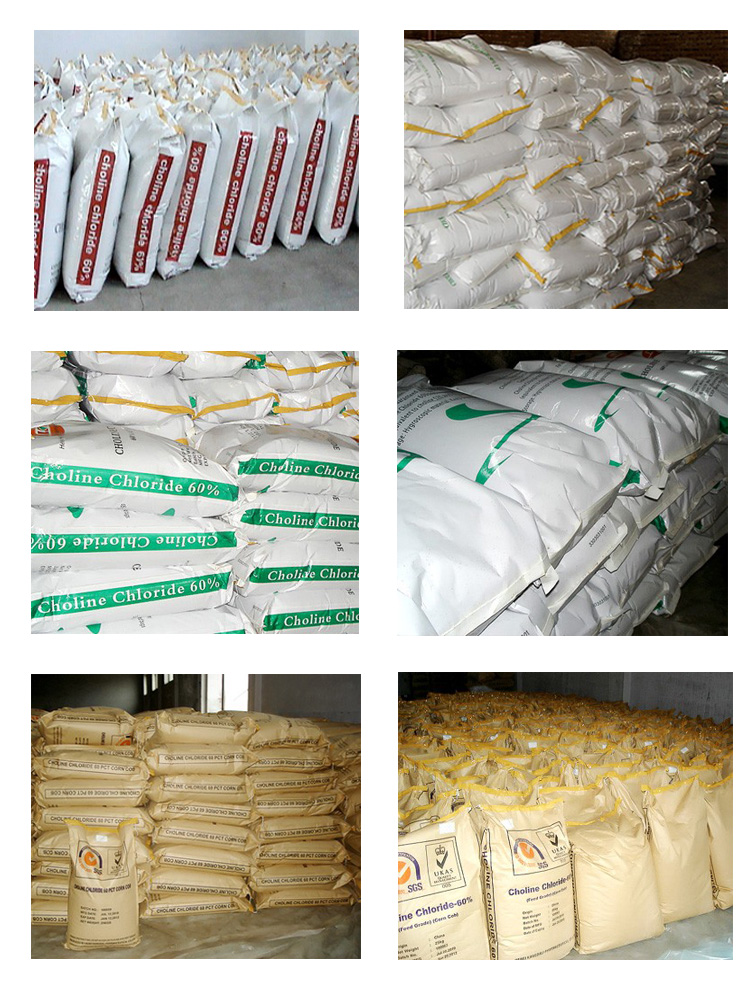
Serious buyers request a COA, spec sheet, and clear labeling for intended use. Many also ask for packaging photos, batch codes, and basic safety sheets for handling. For trade planning, check bulk pricing MOQ payment terms importers and MSDS requirements to reduce customs and warehouse delays.
Brewer’s yeast can replace part of protein supply, but it is rarely a full substitute. Its value includes functional parts like β-glucans and MOS, not just protein. Many feed mills use it as a performance-support ingredient and then balance amino acids with tools like essential amino acids for animal nutrition and L-lysine feed grade complete guide.