| Key Takeaways | What matters most for buyers |
|---|---|
| Product form drives cost | 60% powder on corn cob is common for feed importers; liquids need tighter logistics. |
| Price moves with inputs | Trimethylamine, ethylene oxide, energy, freight, duties can shift landed cost fast. |
| Quality wins repeat orders | Ask for COA + MSDS + assay plan, then lock specs before payment. |
| Packaging protects potency | Moisture control, pallet wrap, and clear labeling reduce claims and rework. |
| Trade risk is real | EU anti-dumping duties (Dec 2025) changed sourcing math for some routes. |
| Build a broader basket | Pair choline with amino acids, acids, and vitamins to steady supply and margin. |
Choline Chloride Wholesale is a bulk buy of a high-use feed nutrient that supports growth, metabolism, and flock output. Import teams treat it like a “must-have” line because mills reorder it often and specs stay stable when suppliers control process and moisture.

Most buyers focus on three outcomes: steady quality, steady landed cost, and fewer customs delays. A good wholesale program starts with clear grade, clear carrier (corn cob or silica), and clear documentation. Many distributors also ask for a supplier that can support a broader basket, so one container can carry multiple additives.
For a wider sourcing view, see bulk feed additives manufacturer in China and the regions covered in global markets and distributors we serve.
Feed buyers often choose 60% choline chloride powder because it ships well and fits standard dosing systems. The carrier matters. Corn cob carriers can improve flow and reduce caking risk in some climates. Silica carriers can fit other handling needs. Liquids can work for premix plants with tanks, yet they add leak and temperature risk.
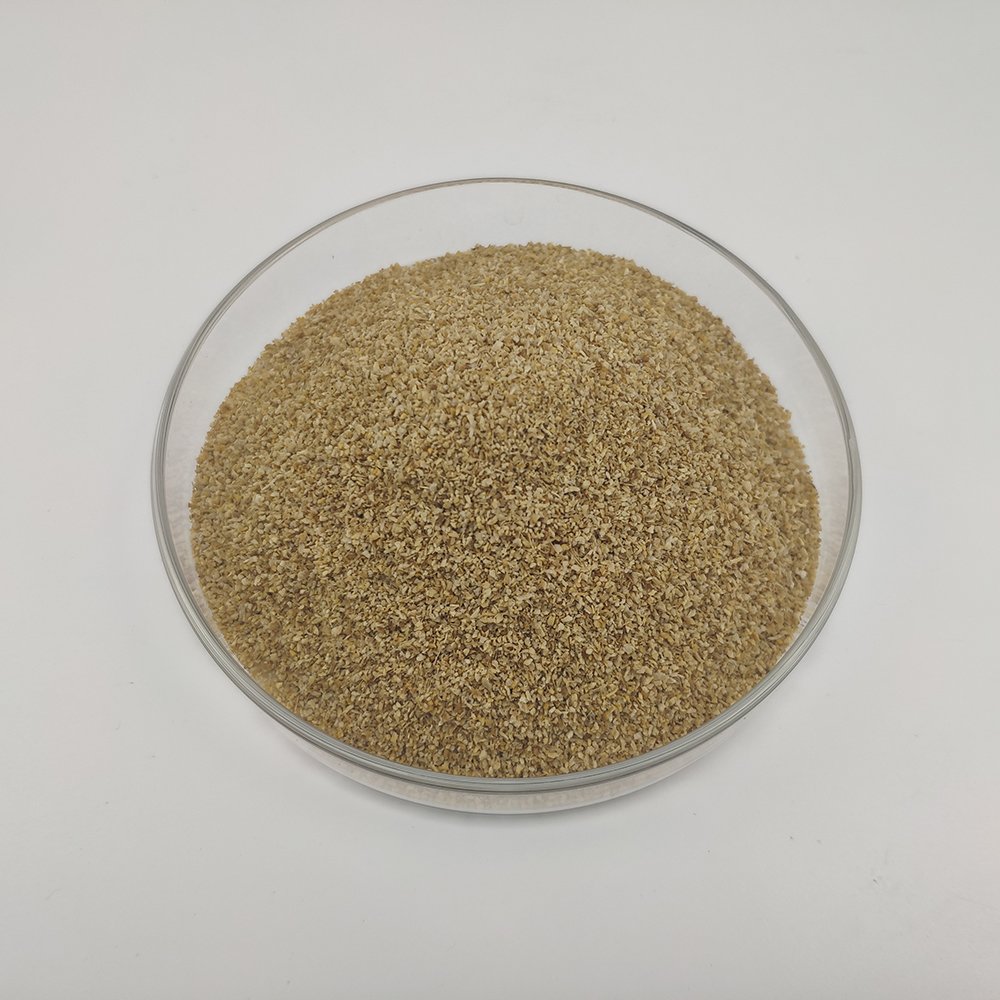
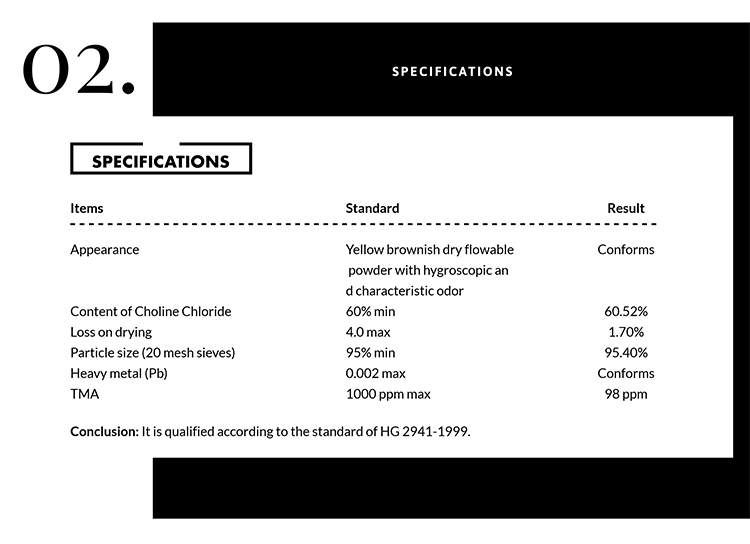
A simple spec check keeps orders clean:
For a product reference, use choline chloride 60% feed-grade product specs. For carrier context, review choline chloride corn cob applications.
Choline supports fat metabolism and helps prevent nutrition-linked issues tied to low choline intake. Poultry buyers often watch it for broiler growth, layer output, and flock uniformity. Livestock programs use it as part of a full nutrient plan, not as a solo fix.

Strong wholesale conversations stay practical:
For feed-focused guidance, use choline chloride animal feed guide and poultry outcomes in choline chloride benefits in poultry.
Feed demand rises with poultry and livestock expansion, yet buyers still face price swings. Many markets show steady growth projections, and buyers feel it through tighter factory schedules and longer lead times in peak seasons.
Importers track a short list of signals:
Many teams also compare choline against the rest of the additive basket. If amino acid pricing drops, mills may rebalance formulas and reorder timing. For a bigger trend view, check global feed additive trends and sourcing logic in why import feed additives from China.
Choline pricing often shifts with raw materials and energy. Buyers also see effects from packaging, inland trucking, port fees, and currency moves. Landed cost can change even when the supplier quote stays flat.
A simple landed-cost checklist helps:
Price talks go smoother when MOQ and payment rules are clear early. Use bulk pricing, MOQ, and payment terms for importers and compare trade routes in top export destinations for Chinese feed additives.
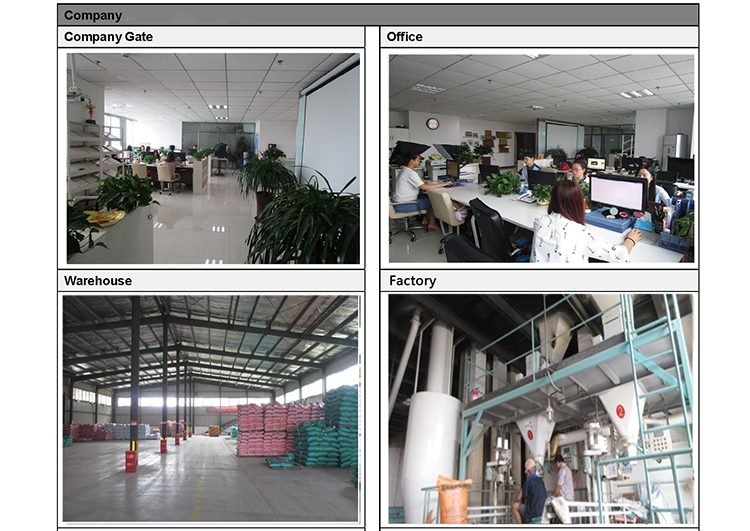
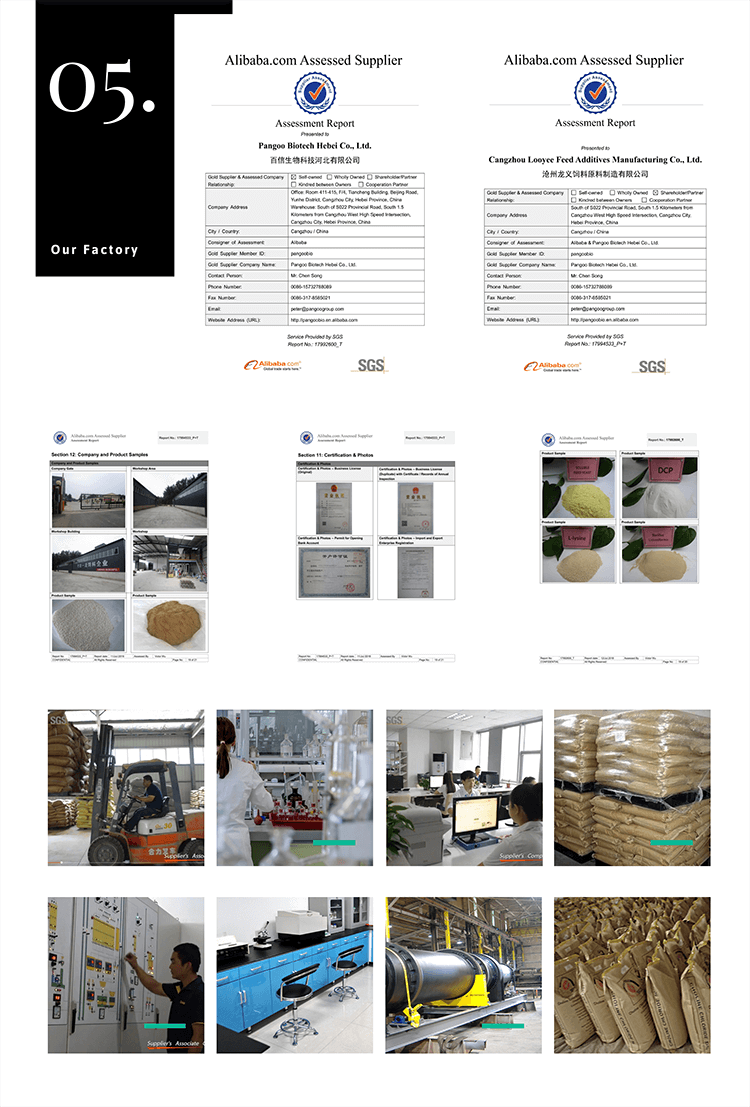
A solid supplier looks boring on paper: stable plant, stable QC, stable documents, stable packing. That is exactly what distributors want, since claims and returns can erase a year of margin.
Use a simple screening flow:
Many buyers also ask for a small pre-ship sample from the same batch, then match it to the COA. For deeper selection rules, use choosing the best choline chloride supplier and sourcing steps in how to choose a supplier in China.
Wholesale buyers rarely lose deals on price alone. They lose deals on unclear documents. A clean document pack reduces customs questions and protects you during customer audits.
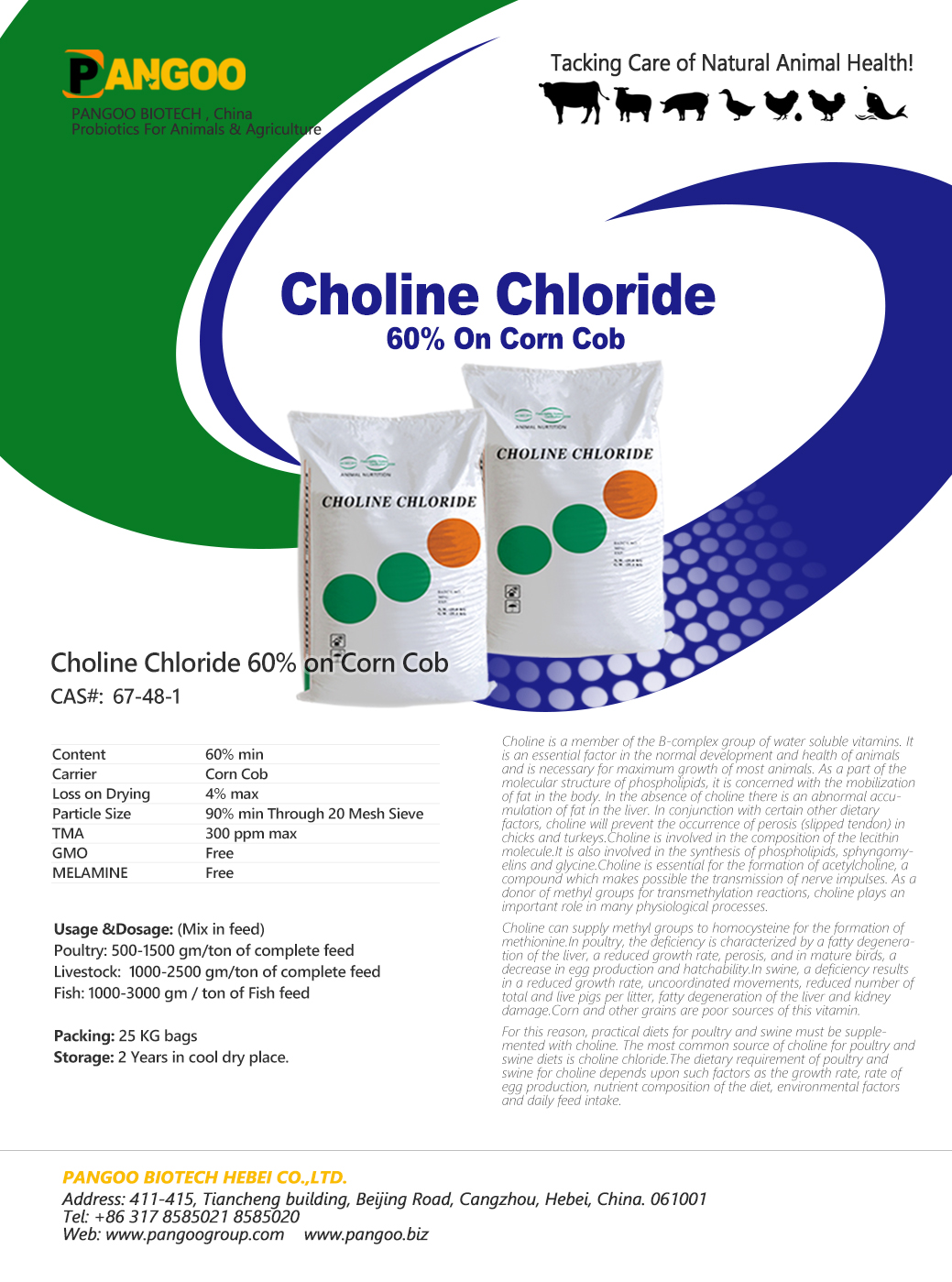
A strong pack usually includes:
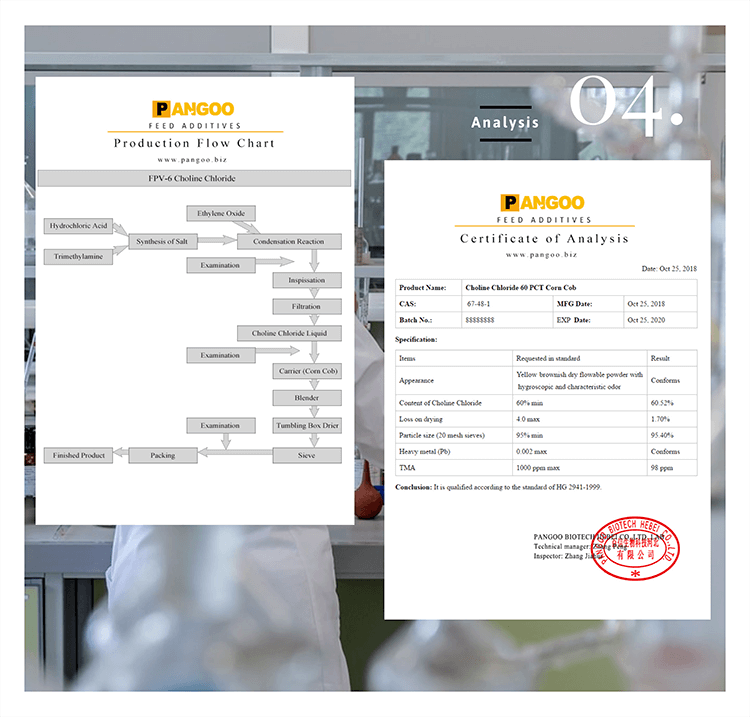
Many distributors also keep a retain sample for the shelf-life window. That step helps settle disputes fast. For testing and documentation, use amino acid quality control and assay testing methods plus the standard formats in COA templates and guidance and MSDS access.
Choline chloride is water-soluble and can pull moisture from the air. Moisture drives caking, smell changes, and hard-to-handle powder. Packaging choices protect both handling and assay stability.
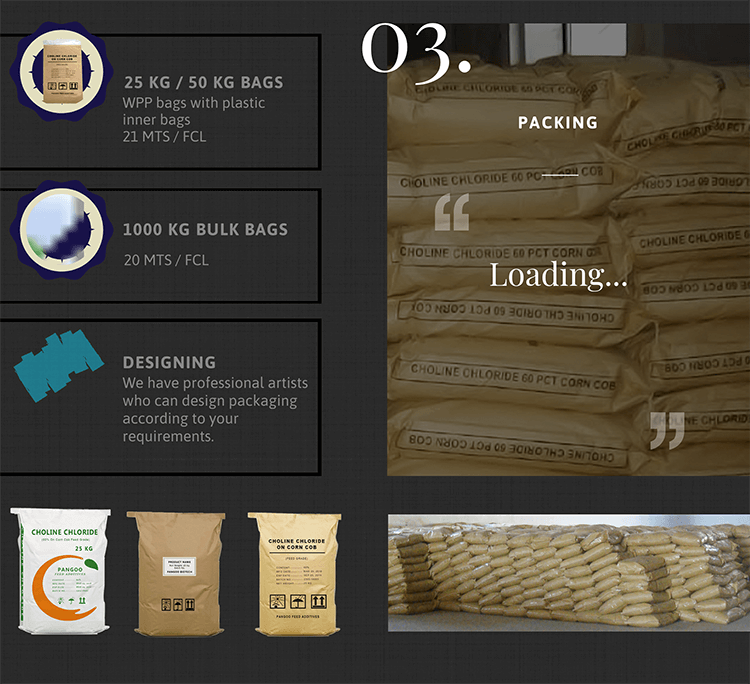
Practical controls that work:
Distributors often add a simple inbound check at arrival: bag integrity, odor, flow, and quick moisture screen. Those steps cut downstream problems at the mill. For storage habits you can reuse across additives, see amino acid storage and shelf-life guide and plant-side handling in feed additive manufacturing process and facilities.
Import rules can shift fast. Some buyers adjusted supply plans after the EU imposed definitive anti-dumping duties on certain Chinese choline chloride imports in December 2025 (as reported in market commentary). Trade actions like this can raise landed cost and push buyers to compare origins.
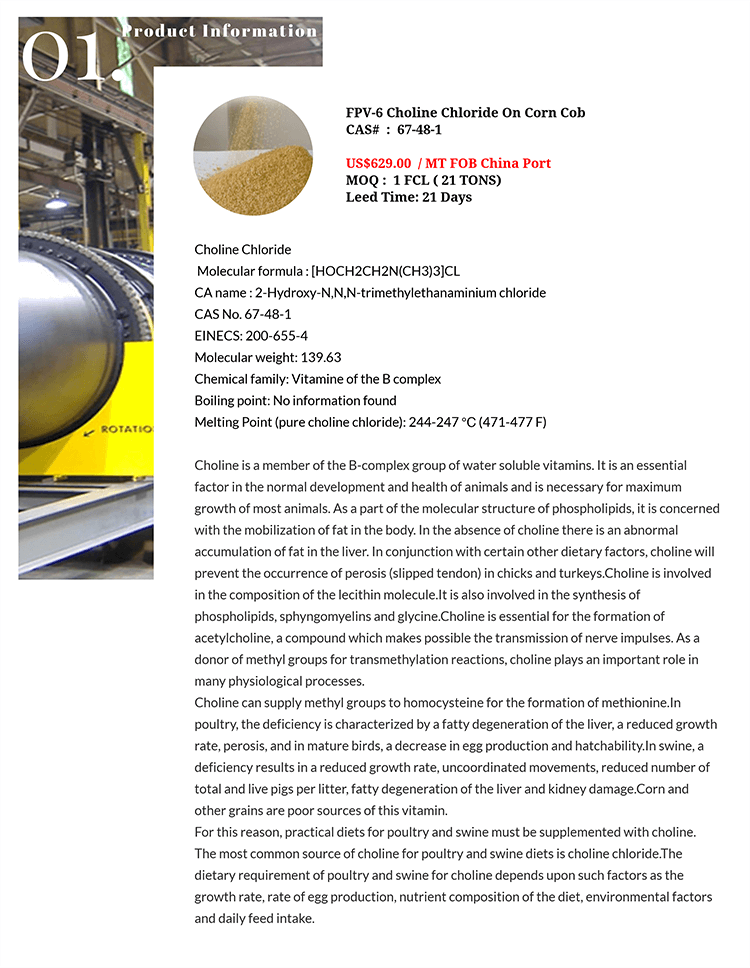
A simple risk plan helps:
Buyers also reduce risk by using suppliers that understand export documentation and customer audits. For importer-focused rules, use FAQ for international feed additive buyers and the sourcing logic in why import feed additives from China.
Logistics decides profit in wholesale. A low ex-works quote can turn expensive after local fees, demurrage, and rework. Many distributors start with FOB, then move to CIF once the lane feels stable.
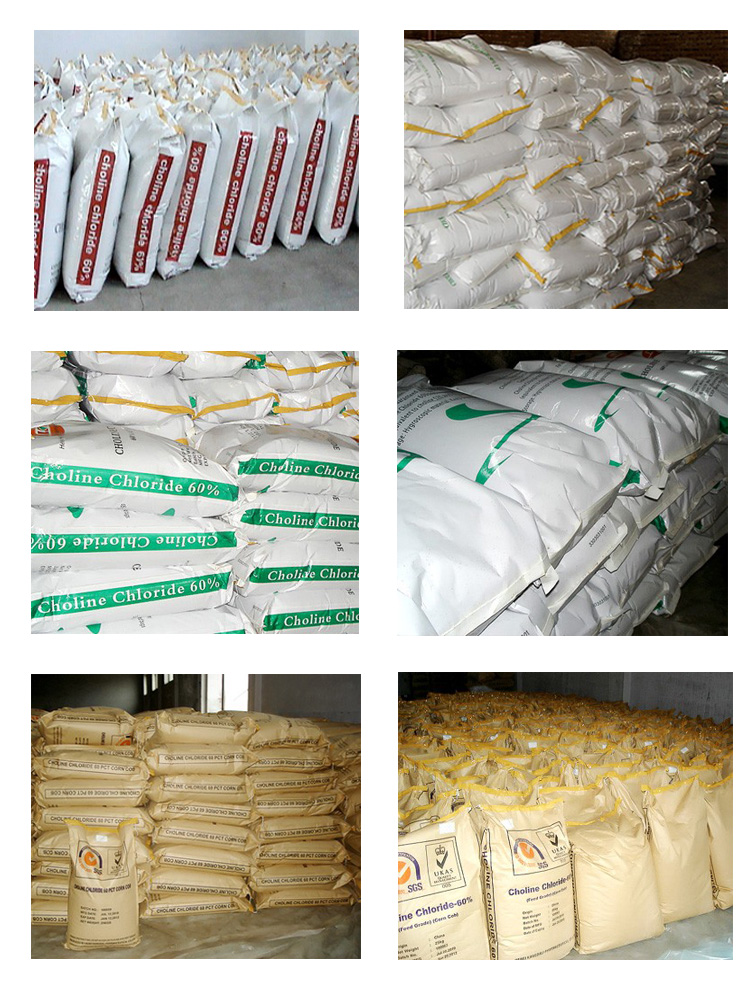
Common best practices:
A short “logistics spec sheet” saves time: incoterm, port, lead time, label language, and document list. For commercial terms, use bulk pricing, MOQ, and payment terms for importers and production visibility in production flow chart.
Choline sells well, yet buyers also want a basket that supports feed performance goals. Many distributors pair it with amino acids, acids, and vitamins so they can win larger orders and reduce the risk of single-item price swings.
A simple bundle plan works:
Bundling also helps with container fill and freight cost per ton. It can raise order stickiness because mills prefer fewer vendors. For related products, use amino acid feed additives supplier (lysine and methionine) plus the catalog hubs vitamins category and minerals category.
What is the most common wholesale spec for feed markets? Many importers buy 60% choline chloride powder because it ships well and fits premix use. Product specs and basic documents often start from choline chloride 60% feed-grade product page.
How do buyers control quality across shipments? They lock specs, request batch COAs, and keep retain samples. A clear QC method helps, like the steps in quality control and assay testing and standard COA access.
What documents should ship with every container? Most buyers require invoice, packing list, COA, and MSDS. MSDS access can stay consistent through MSDS downloads.
How do I choose a reliable supplier in China? Check capacity, QC, export records, and packaging photos. Use a structured checklist from choosing the best choline chloride supplier and general steps in how to choose a supplier in China.
Where does choline bring value in poultry feeds? It supports growth and metabolism, and it helps avoid issues tied to low choline intake. Practical poultry notes sit in choline chloride benefits in poultry.
What terms should I confirm before I pay a deposit? Confirm MOQ, payment method, lead time, labels, packing, and claim rules. Many importers use a standard checklist from bulk pricing, MOQ, and payment terms.
Can I bundle choline with other additives in one shipment? Yes. Bundles often include lysine, methionine, threonine, acids, and vitamins. Start with amino acid feed additives supplier lines and expand through all products.