| Point | What busy buyers should know fast |
|---|---|
| Market size | Feed amino acids reach about USD 11.89 billion by 2032 with steady growth. |
| Threonine role | Threonine is key for gut health, mucin, and immunity in modern low-protein diets. |
| Tryptophan role | Tryptophan helps stress control, feed intake and behavior, especially in swine. |
| Other amino acids | BCAA, histidine, arginine and others shape growth, carcass and milk output. |
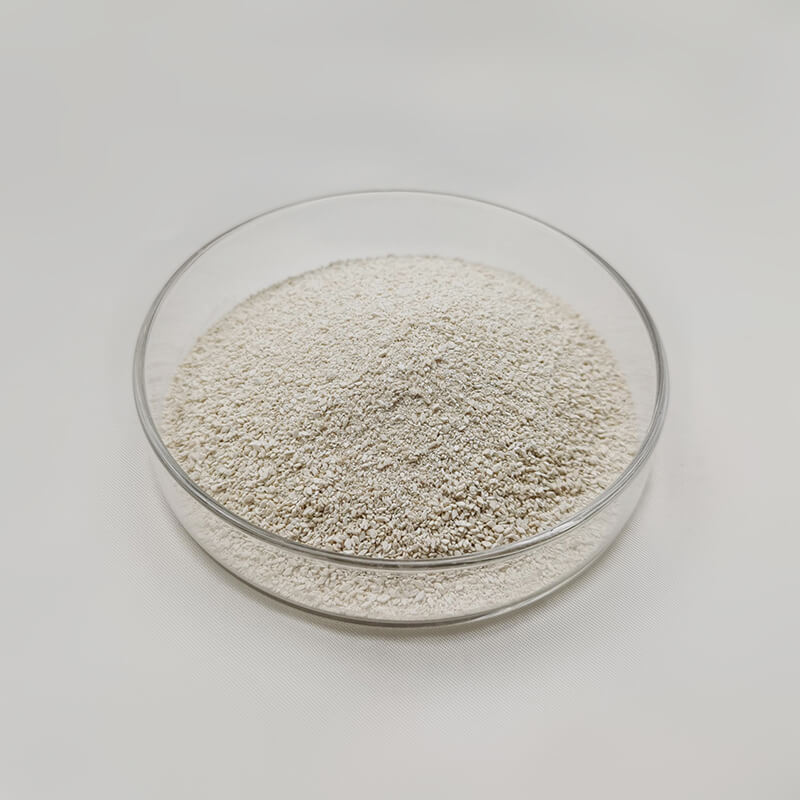
The feed amino acids market grows as farms move to lower crude protein and higher precision. Threonine now grows faster than many other amino acids because people see how it protects the gut and immune system. Tryptophan and BCAA support stress control and muscle growth.
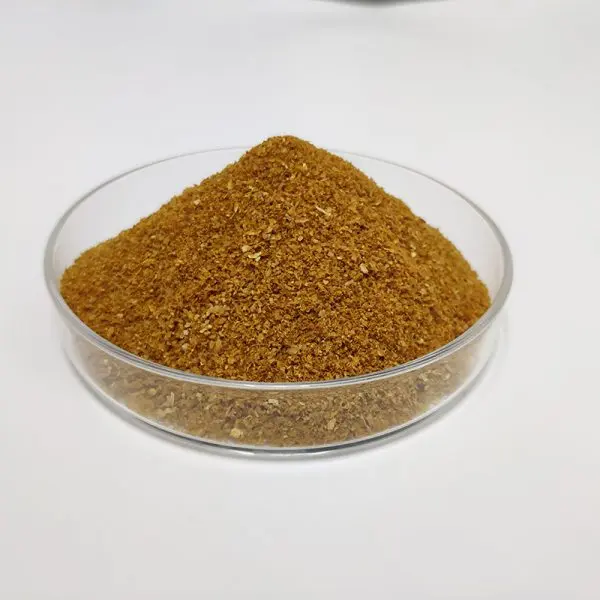
Many countries import key amino acids. The United States depends on overseas suppliers for lysine, methionine, threonine and tryptophan. That is why a stable partner in China matters. Pangoo presents its role on the bulk feed additives manufacturer in China page and in the wider China feed additives overview. Buyers who focus on methionine can study DL-Methionine feed grade specs and bulk supply. Those who want a full lysine view can use the L-Lysine feed grade bulk supply guide.

L-Threonine feed grade is a white crystal with purity near 98.5%. It helps the gut wall produce mucin. This slimy layer protects the villi and keeps harmful bugs away. When diets use less crude protein, threonine keeps gut health strong and helps birds use every gram of protein.
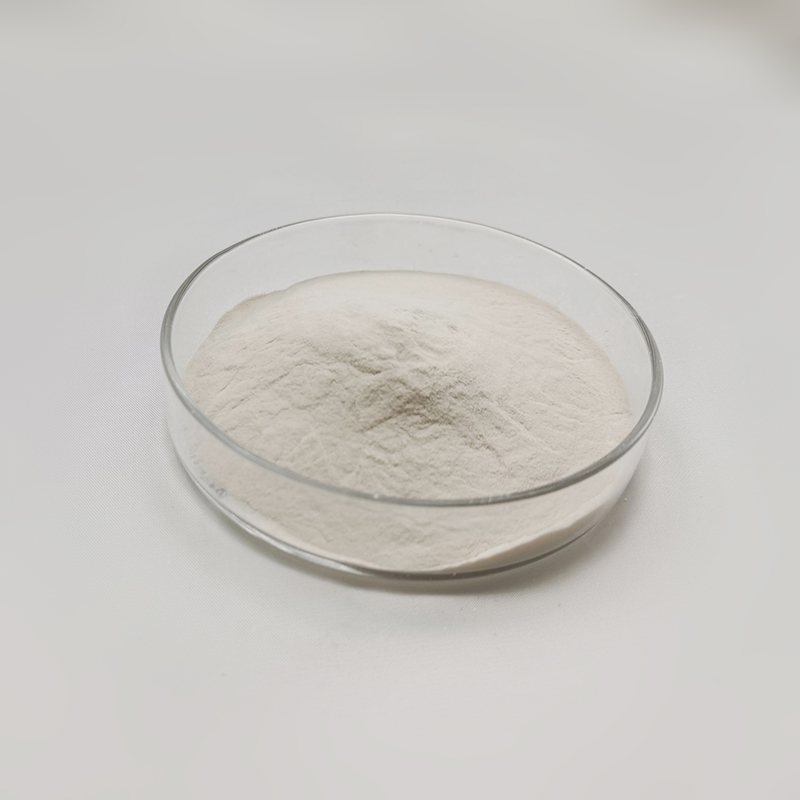
Field work in broilers shows higher villus height, better villus to crypt ratio and stronger thymus when threonine rises about 10% above older tables. The threonine gut health broilers guide explains these effects in simple form. Ratios for each amino acid sit in the amino acid profiles for poultry and essential amino acids for animal nutrition. For pigs, the amino acid requirements for swine overview shows how threonine tracks lysine at each stage.
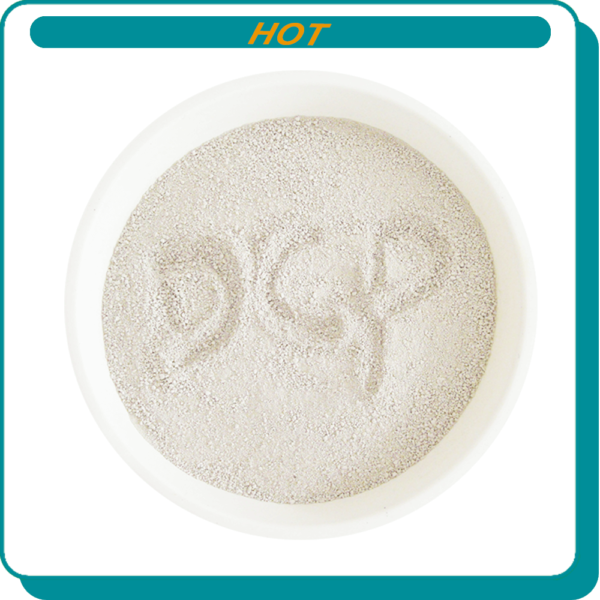
L-Tryptophan feed grade sits behind many calm herds and flocks. It serves as a base for serotonin and melatonin. When diets lack tryptophan, animals eat less, grow slower and react more to stress. When levels match the ideal profile, feed intake and growth improve, and behavior becomes more stable.
For poultry, the tryptophan stress reduction guide gives simple ratios to lysine. The lysine poultry nutrition guide shows how all major amino acids fit together. For pigs, a lysine to tryptophan ratio of about 5:1 often supports good feed intake. You can see how this fits with total protein in the benefits of amino acids in livestock feed overview.

Leucine, isoleucine and valine hold a large share of muscle amino acids. Leucine sends a strong signal to start protein building in muscle. Isoleucine helps energy flow. Valine supports both energy and milk yield. When BCAA stay near ideal ratios, growth and feed efficiency improve without pushing crude protein higher.

In many premix plants, these three amino acids stand beside threonine, lysine and tryptophan in the amino acid feed additives for poultry range. The wider amino acids feed additives pillar shows how they link with vitamins and minerals. When teams build complex programs, the blending custom premix formulas guide helps set safe inclusion steps and mixing rules.
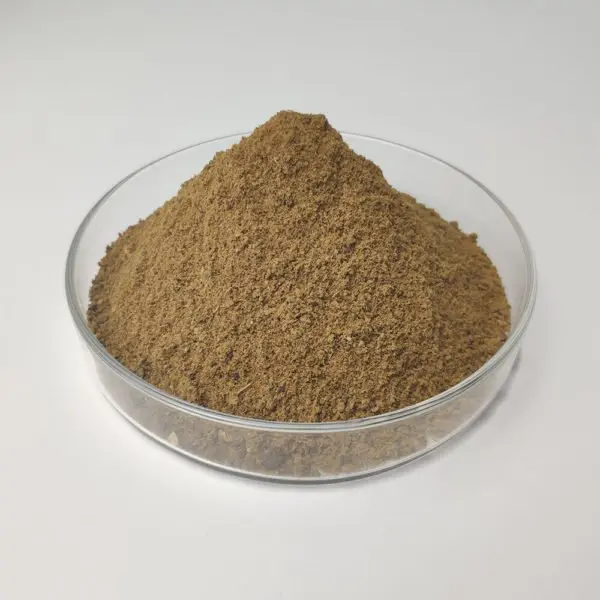
Histidine supports growth and hemoglobin. Phenylalanine supports brain transmitters and bone strength. Arginine plays a big part in immune function and blood flow. Cysteine works in tandem with methionine and supports feathers and antioxidant lines. When methionine is tight, cysteine can ease some of the pressure.
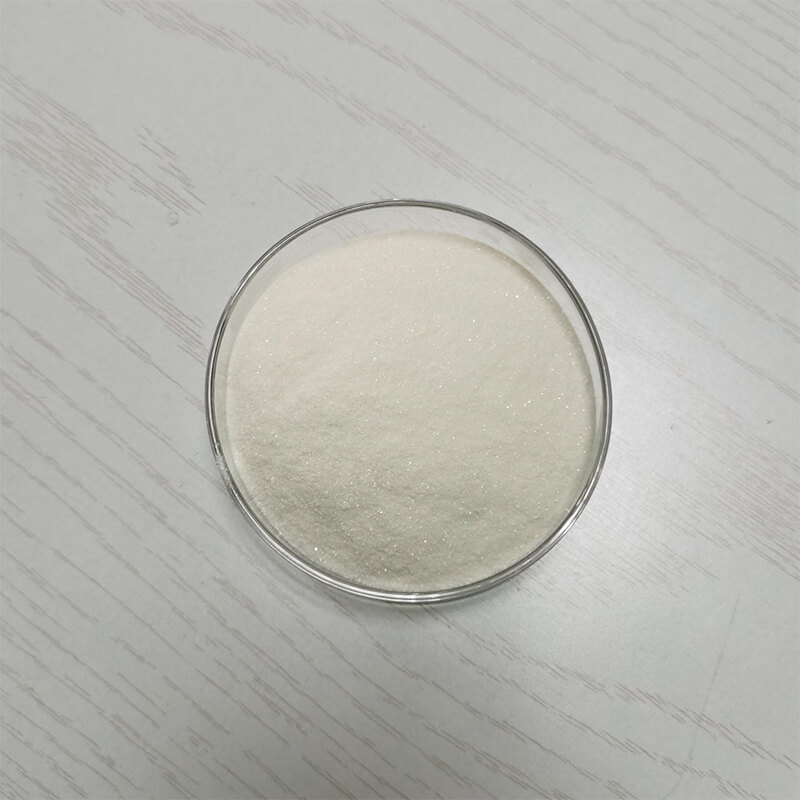
Broiler teams use the methionine broiler performance guide to set Met plus Cys levels along with threonine. These amino acids sit next to main protein sources in the protein sources in poultry diets guide and link with minerals and vitamins from the poultry minerals and vitamins guide.
The ideal protein concept uses lysine as a base and sets each amino acid as a percent of lysine. Threonine often sits near 65–70% of lysine for pigs and 60–70% for broilers. Tryptophan sits around 16–22% of lysine, and BCAA have their own ranges. This keeps diets lean on crude protein while still meeting all needs.
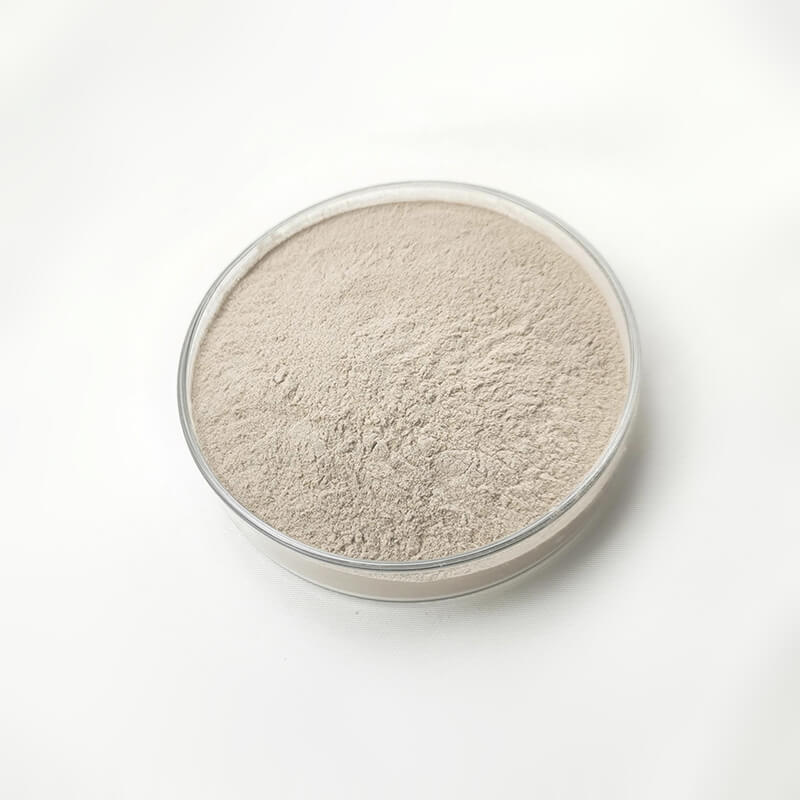
Broiler teams use tools like the broiler grower matrix and chick starter profile next to the essential amino acids for animal nutrition. For storage, the amino acid storage and shelf life guide explains how to keep all these products dry and stable so that ideal ratios on paper still hold in the real bag.
Good programs start with clear species standards. Layers use guides like layer hen standards. Ducks and geese can follow duck and goose requirements. Turkeys use turkey nutrition specs. These tools show baselines for amino acids, minerals and vitamins.
Organic acids often work side by side with amino acids. The organic acids poultry feed guide, encapsulated organic acids guide, propionic acid feed preservation guide, lactic acid poultry diets guide, citric acid digestive efficiency guide and formic acid antimicrobial control guide cover this part. Choline sits beside amino acids in many feeds and is covered by choline chloride benefits in poultry, choline chloride animal feed guide and the choline chloride for animal feed detailed guide.
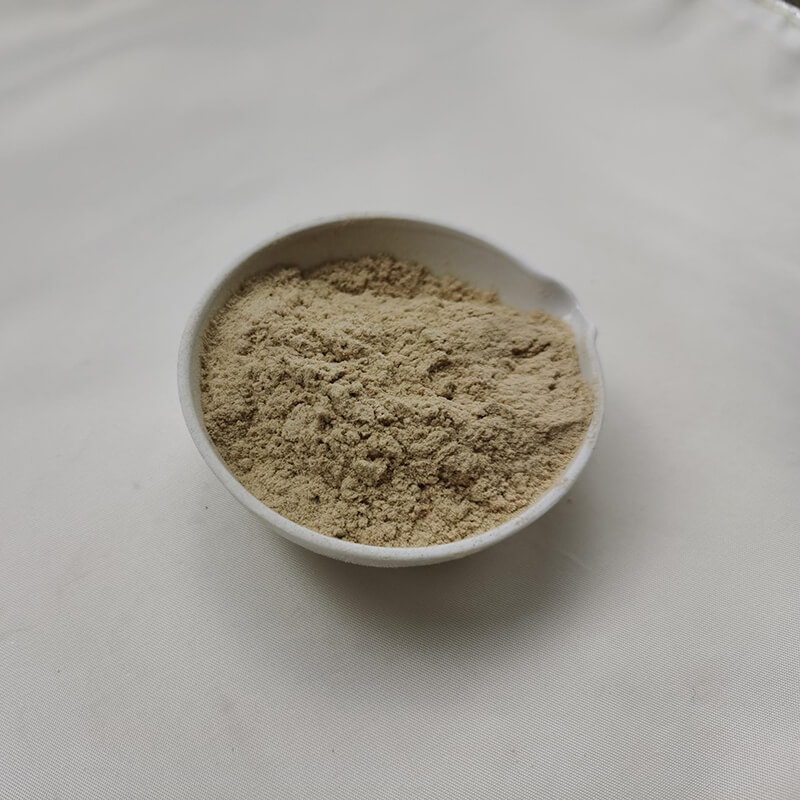
Yeast products combine well with amino acids to support gut health and feed conversion. Pangoo offers feed yeast, soluble feed yeast, and Saccharomyces cerevisiae as core tools in poultry and swine programs. Natural additives like Allicin / Garlicin also appear in many health packs.

Bulk buyers need clear prices, stable quality and smooth delivery. Pangoo explains common price bands and volume steps on the bulk pricing, MOQ and payment terms guide. The FAQ for international feed additive buyers answers daily questions about Incoterms, documents and lab tests.
The global markets and distributors we serve map shows active regions, while top export destinations for Chinese feed additives and demanded feed additives in Africa, Middle East and Latin America give more detail. Guides like why import feed additives from China, how to choose a supplier in China and working with sourcing agents in China help first-time buyers. Export data trends appear in the China feed additive export growth by category report.
Quality systems sit on the feed additive manufacturing process and facilities page, the production flow chart, and the COA and MSDS library. Vitamin and mineral support products live in vitamin-mineral premixes, vitamin category and minerals category.
Q1. How much threonine should I use in a broiler diet? Most broiler plans set threonine near 60–70% of lysine on a digestible basis. Tools like the threonine gut health broilers guide, broiler grower matrix and amino acid profiles for poultry show exact targets for starter, grower and finisher phases.
Q2. How do I use tryptophan to reduce stress in poultry and pigs? Tryptophan works best when set as a clean ratio to lysine. For poultry that is usually 16–18%, and for pigs about 20–22%. The tryptophan stress reduction guide and lysine for animal feed guide give simple tables for both species.
Q3. How should I store threonine, tryptophan and other amino acids? Store bags in a dry, cool place away from walls and direct water. Keep them sealed until use. The amino acid storage and shelf life guide and MSDS collection give full storage and safety tips for each product.
Q4. Which Pangoo products can supply my threonine and other amino acid needs? Pangoo offers L-Threonine feed grade, L-Lysine HCl 98.5%, DL-Methionine 99%, L-Lysine sulfate and more in the amino acids product category. You can see the full list on the products overview page.
Q5. How can I start bulk buying these amino acids from Pangoo? A good first step is to read the FAQ for international feed additive buyers, then review bulk pricing, MOQ and payment terms and global markets and distributors we serve. From there you can request samples and COAs for the amino acids that match your current feed formulas.