Key Takeaways
Vitamin and mineral premixes are special mixes of nutrients. Think of them as a multivitamin for animals. They are added to animal feed to make sure the food has all the good stuff animals need. Sometimes, the main ingredients in feed, like corn or soy, don't have enough of every single vitamin or mineral. A premix fills these gaps. This helps animals grow well, stay healthy, and produce high-quality meat, milk, or eggs. Using a well-made premix from a range of Pangoo's products is a simple way to give animals balanced nutrition.
Water-soluble vitamins are important nutrients that dissolve in water. The body uses what it needs and gets rid of the rest, so animals need them every day. This group includes the B-vitamins (like Thiamine and Riboflavin) and Vitamin C. B-vitamins help turn food into energy. Vitamin C helps the immune system fight off sickness. One important related nutrient is Choline Chloride 60%, which supports nerve function and fat metabolism. Adding these vitamins to a premix is vital for an animal's daily health and energy levels.
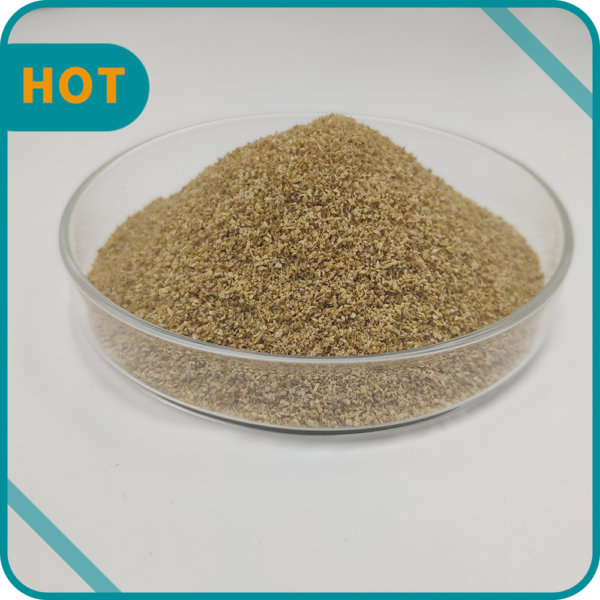
Fat-soluble vitamins are different because they are stored in the body's fatty tissue and liver. This group includes vitamins A, D, E, and K.
These vitamins are crucial for long-term health. For example, the role of vitamins and minerals in chicken growth shows how important these nutrients are for developing strong skeletons and staying healthy.
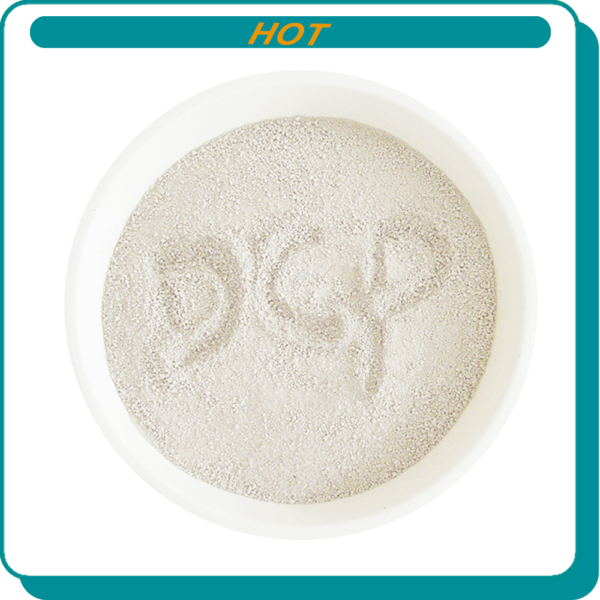
Minerals are another key part of a good premix. They are split into two groups: major minerals and trace minerals. Animals need larger amounts of major minerals, like Calcium for strong bones and teeth. They need trace minerals in very small amounts, but they are still very important. For example, Iron helps carry oxygen in the blood, and Zinc supports the immune system. A good premix will have a balanced blend of all necessary minerals. Products like Dicalcium Phosphate Feed Grade are excellent sources of both calcium and phosphorus.
Creating a premix that stays effective is a science. As an expert, my top tip is to keep certain ingredients separate. Vitamins should not be mixed directly with trace minerals or choline until the final stage. Trace minerals can cause vitamins to break down faster. Choline can absorb moisture from the air, which also harms vitamins. Using organic trace minerals can reduce vitamin loss by almost half compared to inorganic ones. Following a strict production flow chart ensures each batch is made correctly, keeping the nutrients potent from the factory to the farm.
How you store a premix is just as important as how it's made. To keep the vitamins and minerals from losing their power, store the bags in a cool, dry, and dark place. Heat, light, and moisture are enemies of vitamins. It is best to use bags with a plastic liner to keep moisture out. A vitamin-only premix can last for about 3 to 4 months. If the premix contains choline and trace minerals, you should use it within 60 days. Proper storage ensures the animals get the full nutritional benefit. This is a key part of quality control for China Feed Additives.
Vitamins and minerals work best when paired with other essential nutrients, like amino acids. Amino acids are the building blocks of protein. Animals need them for muscle growth and overall health. Two of the most important ones are Lysine and Methionine. Many feeds need extra amounts of these to be complete. Adding products like L-Lysine HCL 98.5% and DL-Methionine 99% to a feeding program ensures animals can build muscle efficiently. A good premix supports how the body uses these vital amino acids.


A vitamin and mineral premix is part of a complete diet. It needs to be mixed with good sources of protein and energy. High-quality protein ingredients help animals use the nutrients from the premix. Examples include Feed Yeast, which also provides B-vitamins and supports gut health. Another great source is Corn Gluten Meal, which is a protein-rich ingredient that animals can easily digest. Combining these ingredients creates a balanced feed that supports healthy growth and performance in livestock and poultry.

Making and selling premixes involves following rules. Different countries have different regulations. For example, the European Union has a specific list of vitamins and minerals that are allowed in food and feed. In the United States, the manufacturer is responsible for making sure their product is safe and labeled correctly. It is very important to check the rules for each country you sell to. This ensures the product is legal and safe for animals. A reliable supplier will always provide a Certificate of Analysis (COA) to prove the product meets quality standards.
The market for vitamin and mineral premixes is growing fast. People are more aware of the importance of good nutrition, both for themselves and for animals. This drives demand for fortified foods and high-quality animal feed. The global market was valued at over $8.5 billion in 2023 and is expected to keep growing. This growth is because farmers and feed producers want to improve animal health and productivity. By using premixes, they can prevent nutrient deficiencies and raise healthier animals. You can read more about industry trends on our Pangoo blog.
| Year | Market Size (USD Billion) | Growth Rate (CAGR) |
|---|---|---|
| 2022 | 7.2 | 6.4% (2022-2027) |
| 2023 | 8.5 | 4.6% (2023-2032) |
| 2025 | 9-10 (Estimated) | - |
1. What is a vitamin and mineral premix?
A vitamin and mineral premix is a balanced mixture of essential nutrients. It is added to animal feed to ensure animals get all the vitamins and minerals they need for healthy growth and development.
2. Why can't I just mix vitamins and minerals myself?
Mixing them correctly is difficult. Some vitamins can be destroyed by minerals if not mixed properly. Premix manufacturers use special techniques and equipment to ensure the nutrients are stable, evenly mixed, and effective.
3. How long do premixes last?
A premix with only vitamins can last 3-4 months. If it also contains choline or trace minerals, it should be used within 60 days. Always store it in a cool, dry, and dark place.
4. Are these premixes safe for all animals?
Premixes are designed for specific animals, like poultry, swine, or cattle. Each animal has different nutritional needs. It is important to use a premix that is formulated for the correct species.
5. What is the most important vitamin in a premix?
All vitamins are important, but Vitamin A is often watched closely. It is very sensitive to heat and light, so its level can be a good sign of the overall quality and stability of the premix.