| Aspecto | Perspectiva |
|---|---|
| Función Primaria | El cloruro de colina es un nutriente vital en la alimentación animal, crucial para la función hepática, el metabolismo de las grasas y la construcción de las membranas celulares. |
| Beneficios para Aves de Corral | En aves de corral, mejora el crecimiento, aumenta la producción y la calidad de los huevos y ayuda a prevenir afecciones como el síndrome del hígado graso y la perosis. |
| Beneficios para Cerdos y Ganado Vacuno | Mejora las tasas de crecimiento y la eficiencia alimenticia en cerdos y favorece la producción de leche y la salud hepática en el ganado. |
| Crecimiento del Mercado | El mercado global de cloruro de colina está creciendo, impulsado por el aumento del consumo de carne y un mayor enfoque en la nutrición animal. |
| Desafíos de la Forma Sintética | La forma sintética común puede absorber la humedad, degradar las vitaminas en las premezclas y provocar un exceso de cloruro en las dietas. |
| Alternativas Naturales | Los productos de colina herbales y de origen vegetal están ganando popularidad, ya que ofrecen una alta biodisponibilidad sin los inconvenientes de las versiones sintéticas. |
| Importancia del Proveedor | Elegir un proveedor confiable es clave para garantizar la calidad, la seguridad y la consistencia del producto a través de la documentación adecuada, como un Certificado de Análisis (COA). |
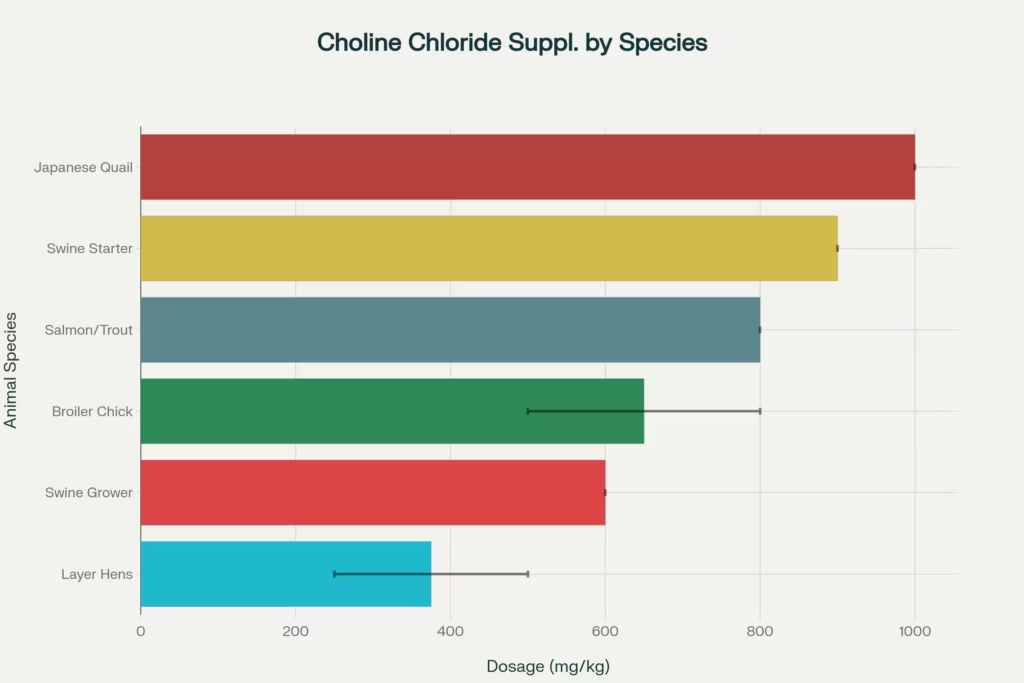
Choline chloride is an important nutrient for animals. It is often added to their food as a supplement. This compound provides choline, which helps animals stay healthy. Choline is needed for the body's cells to work correctly. It also supports the liver, muscles, and brain. Young animals especially need choline for their nervous systems to develop properly. While some foods like egg yolks and liver contain choline naturally, manufactured supplements ensure that livestock receive a consistent and adequate amount. You can learn more through this A Comprehensive Guide to Choline Chloride Uses in Animals. For a full overview, see the Choline Chloride for Animal Feed Guide.
Choline chloride offers many advantages for farm animals. It helps animals grow by improving how they use nutrients from their feed. A key role of choline is to help with fat metabolism. It prevents too much fat from building up in the liver, a condition known as fatty liver disease. This keeps the liver healthy and working well. Choline also helps build and maintain the structure of cells. It is a building block for acetylcholine, a substance that helps muscles and nerves function correctly. You can explore more Choline Chloride Benefits and get a broader view by Understanding Animal Nutrition Supplements.
Choline chloride is very important for poultry. It supports healthy growth and improves productivity in chickens, turkeys, and ducks. For egg-laying hens, choline helps produce better quality eggs with stronger shells. It is a key part of the egg yolk. In broiler chickens raised for meat, it helps them grow faster and use their feed more efficiently. A lack of choline can cause serious health problems in birds, such as stunted growth and perosis, a leg deformity. Adding choline chloride to their diet ensures they get this essential nutrient. For more details, see The Ultimate Guide to Choline Chloride Uses in Poultry and learn about the Essential Nutrients for Chicken Feed. A complete list of Chicken Feed Ingredients, Nutrients, Supplements, and Recipes is also available.
Different types of poultry have unique nutritional needs. For example, the diet for a young bird is different from that of an adult. A Chick Starter Profile is designed for very young chickens. As they grow, their needs change, as shown in the Broiler Grower Matrix. Hens that lay eggs have specific needs to support egg production, outlined in the Layer Hen Standards. Other birds, like turkeys, also have their own dietary plans. You can find information on Turkey Nutrition Specs. Even Duck & Goose Requirements are tailored to their specific growth and health needs.

Los aminoácidos son los bloques de construcción de las proteínas y trabajan junto con nutrientes como la colina. Una dieta equilibrada incluye la mezcla correcta de estos componentes. Proporcionar los Aditivos Alimentarios de Aminoácidos para Aves de Corral correctos es crucial para su salud. Se formulan diferentes Perfiles de Aminoácidos para Aves de Corral para varias etapas de crecimiento. Estos Aditivos Alimentarios de Aminoácidos son vitales para el desarrollo muscular y el bienestar general. Comprender los Aminoácidos Esenciales para la Nutrición Animal ayuda a crear un alimento completo y eficaz.

Varios aminoácidos específicos son muy importantes en la alimentación avícola. La Guía de Nutrición Avícola con Lisina explica cómo este aminoácido apoya el crecimiento. La Guía de Rendimiento de Pollos de Engorde con Metionina muestra su papel en la producción de carne. Además, aprender sobre la Treonina para la Salud Intestinal en Pollos de Engorde destaca su importancia para la digestión. Otro componente clave, el Triptófano para la Reducción del Estrés en Aves de Corral, puede ayudar a mantener a los rebaños tranquilos y saludables. La combinación de estos aminoácidos con cloruro de colina crea una poderosa estrategia nutricional.

Choline chloride is not just for poultry. It is also a valuable supplement for other livestock. The guide on Feed Additives for Swine details its benefits for pigs, where it improves feed conversion and promotes weight gain. Just like poultry, pigs have specific Amino Acid Requirements for Swine. For cattle, choline chloride helps increase milk production and maintains liver function. You can find more information in the guide to Feed Additives in Cattle. Proper nutrition, such as following Optimal Yeast Feeding Strategies for Dairy Cows, contributes to overall herd health.
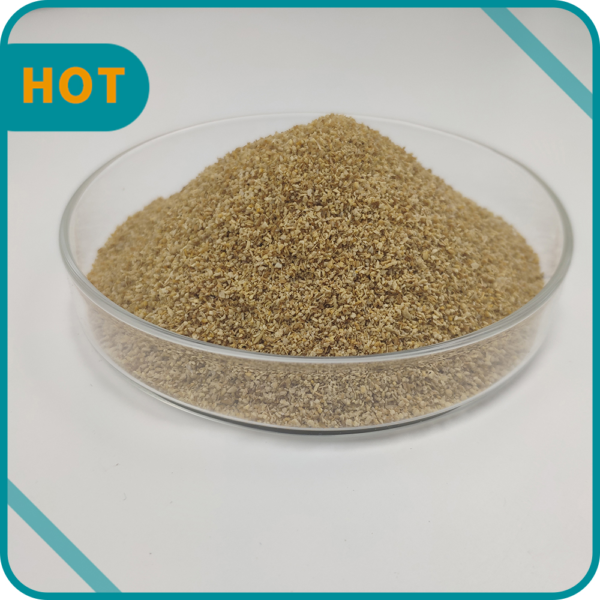
Choline chloride is available in different forms and concentrations. A common type is carried on a corn cob base, which is detailed in An Exploration of Choline Chloride Corn Cob. The most frequently used concentration is Choline Chloride 60%, but 50% and 70% grades are also available. The Choline Chloride Manufacturing Process ensures a stable and effective product. For specific needs, a Blending Custom Premix Formulas Guide can help create tailored nutritional solutions for different animals.
Synthetic choline chloride has some drawbacks. It can absorb moisture from the air, which makes it clump and hard to handle. It can also cause vitamins in the feed to break down more quickly. This has led to growing interest in Natural Feed Additives. Plant-based products, sometimes called polyherbal solutions, offer choline in a more natural form. These alternatives, such as those derived from herbs, are often more stable and easily absorbed by the animal. Products like Allicin / Garlicin represent this shift toward natural solutions. A sustainable option is detailed in Yeast for Animal Feed: A Sustainable Alternative.
Yeast is a powerful natural feed additive. An Introduction to Brewer's Yeast for Animal Feed shows its many benefits. It is a rich source of B vitamins and proteins. The Feed Yeast Manufacturers Guide explains how high-quality yeast is produced. There are many reasons to use it, as outlined in the Top 5 Benefits of Using Animal Feed Yeast. For poultry specifically, an Introduction to Brewer's Yeast for Chickens provides targeted information.

A healthy digestive system is essential for nutrient absorption. The Organic Acids in Poultry Feed Guide explains how these compounds support gut health. Sometimes, these acids are protected to ensure they reach the intestines, as described in the Encapsulated Organic Acids Guide. For instance, Citric Acid for Digestive Efficiency can improve how well poultry digest their food. Another option is L-Malic Acid, which also contributes to a healthy gut environment.
Protein is fundamental for animal growth and development. The Feed Protein Category offers a variety of options. Corn Gluten Meal for Livestock is a common plant-based protein source. Another popular choice is Soybean Meal. For animal-based proteins, Fish Meal provides high-quality nutrients. Meat and Bone Meal is another concentrated source of protein and minerals.
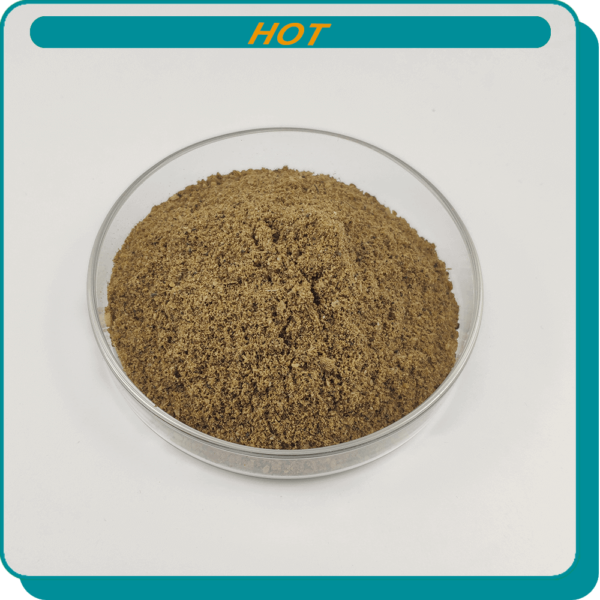
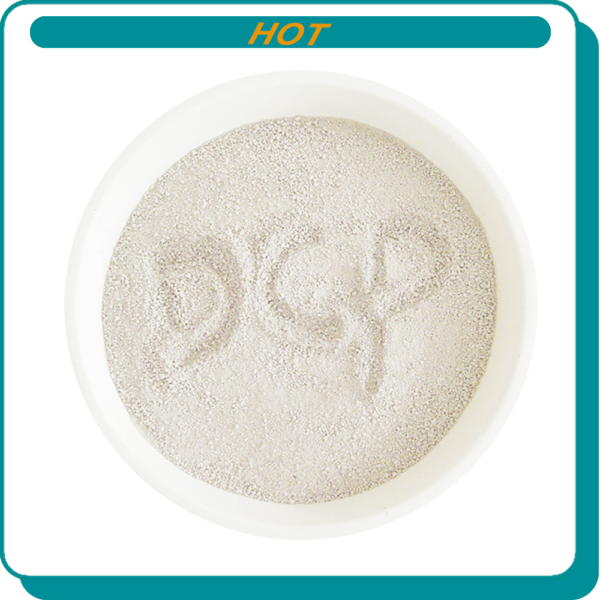
A balanced diet requires more than just protein and choline. The Vitamins Category and Minerals Category are essential for overall health. The Poultry Minerals & Vitamins Guide details the specific needs of birds. Minerals like calcium and phosphorus are vital for strong bones. Understanding Dicalcium Phosphate explains the role of this important mineral supplement.
Selecting the right partner is critical for your business. The guide on Choosing the Best Choline Chloride Supplier provides key criteria. For those buying in bulk, The Ultimate Choline Chloride Wholesale Guide is a valuable resource. Many suppliers are based overseas, so it is helpful to know How to Choose a Supplier in China. A good supplier provides consistent quality and reliable service.
The feed additive market is a global industry. A China Feed Additives overview can provide context on one of the largest markets. Understanding the Top Export Destinations for Chinese Feed Additives shows where products are in high demand. Regional markets also have unique characteristics, such as the Philippines Feed Market Overview. For international trade, Working with Sourcing Agents in China can simplify the process.
Quality control is non-negotiable in animal feed. Always request a Certificate of Analysis (COA) to verify product specifications. A Material Safety Data Sheet (MSDS) provides important handling and safety information. Understanding the supplier's Production Flow Chart gives insight into their manufacturing standards. Proper storage is also key, and an Amino Acid Storage and Shelf Life Guide helps maintain product integrity.
¿Qué es el cloruro de colina? El cloruro de colina es un nutriente, a menudo llamado vitamina B4, que es una parte esencial de las dietas animales. Es una sal de amonio cuaternario que proporciona una fuente de colina.
¿Por qué se añade cloruro de colina al alimento para animales? Se añade para apoyar la salud general, particularmente la función hepática y el metabolismo de las grasas. También ayuda en el control muscular, la estructura celular y el desarrollo del cerebro, y mejora las tasas de crecimiento y la producción de huevos.
¿Existen alternativas naturales al cloruro de colina sintético? Sí, existen alternativas naturales de origen vegetal elaboradas a partir de hierbas. Estos productos polivalentes a base de hierbas suelen ser más estables, no tan propensos a absorber la humedad y pueden ser utilizados más fácilmente por el cuerpo del animal.
¿Cuánto cloruro de colina se debe utilizar para las aves de corral? La dosis depende del tipo de ave y su edad. Los pollos de engorde pueden requerir de 1200 a 2000 mg/kg de alimento, mientras que las gallinas ponedoras necesitan alrededor de 1100 mg/kg de alimento. Lo mejor es consultar con un nutricionista animal para obtener cantidades precisas.
¿Dónde puedo encontrar un proveedor fiable de cloruro de colina? Encontrar un proveedor fiable implica verificar las certificaciones de calidad, los procesos de producción consistentes y la documentación clara, como un Certificado de Análisis (COA). Pangoo es un fabricante y proveedor líder de cloruro de colina y otros aditivos para piensos.