Ключевые моменты: В чем суть кормовых дрожжей?
Ладно, давайте разберёмся по-простому. Что это за кормовые дрожжи, о которых все говорят? Ну, это не те же дрожжи, что вы используете для выпечки хлеба пан-де-саль, хотя они в чём-то и похожи. Кормовые дрожжи — это, по сути, крошечные живые организмы, их называют микроорганизмами. Один из самых распространённых — Saccharomyces cerevisiae. Заковыристое название, да? Это просто особый вид дрожжей, очень полезный для животных. Считайте, что это такой маленький помощник, который живёт в корме у животного.

Но это не один вид дрожжей. Фермеры могут использовать разные их типы:
Why bother adding this tiny stuff to feed? 'Cause it's packed with goodies! It's a source of protein, which helps animals grow big and strong. It's also got lots of important vitamins, especially B vitamins, which are key for energy and keepin' healthy. Plus, it brings essential minerals to the table. So, it's not just filler; it really bumps up the nutritional value of the feed, makin' sure the animals get what they need. It's a key part of modern animal nutrition supplements.
Итак, в дрожжах много полезного. Но что именно они делают для скота? Зачем фермеры на Филиппинах, от Лусона до Минданао, утруждают себя, добавляя их в корм? А всё потому, что дрожжи приносят животным реальную пользу, помогая им лучше жить и давать больше продукции, что хорошо и для фермера, верно? Во-первых, они улучшают пищеварение. Дрожжи помогают расщеплять трудноперевариваемые части корма, например, клетчатку. Это значит, что животное может усвоить больше питательных веществ из того же количества пищи. Хорошее пищеварение — это меньше потраченного впустую корма и лучший рост. Подумайте сами: если у вас с животом всё в порядке, то и вы чувствуете себя хорошо, так ведь? То же самое и с животными.

Then there's growth and performance. Because the animals are getting more nutrients, they tend to grow faster and put on weight better. For chickens, this might mean more eggs or getting ready for market quicker. For dairy cows, studies show certain yeast strategies can help 'em produce more milk (check out dairy cow strategies here). For pigs, it means better meat production. It's all connected, see? Healthy digestion leads to better use of food, which leads to better results.
Yeast also helps support the immune system. Some parts of the yeast cell wall, like things called beta-glucans and mannan-oligosaccharides (big words, I know, just think 'immune helpers'), can kinda wake up the animal's natural defenses. This makes them better at fighting off sickness. Less sick animals means less need for medicines sometimes, which is becoming real important everywhere. Less diarrhea, especially in young animals like piglets, is a big plus folks notice. I've seen farms where adding a good feed yeast supplement, like the ones from Pangoo, really cut down on tummy troubles. It makes a difference you can actually see. Finally, live yeast acts like a probiotic. It helps balance the good bacteria in the animal's gut. This is super important for animals like cows and carabaos (ruminants) 'cause it helps their special stomach (the rumen) work properly, digesting grass and stuff. It can even lower the risk of problems like acidosis, which happens when their stomach gets too acidic. So yeah, yeast does a whole lot more than you might think!
To understand why feed yeast is important here, you gotta know a bit 'bout farming in the Philippines. It's kinda split into two main worlds. First, you got the small-scale farmers. These are mostly folks with backyard farms, maybe a few pigs, some chickens, or a carabao for plowin' the fields. They often use local resources and more traditional ways. Like, most of the buffalo farming? That's done by these guys. They might not always use fancy feed additives.
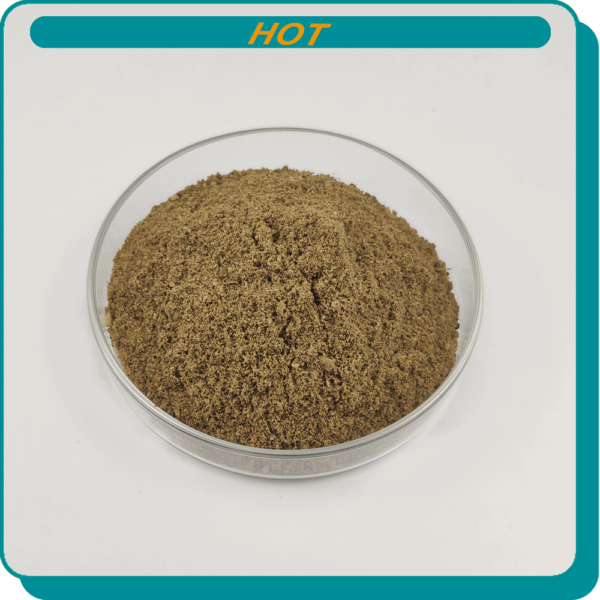
Then you got the commercial sector. These are the bigger operations, proper farms focused on raising lots of animals efficiently. Think large poultry houses full of chickens -- broilers for meat and layers for eggs -- or big piggeries. These guys are serious about production. Pork is huge here, like maybe 60-65% of the meat people eat, so the demand for pig feed is massive. Chicken is right up there too. These commercial farms often rely heavily on imported feed ingredients like soybean meal or corn gluten meal. Why imports? Well, the Philippines doesn't currently produce enough high-quality feed ingredients locally to meet the demand of these large farms. Organizations like the FAO point this out.
This reliance on imports makes feed costs a big deal for commercial farmers. Anything that can make the feed work better, get more bang for their buck, is gonna be interesting. That's where things like yeast and other feed additives come in. They need ways to improve animal performance and health without breakin' the bank. Adding specific nutrients like L-Lysine for poultry is common practice to make sure the birds get exactly what they need from that imported feed base. It's all 'bout efficiency and getting the most out of what they feed their animals. The livestock industry here is vital, providing food and jobs, so keepin' it healthy and productive is key.
So, where does yeast fit into this whole picture on Filipino farms? It's a key player in the Philippines feed additives market. This market isn't just about yeast, it includes all sorts of things added to feed -- vitamins, minerals, amino acids like L-Lysine HCl 98.5% and L-Threonine, binders, and probiotics. Experts reckon this whole market was worth around USD 399.43 million in 2024 and is set to grow to maybe USD 507.63 million by 2029. That's quite a jump, showin' how important these additives are becoming.

Хотя у нас нет точных данных о том, сколько именно дрожжей используется по сравнению, скажем, с аминокислотами, мы знаем, что они являются признанной частью этой смеси. Их применение весьма специфично и зависит от вида животного:

Companies like Pangoo supply different types of feed yeast tailored for these uses. It's about findin' the right type and amount to get the best results for each animal. It works alongside other essential additives to create a balanced, effective feed ration. The goal is always healthier animals and better farm output.
Говорить о дрожжах — это одно, но полезно видеть картину в целом. Рынок кормов для животных на Филиппинах довольно большой, и он продолжает расти. Согласно данным, в 2024 году его объём составлял около 13,52 миллиона тонн, и ожидается, что к 2034 году он вырастет примерно до 16,48 миллиона тонн. Это стабильный рост, обусловленный растущим спросом на мясо и продукты животноводства. Больше животных — значит, нужно больше корма, всё просто. И значительная часть этих кормов, особенно для коммерческих ферм, содержит добавки для улучшения их качества.
 )
)
Мы уже упоминали объём рынка кормовых добавок в денежном выражении. Давайте представим эту информацию о росте в виде простой таблицы:
Рост рынка кормовых добавок на Филиппинах
| Показатель | Значение за 2024 г. | Прогноз на 2029 г. | Темп роста (СГТР) |
|---|---|---|---|
| Объём рынка кормовых добавок | 399,43 млн долларов США | 507,63 млн долларов США | 4.91% |
Источник: По данным Mordor Intelligence.
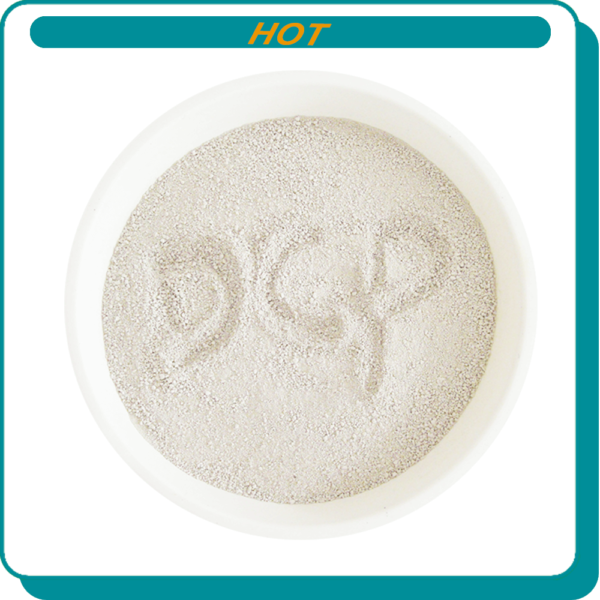
This growth shows that farmers and feed companies are increasingly investing in additives like yeast, amino acids (DL-Methionine 99% is another key one), minerals like Dicalcium Phosphate, and vitamins. There are big global players in this market, but also important local and regional suppliers like Pangoo, offering a range of products needed by Filipino farmers.
Now, the economics bit. As we said, commercial farms import a lot of feed stuff. This makes them vulnerable to global price changes and shipping costs. Using additives like yeast can actually be cost-effective. How? Because if yeast helps the animal digest food better and stay healthier, the farmer might get more meat, milk, or eggs from the same amount of feed, or even slightly less. That's feed efficiency! Improving livestock nutrition with supplements often makes good financial sense. Some reports even call yeast a lower-cost alternative to other types of supplements, delivering solid benefits for animal health and productivity. Of course, there's rules too. The Bureau of Animal Industry (BAI) keeps an eye on feed additives, makin' sure they're used properly and safely. They have regulations about imports and usage, which responsible suppliers need to follow. Checkin' a supplier's credentials, like their MSDS or COA, is always a smart move.
Конечно, не всё так гладко. Всегда есть проблемы, но также и большие возможности, когда речь заходит об использовании кормовых дрожжей на Филиппинах. Давайте сначала рассмотрим сложные моменты. Одно из главных препятствий — это нехватка действительно конкретных данных именно по использованию дрожжей в стране. Мы знаем, что их используют, мы знаем, что рынок добавок растет, но получить точные цифры о том, сколько дрожжей, каких типов и на каких фермах используется, по открытым отчетам сложно. Это несколько усложняет детальное планирование для поставщиков и, возможно, даже для исследователей. Еще один момент — это стоимость и логистика импорта. Поскольку многие кормовые ингредиенты, а потенциально и некоторые сами дрожжевые продукты, импортируются, затраты могут колебаться, а цепочки поставок иногда могут нарушаться. Это бьет по кошельку фермеров.
 )
)
Кроме того, хотя коммерческие фермы часто хорошо осведомлены, донести информацию о преимуществах добавок, таких как дрожжи, до мелких, подсобных хозяйств бывает сложно. Им может не хватать ресурсов или знаний, чтобы пробовать такие вещи. Распространение этих знаний — это постоянная работа. Помню, как-то я разговаривал с группой мелких свиноводов на Висайских островах. Они были заинтересованы в улучшении кормов, но опасались затрат и не знали ничего, кроме базовой кукурузы и рисовых отрубей. Объяснение того, как что-то вроде дрожжей может помочь предотвратить болезни и, возможно, даже сэкономить деньги в долгосрочной перспективе, потребовало времени, но было видно, как у них загорается интерес.
But hey, there's plenty of good stuff happenin' too - the opportunities! There's a growing demand for natural growth promoters. As people become more concerned about antibiotic use in animals, natural solutions like yeast, or even things like Allicin/Garlicin from garlic extract, look more attractive. Yeast fits right into this trend for more natural feed additives. There's also potential for more collaboration. Government agencies, researchers, and private companies like feed suppliers (check out Pangoo's production process) can work together to promote best practices and maybe support local research. Lastly, there's a chance to boost local research and maybe even production of yeast specifically for feed. If the Philippines could produce more of its own high-quality feed yeast, it could reduce reliance on imports and create new business opportunities within the country. That would be a big win-win.
Lookin' ahead, the future for animal feed yeast in the Philippines seems pretty bright, yeah? The livestock industry isn't slowin' down. People want more meat, eggs, and milk, so farmers need to produce more. But they also need to do it efficiently and sustainably. That's where yeast comes in strong. It offers a natural way to boost animal health and get more out of the feed, which is exactly what's needed. It's a key part of the puzzle for good feed supplements that boost nutrition.
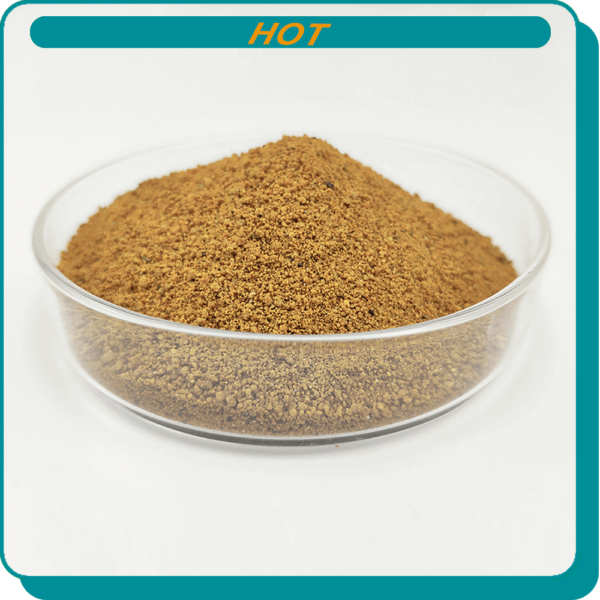
For companies workin' in this space, like Pangoo, the job now is to keep showin' farmers and feed mills the real benefits. Talk is cheap, right? So, sharing results, maybe from global studies or even better, local trials if possible, showing how yeast improves gut health, boosts immunity, and improves feed conversion -- that's what convinces people. Highlighting the top benefits of animal feed yeast clearly and simply is important. It's also about offering quality products consistently. Farmers need stuff they can rely on, feed batch after feed batch. That means choosin' a good supplier, whether they're makin' L-Lysine HCl or Feed Yeast.
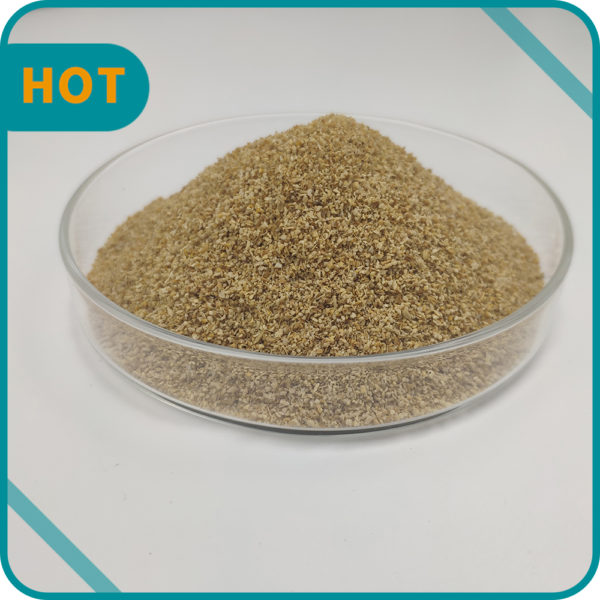
There's also a role in pushin' for more local research. Imagine findin' local yeast strains that work particularly well in the Philippine climate or with local feed ingredients like DDGS or maybe even copra meal? That could be massive. Supporting research and development could help the whole industry become more self-sufficient and efficient. It's not just about selling a product, it's about helpin' the entire farming community move forward. As the demand for sustainable and effective feed solutions grows, yeast is definitely gonna be part of the conversation for years to come. It's a simple organism doin' a complex and important job.
Итак, после всего сказанного, какой главный вывод? Кормовые дрожжи для животных — это больше, чем просто еще один ингредиент; это действительно полезный инструмент для животноводов на Филиппинах. Мы увидели, как они помогают животным лучше переваривать пищу, поддерживают здоровье их желудков, укрепляют иммунную систему и способствуют их правильному росту. Будь то куры, несущие больше яиц, свиньи, эффективно достигающие товарного веса, или коровы, дающие больше молока, — дрожжи играют свою роль. Это природный помощник в кормушке.
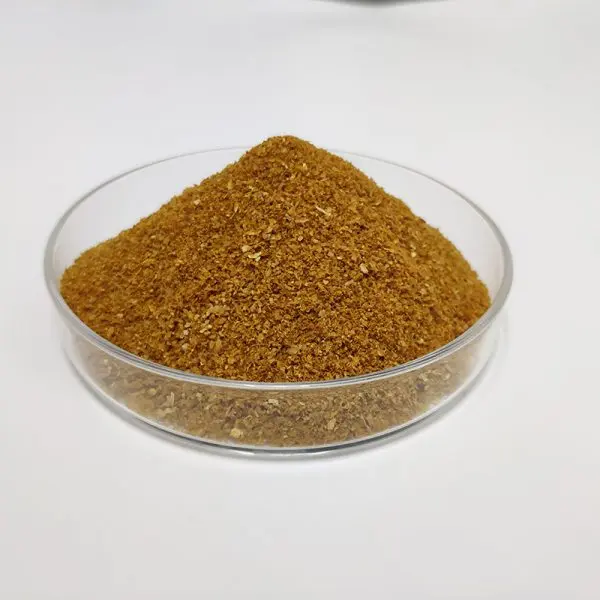
The market for these kinds of feed additives is growin' here, and yeast is right in there. With the commercial farming sector relyin' on getting the best outta their feed, especially with imported ingredients, things that boost efficiency like yeast are super valuable. It helps make farming more productive and maybe even a bit more profitable and sustainable. While there's challenges like gettin' more specific data, the overall trend is positive.
For anyone involved in livestock farming or feed production in the Philippines, lookin' into quality feed yeast products, like those offered by suppliers like Pangoo, makes a lot of sense. Check out the different feed protein options and other products available. It's about findin' the right solutions to keep the nation's livestock healthy and productive. Want to learn more 'bout specific ingredients or feed topics? Head over to the Pangoo Blog for more insights! It's a simple addition that can make a proper difference on the farm.
В1: Что именно представляют собой кормовые дрожжи?
О: Это микроорганизмы, часто вида Saccharomyces cerevisiae, которые добавляют в корм для скота. Они являются источником белка, витаминов группы B и минералов, помогают животным лучше переваривать пищу, поддерживают их иммунную систему, а также улучшают общее состояние здоровья и рост. Считайте их естественным помощником в рационе животных. Компания Pangoo предлагает такие продукты, как кормовые дрожжи (Feed Yeast) и специфические штаммы, например Saccharomyces cerevisiae.
В2: Широко ли используются дрожжи для сельскохозяйственных животных на Филиппинах?
О: Да, они безусловно используются, особенно в секторе промышленного животноводства: для птицы, свиней, а иногда и для крупного рогатого скота. Хотя у нас нет точных данных о доле рынка именно по дрожжам, они являются известной частью местного растущего рынка кормовых добавок, объем которого, по прогнозам, к 2029 году превысит 500 миллионов долларов США. Фермеры используют их для повышения продуктивности и здоровья животных.
В3: Каковы основные преимущества добавления дрожжей в корм для животных?
О: Основные преимущества:
В4: Существуют ли разные типы кормовых дрожжей?
О: Да! Основные типы — это живые дрожжи (активные микроорганизмы, полезные для здоровья кишечника), сухие дрожжи (более длительный срок хранения, простота хранения) и пивные дрожжи (питательный побочный продукт пивоварения). Выбор лучшего типа зависит от вида животного, конкретных потребностей фермера и его возможностей для хранения. Больше о пивных дрожжах для корма животных можно узнать здесь.
В5: Где на Филиппинах можно приобрести качественные кормовые дрожжи?
О: На Филиппинах кормовые добавки поставляют несколько местных и международных компаний. Pangoo — один из поставщиков, предлагающий различные виды кормовых дрожжей и другие важные кормовые ингредиенты, такие как аминокислоты (L-лизина гидрохлорид), минералы и витамины. Важно выбрать надежного поставщика, который обеспечивает стабильное качество.